Ghana AIDS Commission Raises Alarm Over HIV Infections In Bono Region
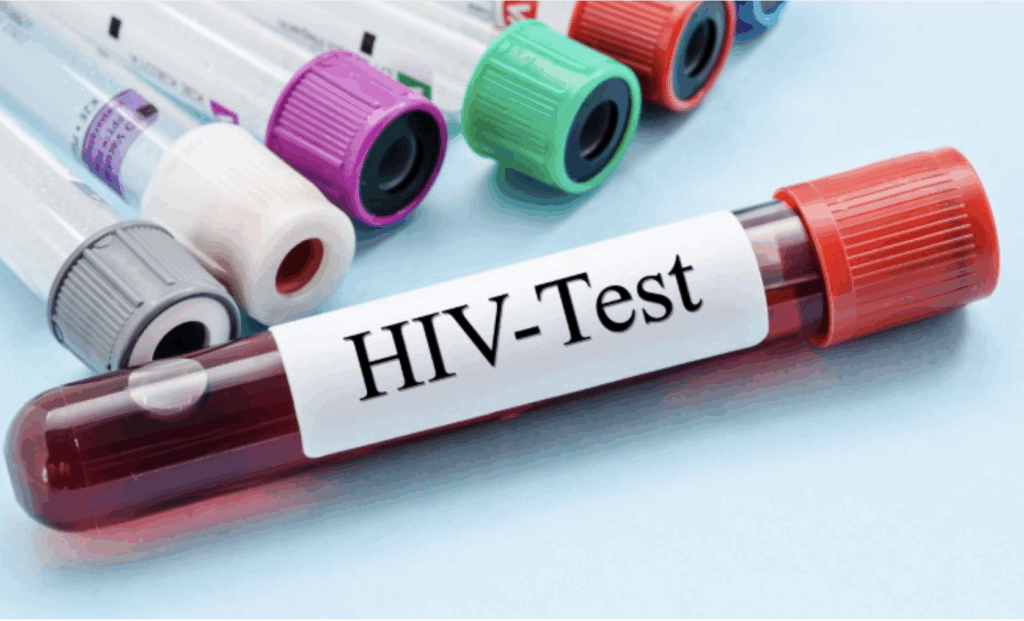
Image: GhanaFront Editorial
The Ghana AIDS Commission in the Bono, Bono East and Ahafo area has raised concern over a high HIV prevalence rate among men who have sex with men in the Bono Region, warning that focused prevention and consistent treatment remain critical to reducing new infections.
Ahmed Ibrahim Bambilla, the Commission's Regional Coordinator for Bono, Bono East and Ahafo, said current data show HIV prevalence among homosexuals in the region at 26 percent. He explained that this means 26 out of every 100 people within that group are living with HIV.
"The medication is seriously and efficaciously working, and we are using the medication as prevention," Mr Bambilla said.
Speaking to the media in Sunyani, Mr Bambilla also disclosed that HIV prevalence among commercial sex workers in the region stands at six percent. He said both groups remain at higher risk and require targeted public health support rather than neglect, misinformation or fear.
Targeted Prevention Becomes More Urgent
The Ghana AIDS Commission is currently distributing Pre-Exposure Prophylaxis, commonly known as PrEP, to vulnerable populations as part of efforts to prevent new HIV infections. PrEP is taken by people who are HIV-negative but face a higher risk of exposure to the virus.
Mr Bambilla described PrEP as a highly effective medicine that protects vulnerable people from contracting HIV when used correctly. His comments point to a broader prevention strategy that combines testing, medication, counselling and regular engagement with groups most exposed to infection.
Public health officials have long warned that HIV prevention works best when people at higher risk can access services without fear. When stigma keeps people away from testing centres, clinics or prevention programmes, infections can spread silently and treatment begins late. That is why targeted outreach remains one of the most practical tools available to health authorities.
The Bono Region figures are a reminder that HIV is still a major public health issue, even as national treatment outcomes improve. The 26 percent prevalence rate among homosexuals is especially significant because it signals a concentrated burden within a specific population. The six percent prevalence among commercial sex workers also shows the need for sustained prevention work across vulnerable communities.
- HIV prevalence among homosexuals in the Bono Region is currently 26 percent.
- Prevalence among commercial sex workers in the region stands at six percent.
- The Ghana AIDS Commission is distributing PrEP to vulnerable populations.
- Officials say consistent HIV treatment can lead to viral suppression within six months.
Treatment Consistency Key To Viral Suppression
Beyond prevention, Mr Bambilla urged people living with HIV to take their medication correctly and regularly. He said consistent treatment for six months can lead to viral suppression, a stage where the level of HIV in the body becomes so low that transmission becomes difficult.
According to him, Ghana has reached 89 percent viral suppression. This is a major indicator in HIV control because people who achieve and maintain viral suppression can live healthy lives while greatly reducing the risk of passing the virus to others.
Health experts often describe treatment as prevention because effective antiretroviral therapy protects both the individual and the wider community. When people know their status early and remain on medication, the chain of transmission weakens. This makes adherence to treatment one of the strongest weapons against HIV.
Mr Bambilla's message was clear: medication works, but it must be taken consistently. Missing doses, stopping treatment or delaying care can affect viral suppression and increase health risks. Regular medication also helps protect the immune system and prevents complications linked to untreated HIV.
The Commission's concern is not only about numbers. It is about whether vulnerable people can be reached with practical support before infections rise further. In many communities, fear of judgement still discourages people from seeking information, testing or preventive medication. Public health campaigns must therefore be direct, factual and accessible.
Public Health Response Must Focus On Access
The Ghana AIDS Commission's current approach shows the importance of meeting high-risk groups where they are. Distributing PrEP to vulnerable populations is a preventive step, but it must be matched with education, follow-up and reliable access to health services.
For commercial sex workers and men who have sex with men, targeted health interventions are not optional. They are necessary if Ghana wants to reduce new infections and improve treatment outcomes. The data from Bono Region show that general public messaging alone may not be enough for populations carrying a heavier burden of risk.
At the same time, the national viral suppression rate of 89 percent offers a strong sign that Ghana's treatment system is making progress. If more people get tested, begin treatment early and stay on medication, the country can reduce both illness and onward transmission.
Mr Bambilla's warning should push local health authorities, civil society organisations and community health workers to intensify education around PrEP, regular testing and treatment adherence. The tools exist. The challenge is ensuring that the people who need them most can get them early and use them consistently.
Ghana's HIV response will depend on a simple but demanding formula: honest data, targeted prevention, reliable medication and sustained public education. The Bono Region figures show why that work cannot slow down.
More from GhanaFront Editorial
Related Stories
More from Regional

Dutch authorities enlist Ghana in hunt for fugitive drug lord Bolle Jos
A major cocaine bust at a French port may have just changed the hunt for Europe's most wanted drug fugitive.
1d ago•2 min read