Upper East Maternal Deaths Fall But Late Referrals Still Cost Lives
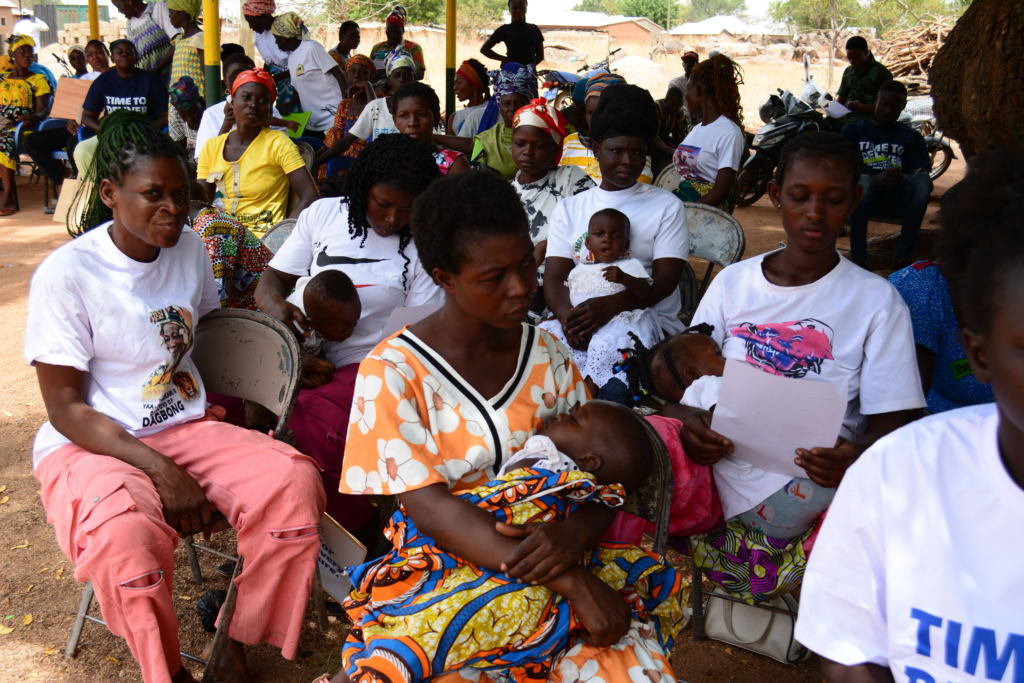
Image: GhanaFront Editorial
The Upper East Region has recorded 27 maternal deaths in the first six months of 2026, even after health authorities reported full antenatal care coverage for pregnant women across the region.
The figure, disclosed by the Upper East Regional Health Directorate of the Ghana Health Service, shows a sharp reduction from the 60 maternal deaths recorded over the same period in 2025. Yet health officials say the current numbers remain troubling because many of the deaths appear linked to delays that can be tackled through stronger community response, faster referrals, and better access to skilled emergency care.
Regional Director of Health Services, Dr Braimah Baba Abubakari, said the deaths were largely connected to late reporting at health facilities and delayed referrals from Community-based Health Planning and Services compounds to district and regional hospitals.
Upper East recorded 27 maternal deaths between January and June 2026, compared with 60 deaths during the same period in 2025, despite achieving 100 per cent antenatal care coverage.
Late reporting weakens gains from antenatal care
Dr Abubakari made the disclosure in Bolgatanga during a Joint Maternal, Neonatal, and Child Health Strategic Planning Meeting involving health professionals from the Upper East, Northern, and North-East regions.
The meeting was held under the Korea International Cooperation Agency CHPS+ Project Phase II, which is working with the Ghana Health Service and the Korean government to improve maternal and neonatal health outcomes in beneficiary regions.
According to Dr Abubakari, the region's 100 per cent antenatal care coverage is an important achievement, but antenatal visits alone cannot protect mothers when complications are reported late or when referrals are delayed. He said some women reached health facilities only after their conditions had worsened, leaving medical teams with limited time to intervene.
He noted that distance, bad roads, and delays at the household or community level contributed to some of the deaths. In other cases, women first received attention at CHPS compounds but needed quicker movement to higher-level facilities capable of handling severe complications.
The Regional Director said analysis by the Directorate showed that interventions were attempted in some cases, but the patients still died because they arrived too late. He stressed that the problem now requires stronger coordination among health workers, families, caregivers, and community leaders.
For a region with difficult terrain and communities located far from referral centres, the figures point to a familiar public health challenge: services may exist on paper, but survival often depends on how quickly a pregnant woman can move from danger signs to skilled emergency care.
Bawku and Builsa South among hardest-hit areas
The Directorate identified Bawku Municipality and Builsa South District as the hardest-hit areas in the first half of the year, with each recording four maternal deaths. Dr Abubakari also indicated that many of the deaths occurred in April and May, although the trend has since slowed.
Health officials at the Bolgatanga meeting used the figures to push for practical action rather than broad promises. The focus was on what can be done immediately to reduce delays, improve referral discipline, and ensure that pregnant women receive the right level of care before complications become fatal.
Key areas raised during the discussions included:
- early reporting by pregnant women when danger signs appear;
- timely referrals from CHPS compounds to district and regional hospitals;
- better coordination between health workers and community caregivers;
- stronger community education on maternal danger signs;
- improved attention to transport barriers, long distances, and poor road access.
Dr Abubakari called for stronger collaboration across the health system and within communities, saying the region must move beyond recording antenatal attendance to ensuring that women receive skilled care at the right time.
His comments underline a critical gap in maternal health delivery. Antenatal care helps identify risk, monitor pregnancy, and connect women to health services. But when labour complications arise, the speed of response becomes decisive. A woman who attends antenatal visits can still be lost if referral pathways fail or if the family delays the decision to seek care.
KOICA calls for practical action points
KOICA Project Manager, Myeongseon Kim, also addressed the meeting and urged health professionals to take a more proactive approach to maternal mortality and other complications affecting women and children.
She said the KOICA CHPS+ Project Phase II was designed to improve maternal and neonatal health in the Upper East and North East regions through collaboration with the Ghana Health Service and the Korean government. However, she expressed concern that maternal and neonatal deaths remain a challenge despite the interventions being implemented.
"We really want to know practical action points. We want to discuss key reasons that led to these maternal deaths so we can know how to solve the problem during and beyond the implementation of the project," Myeongseon Kim said.
Kim said the continued deaths were not the outcome expected from the project, adding that health professionals needed to examine the root causes carefully and agree on measures that can work during the project period and after it ends.
The Joint Maternal, Neonatal, and Child Health Strategic Planning Meeting brought together professionals from three northern regions to shape coordinated interventions. The discussions are expected to influence how health teams address maternal, neonatal, and child health challenges across beneficiary areas.
For Upper East, the message from the Directorate is clear: the region has made progress by reaching pregnant women through antenatal services, but the next battle is reducing preventable deaths through speed, referral quality, and community trust in the health system.
The drop from 60 deaths to 27 suggests that interventions may be having an effect, but it is not enough for a system that still loses mothers during childbirth. Health officials now face the harder task of turning coverage into survival, especially in districts where geography, road conditions, and referral delays continue to put pregnant women at risk.
More from GhanaFront Editorial
Related Stories
More from Regional
Tamale Child Deaths: Vehicle owner arrested as IGP deploys homicide team
Three children missing after Islamic classes - a vehicle owner now in custody. What did investigators find?
2d ago•2 min read