Poor Sanitation Drives Accra Floods and Disease Outbreaks, Warns Health Expert
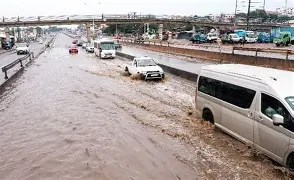
Image: GhanaFront Editorial
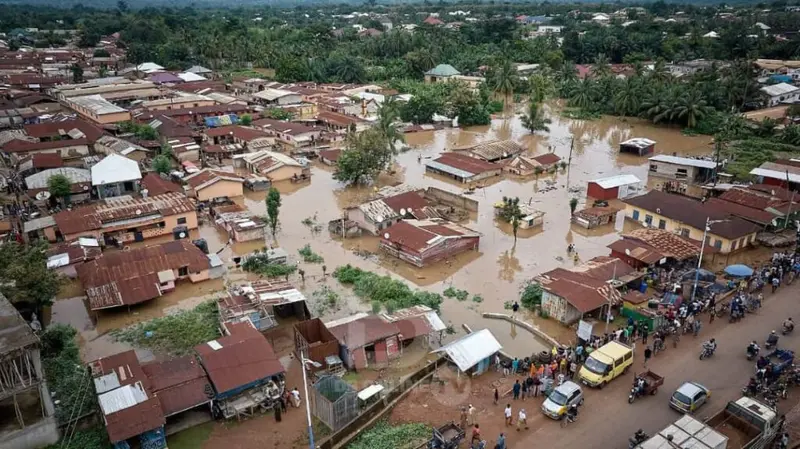
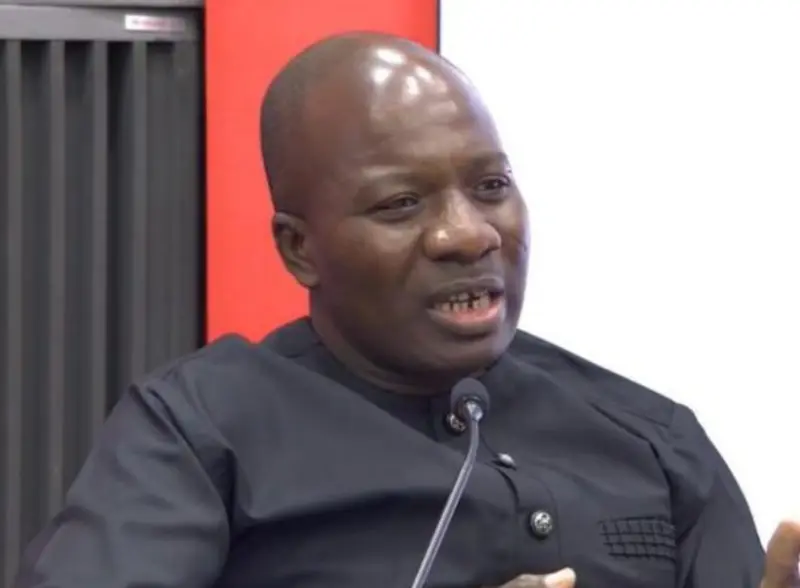
The perennial devastation caused by floods in Accra and other major Ghanaian cities is not solely an engineering failure, but a profound crisis of human behaviour. Douglas Tagoe, a retired Public Health Analyst, has issued a stark national warning that indiscriminate waste disposal remains the primary driver of the country's flood-related tragedies and the subsequent outbreaks of deadly diseases.
As the rainy season once again exposes the vulnerabilities of urban infrastructure across the Greater Accra Region and beyond, the grim reality is that choked gutters and obstructed waterways are largely self-inflicted wounds. Plastic bags, discarded single-use bottles, and styrofoam food takeaway containers consistently find their way into the nation's drainage systems. According to Tagoe, while the continuous investment in modern drainage architecture and flood control projects by the central government is absolutely necessary, such capital-intensive efforts are rendered completely useless without strict public cooperation and a radical shift in environmental attitudes.
"Every year we witness the same tragedy. Floodwaters carry away lives, destroy property and disrupt livelihoods, yet we continue to repeat the same mistakes," Tagoe lamented during a recent interview with the Ghana News Agency. He stressed that the narrative must shift from merely blaming the rains to acknowledging the severe impact of reckless waste disposal.
<h2>The Hidden Crisis Beyond the Floodwaters</h2>
While the immediate physical destruction caused by rushing stormwaters is highly visible -- sweeping away vehicles, destroying homes, and paralyzing commercial activities -- public health experts argue that the most severe threats emerge only after the rains have stopped. Stagnant pools of water left in the wake of heavy downpours across highly populated residential areas serve as massive breeding grounds for mosquitoes and microscopic disease-causing organisms.
Tagoe was emphatic about this secondary disaster that quietly follows urban flooding. The dangerous mixing of raw human waste, uncollected household refuse, and stagnant floodwaters creates a highly toxic environment. This potent mixture directly triggers severe public health emergencies, drastically increasing the transmission rates of malaria, cholera, typhoid, and various severe diarrhoeal diseases.
"Floods do not end when the rain stops," Tagoe warned the public. "The real danger begins afterwards, when contaminated water, human waste and refuse create the perfect environment for disease outbreaks."
Cholera, in particular, poses a terrifying threat in the densely populated, lower-income areas of Accra and other rapidly expanding urban centres. The bacterial infection can spread at an alarming pace in communities with compromised sanitation infrastructure and limited access to treated drinking water. The historical context of cholera outbreaks in Ghana shows that post-flood periods are highly vulnerable windows. Health authorities consistently advise that any individual experiencing persistent vomiting, severe headache, signs of rapid dehydration, or uncontrollable diarrhoea following exposure to floodwaters must seek immediate clinical intervention at the nearest health facility to prevent fatalities. Delayed treatment in such cases often proves disastrous.
<h2>Enforcing By-Laws and Demanding Institutional Accountability</h2>
The fight against poor sanitation and its deadly consequences cannot be won through soft public appeals alone. Tagoe has directed a significant portion of the blame toward local government authorities, specifically targeting the Metropolitan, Municipal and District Assemblies (MMDAs). The retired health analyst is vigorously advocating for a decisive shift from passive observation to the aggressive, uncompromising enforcement of existing environmental sanitation by-laws.
He called on all MMDAs across the country to urgently prioritise the following critical interventions:
<ul> <li>Conducting regular, comprehensive, and scientifically guided desilting of major storm drains well before the peak of the rainy season, rather than relying on reactive measures.</li> <li>Taking bold political action to demolish illegal structures, commercial kiosks, and unauthorized residential buildings erected directly on natural waterways and critical drainage paths.</li> <li>Applying significantly tougher judicial sanctions, including hefty fines and community service, against individuals and corporate entities engaged in indiscriminate littering and illegal refuse dumping.</li> <li>Holding appointed public officials and sanitation contractors strictly accountable in instances where administrative negligence directly contributes to flooding and preventable disease outbreaks.</li> </ul>
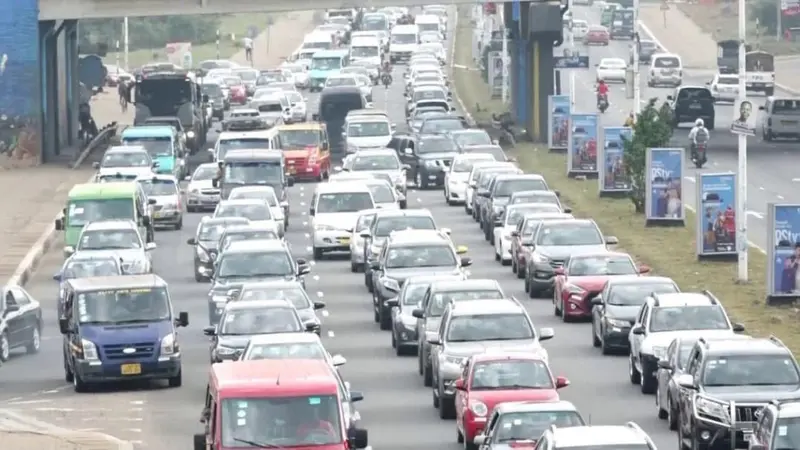
Furthermore, the commercial transportation sector plays a notoriously visible role in urban littering. Commercial passenger vehicles, universally referred to as 'trotros', are frequently the source of plastic waste thrown directly onto streets and into open gutters by careless passengers. Tagoe strongly urged all transport operators, driver unions, and vehicle owners to mandate the provision of standard waste bins within their vehicles. By doing so, transport operators can effectively strip passengers of any convenient excuse to hurl refuse onto the roads during their daily commutes.
<h2>Community Action, Preventative Healthcare, and Economic Impact</h2>
Beyond the immediate loss of life, the economic burden of these preventable diseases places a massive strain on Ghana's healthcare system and the National Health Insurance Scheme (NHIS). Every cedi spent treating a preventable case of cholera or malaria is a resource diverted from other critical healthcare needs. Therefore, the burden of preventing sanitation-related diseases falls heavily on proactive community leadership and individual household discipline.
To properly safeguard against waterborne infections during the rainy season, families are strongly advised to boil their drinking water routinely or correctly utilize approved household water purification products before consumption. Safe water handling practices and rigorous handwashing with soap under clean running water remain the most reliable, cost-effective defences against devastating outbreaks of cholera and typhoid.
Tagoe appealed directly to institutions deeply embedded within the fabric of Ghanaian communities -- including primary and secondary schools, churches, mosques, bustling transport terminals, and local community organizations -- to actively incorporate aggressive public health education into their daily routines and sermons. Cultivating a culture of strict environmental stewardship from a young age is absolutely essential for breaking this generational cycle of filth, seasonal flooding, and disease.
"The responsibility belongs to all of us," Tagoe concluded with a powerful call to action. "Floods are not caused by rain alone. They are worsened by the choices we make every day. Keeping our surroundings clean protects our health, our families and our future."
The message from the public health sector is unequivocal: Ghana cannot engineer or build its way out of the current urban flooding crisis without first addressing and rectifying the deeply ingrained societal habits of improper waste disposal. Protecting the local environment and keeping community drains clear of refuse is no longer just an aesthetic concern for city planners; it is fundamentally a matter of basic human survival and vital national public health security.
More from GhanaFront Editorial
Related Stories
More from Health

Sarkodie commends Mahama for rejecting US health compact
Why did Ghana's president turn down a major US health deal, and what does it mean for the nation's sovereignty?
1d ago•2 min read