Government Tackles Ashanti Region Maternal Care Deficits at KATH and Kumasi South
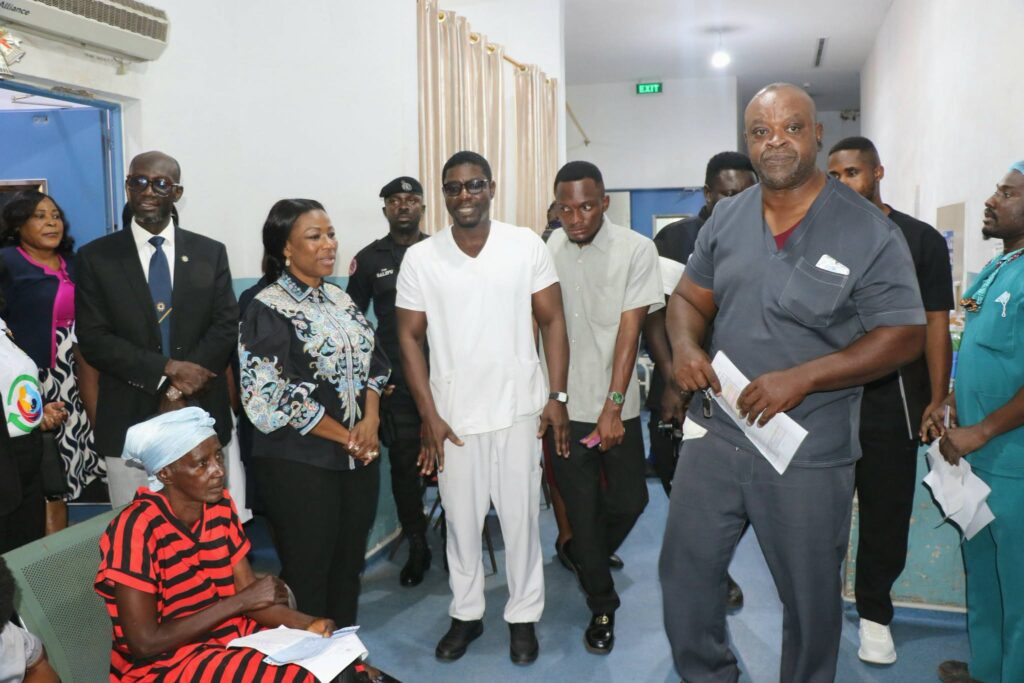
Image: GhanaFront Editorial
Addressing the Critical Maternal Healthcare Deficit in the Ashanti Region
The state of maternal healthcare in the Ashanti Region has been brought sharply into focus as the national government initiates direct, high-level interventions aimed at confronting systemic delivery challenges. In a significant move to tackle the root causes of preventable maternal and newborn deaths, the Deputy Minister for Health, Professor Dr. Grace Ayensu-Danquah, has launched a comprehensive assessment of the region's primary medical facilities. Her crucial tour began with extensive engagements at two of the most critical healthcare hubs in the area: the renowned Komfo Anokye Teaching Hospital (KATH) and the Kumasi South Hospital.
This high-stakes visit forms the cornerstone of the Deputy Minister's initial activities in the region, reflecting a renewed and urgent governmental priority on maternal wellbeing and child survival. The primary objective is not merely administrative oversight but a deep, unvarnished look at the operational hurdles that consistently compromise the delivery of quality care to mothers and their newborns. By meeting directly with hospital management boards and frontline healthcare workers, the Ministry aims to gather unfiltered insights that will drive actionable policy changes and immediate resource allocation.
Confronting Operational Bottlenecks in Emergency Obstetric Care
During the closed-door discussions and open forums at both KATH and the Kumasi South Hospital, the dialogue quickly moved past standard bureaucratic formalities to address the life-and-death realities of maternal care on the ground. The core of the conversations centered on the glaring systemic vulnerabilities that health professionals are forced to navigate daily.
Among the primary concerns raised by medical staff were the severe limitations in emergency obstetric care. When complications arise during pregnancy or childbirth, the speed and quality of emergency interventions are the deciding factors between life and death. The regional engagements highlighted that current patient referral systems -- the vital networks through which women in critical condition are transferred from smaller peripheral clinics to major hospitals -- are often fragmented and highly inefficient. This logistical breakdown frequently leads to dangerous delays in receiving specialized treatment.
Furthermore, the intensive discussions underscored the chronic infrastructure deficits and severe staffing shortages that plague the public health system. Frontline workers detailed how the lack of adequate modern medical equipment, combined with overwhelming patient-to-staff ratios, severely impedes their ability to provide the meticulous, continuous care required for high-risk maternal cases.
The infrastructure crisis: the urgent push for Sewua and Afari hospitals
A dominant and recurring theme throughout the Deputy Minister's engagements was the unsustainable pressure currently placed on the Komfo Anokye Teaching Hospital. As the primary referral center not just for the Ashanti Region, but for the entire middle and northern belts of Ghana, KATH absorbs a vastly disproportionate number of complex obstetric and neonatal emergencies. This heavy reliance has stretched the facility's physical and human resources to the absolute breaking point, frequently resulting in overcrowded wards and thoroughly exhausted medical personnel.
In direct response to this ongoing infrastructure crisis, healthcare professionals at both facilities issued a unified and urgent appeal to the national government. They strongly petitioned the Ministry of Health to expedite the completion and full operationalization of the long-delayed regional hospital projects located at Sewua and Afari.
"The immediate completion of the Sewua and Afari medical facilities is no longer just a long-term infrastructure goal; it is a critical, immediate medical necessity. These hospitals are desperately needed to decentralize care, relieve the massive daily congestion at KATH, and ensure that mothers across the region have equitable access to life-saving interventions," noted healthcare advocates and frontline workers during the consultative sessions.
The rapid operationalization of these two strategic hospitals is widely viewed by medical experts as the most viable and sustainable solution to drastically reduce the overwhelming patient load currently crippling KATH, thereby elevating the baseline standard of care across the entire Ashanti Region.
Direct patient engagement and comprehensive ward inspections
Professor Dr. Ayensu-Danquah's intervention extended well beyond administrative boardroom discussions. Demonstrating a deeply hands-on approach to healthcare administration, the Deputy Minister conducted thorough and unannounced inspections of the critical care zones within both medical facilities. Her comprehensive facility tour included the labor and delivery wards, the bustling outpatient departments, and other specialized intensive care units dedicated specifically to maternal and child health.
Crucially, the Deputy Minister took the time to interact directly with the patients currently admitted to the maternity wards. By speaking face-to-face with expectant and new mothers, she actively sought to understand their firsthand experiences with the regional healthcare system. She listened to their personal grievances, their observations on facility conditions, and their accounts of the care they were receiving from the staff. This direct patient engagement provided the Ministry of Health with a holistic, ground-level view of the healthcare ecosystem, carefully balancing the clinical perspectives of the medical staff with the lived realities of the vulnerable patients.
Government commitments and future policy directions
Faced with the stark realities of the region's maternal healthcare challenges, Deputy Minister Ayensu-Danquah offered strong, unequivocal reassurances to the hospital authorities, the dedicated medical staff, and the anxious patients. She reiterated the national government's unwavering commitment to overhauling the maternal health system and aggressively addressing the specific operational bottlenecks identified during her extensive tour.
She emphasized that the Ministry of Health remains fully dedicated to strengthening the institutional capacity of these vital health facilities. The government's strategic roadmap, she assured stakeholders, involves not only accelerated infrastructure development but also the targeted provision of necessary modern medical equipment and the prioritized recruitment of essential healthcare personnel to ensure that all facilities can provide timely, high-quality care without fail.
A strategic roadmap for transforming maternal health
The comprehensive engagements at KATH and the Kumasi South Hospital successfully marked the conclusion of the highly productive first day of the Deputy Minister's intensive regional tour. The raw data and unfiltered insights gathered from these meetings are expected to be highly instrumental in shaping the Ministry of Health's upcoming national interventions. By clearly identifying both the critical daily challenges and the obvious opportunities for systemic improvement, the government is now better positioned to deploy targeted financial and human resources exactly where they are needed most.
The ultimate goal of these high-level governmental visits remains clear and urgent: to drastically reduce the unacceptable incidence of preventable maternal mortality and to guarantee that every mother in the Ashanti Region -- and indeed across the entire nation -- has reliable access to the safe, dignified, and high-quality healthcare she inherently deserves. The firm commitments made during this initial tour must now swiftly translate into accelerated, tangible action, particularly regarding the rapid completion of critical infrastructure projects like those at Sewua and Afari, if the region is to witness a meaningful and lasting transformation in its maternal health outcomes.
Key interventions highlighted during the tour included:
- Expediting the completion of the Sewua and Afari regional hospitals.
- Expanding maternal ward capacity at the Kumasi South Hospital.
- Enhancing emergency obstetric care protocols across all major regional health facilities.
More from GhanaFront Editorial
Related Stories
More from Health

GNFS calls for more fire hydrants at Korle-Bu Teaching Hospital
A hospital inspection reveals a critical firefighting water gap - but what does it mean for patient safety?
1d ago•2 min read