GTEC flags 62 unrecognised institutions, warns over suspect certificates
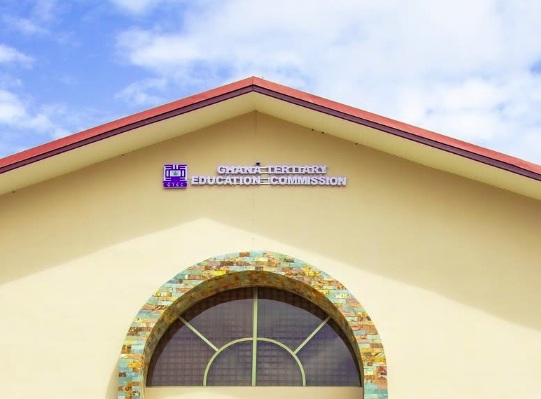
Image: GhanaFront Editorial
The Ghana Tertiary Education Commission has issued one of its sharpest warnings in recent months, naming 62 institutions it says are not recognised in Ghana and cautioning the public against trusting certificates they issue. The notice, released on Friday, April 17, 2026, puts students, parents, employers and professional bodies on alert over qualifications that may carry no legal or academic value within the country.
At the heart of the announcement is a simple message: verification is no longer optional. GTEC says the listed institutions raise quality assurance concerns, and that warning lands heavily in a country where tertiary education remains one of the main ladders for social mobility, job access and professional credibility.
GTEC's notice names 62 institutions as unrecognised in Ghana and urges the public to exercise due diligence before enrolling or accepting certificates tied to them.
Locally operating institutions come under scrutiny
The inclusion of institutions operating in Ghana makes the notice especially significant. This is not only a caution about obscure foreign schools on the internet. It is also a warning about entities that may be physically present, visible to students and actively recruiting within local communities.
Among the Ghana-based institutions named by the Commission are Debest College of Science, Arts and Business, Faith University Seminary, Doxa Open University, Electrical and Mechanical Engineering Training School, Quest International University, Kingdom Living Bible Institute in Kumasi, and Global Professional College in Effiduase.
That detail matters. When an institution has a local footprint, many students assume legitimacy. A campus, office, flyer or admissions drive can easily create the impression that all regulatory requirements have been met. GTEC's latest list directly challenges that assumption and warns prospective applicants not to confuse visibility with recognition.
For households already stretched by tuition costs, transport, accommodation and academic materials, enrolling in an unrecognised institution can be financially devastating. Years of study can end in a certificate that fails to open the doors students expected.
International names, local consequences
The Commission's notice also covers a wide range of foreign institutions, many of them carrying names designed to sound prestigious, international or specialised. The list includes Universidad Azteca Mexico, Atlantic International University in the United States, Selinus University of Sciences and Literature in Italy, Crown University International Chartered in the United States, Texila American University in Guyana, London Academy of Technology and Management in the United Kingdom, University of Haana in Germany, East Bridge University in France, Dublin Metropolitan University listed as UK/Cyprus, and Swiss Management Centre University in Switzerland.
Several religious and theological institutions also appear on the list, including Rhema Bible Training College, Christian Leadership University, New Life Bible College and Seminary, and Logos University, all linked to the United States in the notice.
The common thread is not geography. It is recognition. GTEC did not break down the specific concerns attached to each institution, but the Commission's intervention signals that these entities do not meet the standards required for recognition in Ghana, or that their academic standing raises questions serious enough to trigger a public warning.
In practical terms, a foreign certificate is not valuable simply because it comes from abroad. Employers, schools and regulators increasingly examine whether the awarding institution is properly accredited and recognised, not whether its name sounds impressive.
The institutions named span Ghana, the United States, Europe, Asia, the Caribbean and other jurisdictions, underscoring that questionable credentials are a global problem with direct local impact.
Why the warning should concern students and employers
GTEC's notice goes beyond a routine regulatory update. It speaks to the integrity of Ghana's tertiary education system and the growing risk of fraudulent or substandard qualifications circulating in the labour market.
For students, the danger is immediate. A qualification from an unrecognised institution may not be accepted for progression into further study. It may be rejected for public sector recruitment. It may also fail professional screening where licensing bodies demand properly recognised academic credentials.
For employers, the stakes are equally serious. Hiring staff based on questionable certificates can expose organisations to reputational damage, poor performance, compliance risk and internal disputes over qualification standards. In competitive sectors, weak credential checks can also undermine trust in recruitment processes.
The warning is therefore aimed at more than prospective students. It is also a signal to HR departments, admissions offices and licensing institutions to tighten verification procedures.
- Students must verify an institution before applying or paying fees.
- Parents should confirm recognition status before supporting admissions decisions.
- Employers need to validate certificates before making hiring decisions.
- Professional and academic bodies should intensify scrutiny of unfamiliar qualifications.
GTEC says the public should exercise due diligence before enrolling in any tertiary institution or accepting qualifications from unknown sources. That advice may sound routine, but in the current environment it is a survival rule.
The full list sends a broader policy signal
The publication of all 62 names is not only a warning to the public. It is also a policy statement. Ghana's regulators are making it clear that tertiary education cannot be treated as a free-for-all where branding outruns standards. The credibility of the country's higher education space depends on enforcement that is visible, public and difficult to ignore.
The institutions named in the notice cover business schools, open universities, seminaries, management institutes and general universities. Some are linked to online learning models, while others appear to rely on international branding. That variety shows how broad the challenge has become. The issue is not confined to one field or one mode of delivery.
GTEC's intervention also highlights a recurring problem in modern education markets: many institutions can market aggressively long before the average student understands how recognition works. By the time doubts emerge, the student may already have paid substantial fees or completed a programme.
That is why public notices like this one matter. They shift the burden of awareness outward and give families, employers and institutions a clear reference point. The list does not just expose institutions. It equips the public to ask harder questions before damage is done.
- Check whether the institution is recognised through GTEC's official channels.
- Do not rely only on websites, brochures or admissions claims.
- Verify the status of foreign institutions before accepting their certificates in Ghana.
- Treat urgency, flashy branding and easy admissions promises as warning signs, not proof of quality.
The Commission says the notice takes effect immediately. That means anyone considering admission, recruitment or credential acceptance involving the named institutions should not delay their checks.
Ghana's education system depends on trust, and trust depends on standards. When unrecognised institutions issue credentials that compete with legitimate qualifications, the damage spreads beyond individual students. It distorts the labour market, weakens professional confidence and punishes those who followed proper academic routes.
GTEC's latest publication is therefore more than a blacklist. It is a public defense of academic credibility. Students ignore it at their peril. Employers who skip verification do the same.
More from GhanaFront Editorial
Related Stories
More from Education

GES to distribute EduPack packages to SHS, SHTS
Will EduPack lighten students' load and solve the bedbug problem? See what GES has planned.
2d ago•2 min read


![2026 NSMQ: Jubilation, chants fill auditorium as grand finale kicks off [Video]](https://ghanafront.com/storage/images/2026/09/2026-nsmq-jubilation-chants-fill-auditorium-as-grand-finale-kicks-off-video-93a5db74-card.webp)