Ghana risks potential shortage of HIV testing kits by end of July
Ghana risks a nationwide shortage of essential HIV testing commodities, including oral and blood-based kits, by the end of July. Ernest Amoabeng Ortsin, President of the Ghana HIV and AIDS Network (GHANET), warned that the depletion of current supplies could undermine progress toward epidemic control and stall efforts to meet global HIV targets. He noted that the current consignment of HIV test kits and reagents would last only until July, after which testing services across the country could be disrupted. Ortsin explained that without urgent intervention, the shortage could delay diagnosis, restrict access to antiretroviral therapy, and increase the risk of new infections. He stated, "Shortages mean fewer people can be tested, increasing the risk of undetected HIV infections."
This development would threaten Ghana's progress towards achieving the UNAIDS 95-95-95 targets, which aim to ensure that 95% of people living with HIV are diagnosed, 95% are on treatment, and 95% achieve viral suppression. The testing commodities were provided by Global Fund from 2024-2026, with the arrangement that the government of Ghana would purchase the rest after the Global Fund had supplied theirs from the third year (2026). The delay on the part of the government could be attributed to funding gaps, procurement delays, and heavy reliance on donor support for HIV-related supplies.
Quick Summary
Ghana faces a potential nationwide shortage of HIV testing kits by the end of July, raising concerns about disruptions to early diagnosis and
Summary - read the full story for complete context.
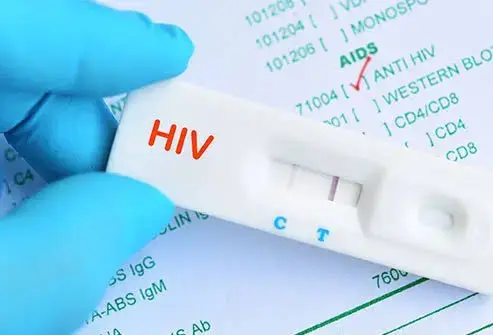
Image: Adom Online
Also covered by
GhanaFront aggregates news from trusted sources. Click to read the original article.
Keywords
Explore related tagsMore from Adom Online
Related Stories
More from Health

He entered at eight. He is now 16: Ghana's children growing up in prayer camps
Why do some Ghanaian families choose prayer camps over clinics for children with mental health issues?
5d ago•4 min read