CSIR calls for coordinated action to protect Ghana's water bodies
CSIR scientists called for coordinated, sustainable, and science-based measures to restore Ghana's polluted water bodies and safeguard water security on Tuesday at the CSIR-Water Research Institute's (WRI) Mid-Year Review 2026 in Accra. They warned that illegal mining and other human activities were threatening public health, food production, and livelihoods, with about 60 percent of the country's water bodies reported to be polluted.
The three-day event, from August 11 to 13, is on the theme: "Water-Environment-Food-Health Nexus: Building Resilience for the Future." Dr. Franklin Obiri-Nyarko, a Research Scientist at the WRI's Groundwater and Geoscience Division, presented a paper titled "Can Ghana Heal Her Waters? Towards Sustainable Remediation of Polluted Water Bodies," stating that illegal mining, or galamsey, was a major driver of water pollution. He also said agriculture, industrial activities, households, and other human activities contributed to the pollution. Contaminants detected included suspended sediments and toxic substances such as mercury, lead, cadmium, arsenic, cyanide, and manganese. Dr. Obiri-Nyarko warned that prolonged exposure to such contaminants could contribute to neurological damage, kidney and respiratory problems, developmental disorders, and cancers, particularly among vulnerable groups.
Quick Summary
Scientists at the CSIR are advocating for coordinated, sustainable, and science-based measures to restore Ghana's polluted water bodies and ensure
Summary - read the full story for complete context.
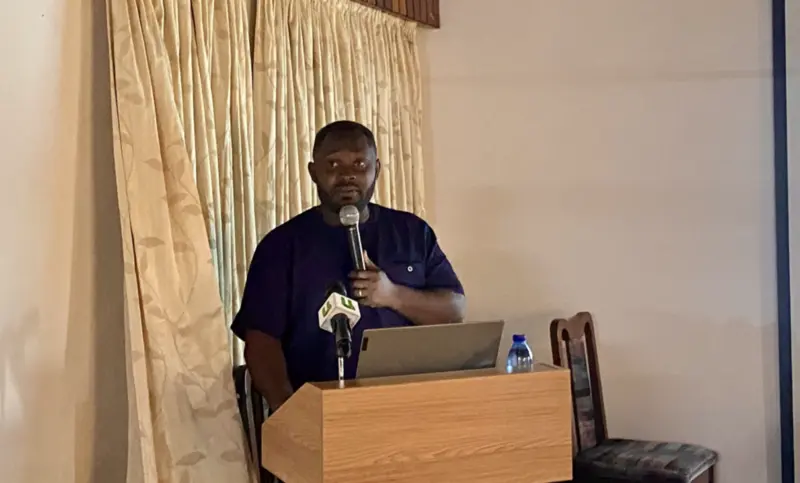
Image: MyJoyOnline
GhanaFront aggregates news from trusted sources. Click to read the original article.
Keywords
Explore related tagsMore from MyJoyOnline
Related Stories
More from Health

Kenya calls for African-led health data systems as 51 countries gather in Nairobi
Why are 51 countries gathering in Nairobi to rethink who controls Africa's health information?
11h ago•