South Africa's xenophobia is a gun pointed inward- when the scapegoats are gone, who's next?
South Africa is experiencing another surge of xenophobic violence, this time targeting Ghanaians and other West Africans- with familiar justifications. But what happens when there are no more foreigners to blame?
With xenophobia on the rise in South Africa, who will be left to blame when the 'foreigners' are gone?
South Africa is experiencing another surge of xenophobic violence, this time targeting West Africans. The author warns that misdiagnosing the root causes of South Africa's problems could lead to internal conflict- with devastating consequences.
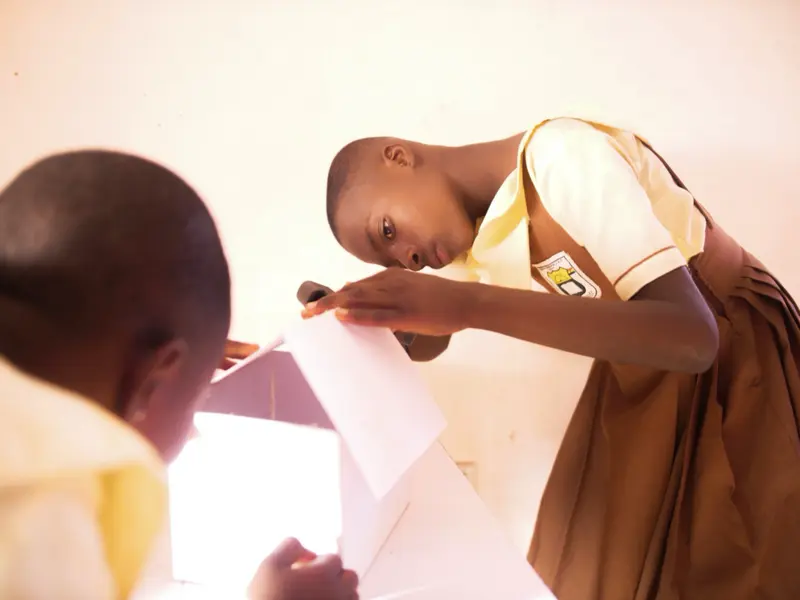
Students are building a bushfire-fighting robot - but can it protect vulnerable farming communities?
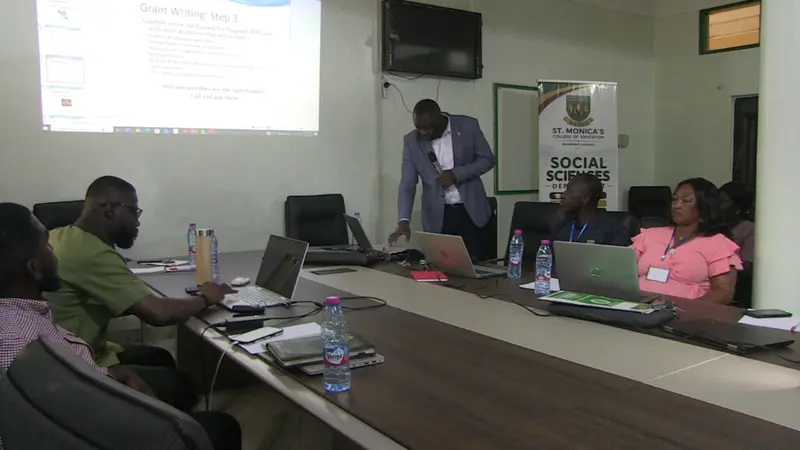
Telecel Foundation's DigiTech Academy cohort 3 nears graduation, with students across five regions showcasing robotics, coding, and digital solutions. In Jirapa, a team is finalizing a robot designed to detect and combat bushfires - hinting at the real-world impact of the program.
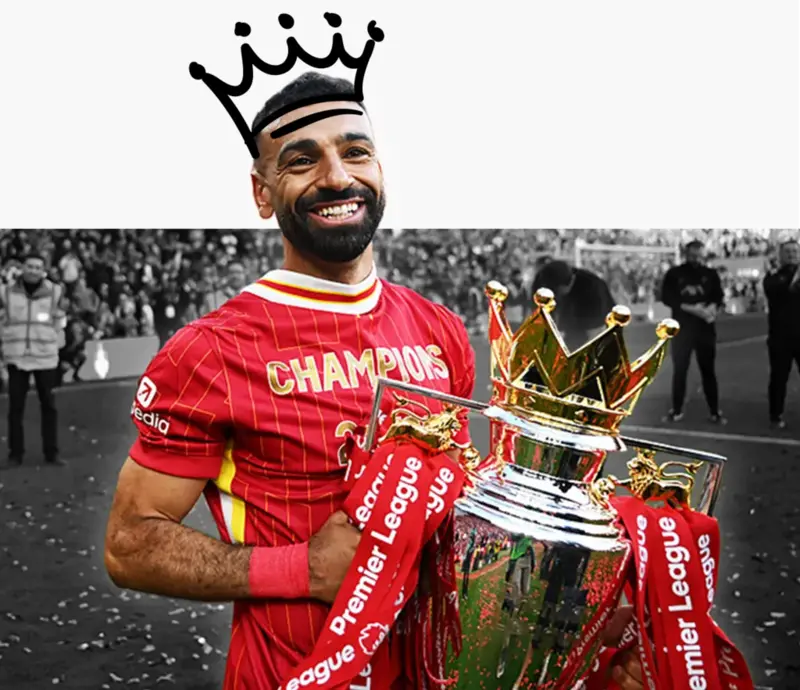
Ice baths, almond milk, meditation and a 'house like a hospital' - what fuels this footballing icon?
Mohamed Salah is leaving Liverpool at the end of the season, hailed as one of the all-time greats. His journey reflects commitment, persistence and passion - but what are the secrets to his success?
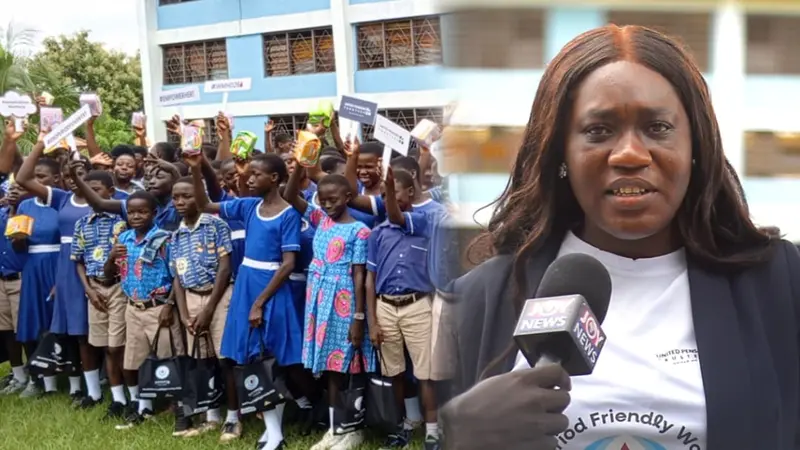
United Pension Trustees is advocating for an end to menstruation stigma- but what impact will it have?
United Pension Trustees is working to eliminate the stigma around menstruation- collaborating with Nana Awuah-Darko Ampem II to donate sanitary products and hold seminars. The initiative hopes to address menstrual poverty and equity in underserved communities- but what challenges remain?
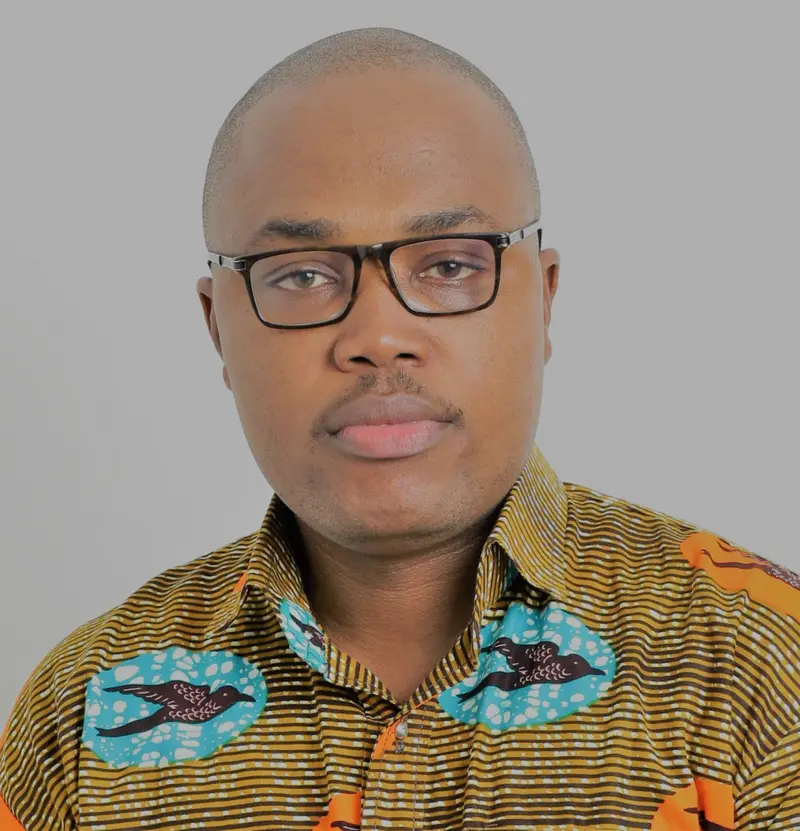
The Titao killings highlight the need to rethink security governance in West Africa - but how can it be achieved?
The killing of Ghanaian traders in Burkina Faso has sparked a blame game between the two countries. Sowatey argues that a hybrid security governance approach is key to understanding the complexities of the situation - but what does that mean?
The World Shea Expo returns to Tamale-but can it transform Ghana's shea industry?
The World Shea Expo is returning to Tamale in 2026, bringing together stakeholders in the shea industry. The event aims to boost investment and trade-but what challenges will they face?
A major field assessment mission is underway on an integrated school feeding programme - but what changes will be made?
The WFP, Ghana's government, and the US are assessing a school feeding programme impacting 60,000 pupils in Northern Ghana. The mission is evaluating the intervention's effects on education, nutrition, health, and community livelihoods - but what will they find?
The IMF warns of hidden risks in global credit markets- could the Middle East war trigger a financial crisis?
The IMF is sounding the alarm about the war in the Middle East and its potential impact on the global economy. The apparent calm in financial markets may be masking vulnerabilities- but what could happen if the war escalates?
Ghana's leaders gathered to celebrate Mfantsipim's 150th anniversary - but why does this milestone matter so much?
Vice President Opoku-Agyemang joined dignitaries to launch Mfantsipim School's 150th anniversary. The event celebrated the school's long history of shaping leaders - but the anniversary holds a deeper significance for Ghana's future.
Why does a policy analyst want South African companies operating in Ghana to pay for citizen evacuations?
Kofi Bentil is calling for South African companies in Ghana to take responsibility for the evacuation of Ghanaians in South Africa- due to afrophobic attacks. He argues that these companies should bear the cost, hinting at a significant shift in how Ghana addresses such crises.
The Vice-Chancellor of UG says calling African languages 'vernacular' is an affront to culture - but why does it matter?
University of Ghana Vice-Chancellor - Prof. Nana Aba Appiah Amfo - addressed the Ghana Academy of Arts and Sciences on the use of African languages. She argues that the term 'vernacular' is derogatory and marginalizes African ways of knowing- but what impact does this have?