Accra Floods Wash Warehouse Goods Into Streets As Residents Scramble For Items
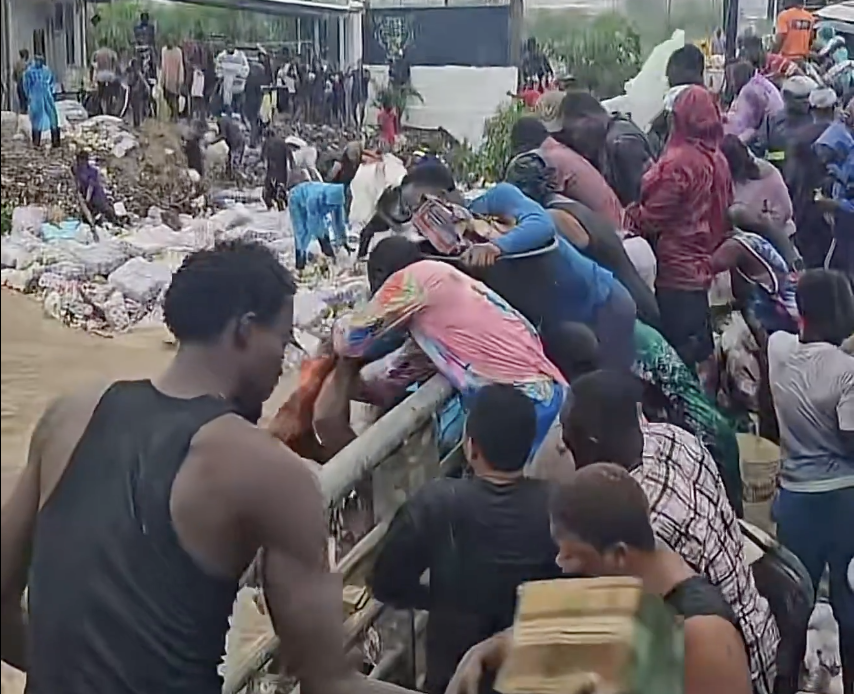
Image: GhanaFront Editorial
Unexpected "Shopping Spree" Amidst Flooding Chaos
In a bizarre and chaotic turn of events, Monday morning's torrential downpour in the capital city of Accra resulted in an unexpected scramble for commercial goods. Powerful floodwaters swept through an unidentified warehouse, carrying a wide array of valuable merchandise into open drains and onto major streets, particularly around the busy Tema Motorway enclave. What began as a natural disaster quickly morphed into a frantic scene as local residents waded through the hazardous, debris-filled water to retrieve the displaced items.
According to multiple eyewitness reports and compelling video footage circulating widely on Ghanaian social media platforms, the surging waters carried off heavy provisions, essential toiletries, filled gas cylinders, and even sensitive electrical gadgets. The sheer force of the currents distributed these goods across significant stretches of the flooded roadways. Despite the obvious dangers posed by the rushing water, submerged open drains, and hidden sharp debris, throngs of residents took the perilous opportunity to collect whatever they could salvage from this impromptu street-level distribution.
At the time of this report, municipal authorities and the police have yet to officially identify the specific warehouse or wholesale distributor from which the merchandise originated. Furthermore, the total financial value of the lost goods and the structural damage to the affected commercial facility remain unconfirmed. However, business owners operating within the industrial areas along the Motorway are undoubtedly bracing for substantial economic losses as they begin to assess the aftermath of the deluge.
Widespread Devastation and Paralysis Across The Capital
The sight of scrambled goods on the Tema Motorway represents just one localized fraction of the broader devastation caused by the severe Monday morning rains. The relentless downpour effectively paralyzed the capital city, bringing vehicular traffic to an absolute standstill and violently inundating numerous private homes and commercial properties. Thousands of commuters were left stranded for hours at lorry stations and in private vehicles, while many businesses were forced to significantly delay or entirely cancel their operations for the day.
The Tetteh Quashie Interchange, a critical arterial node in Accra's road network, emerged as one of the hardest-hit zones. Floodwaters completely submerged major sections of the underpass, trapping several passenger vehicles and forcing desperate motorists to seek alternative, heavily congested routes. The situation mirrored the perennial and deeply frustrating flooding challenges that have long plagued the city's infrastructure and urban planning.
Other major residential neighborhoods, commercial hubs, and thoroughfares severely impacted by the sweeping deluge included:
- Tse Addo and its surrounding enclaves
- Alajo, historically known for its vulnerability to the Odaw River's overflow
- Achimota and the N6 corridor
- Dzorwulu and Tesano
- Weija and Mallam, particularly the lower catchment areas
- Spintex Road, a major commercial artery
- Apenkwa and portions of the Kwame Nkrumah Interchange (Circle)
Additionally, fast-moving floodwaters breached the N1 Highway, particularly along the critical Accra-Kasoa stretch passing through Weija and Mallam. This significantly disrupted the Monday morning rush hour, leaving thousands of workers stuck in endless gridlock and raising serious concerns about road safety during extreme weather events in the Greater Accra Region.
The Persistent Challenge of Urban Flooding
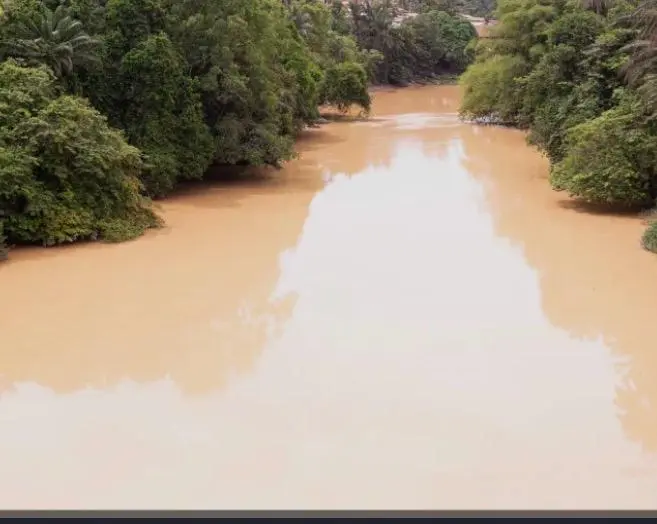
The scenes witnessed on Monday underscore a decades-old infrastructural and behavioral challenge facing the capital. Every rainy season, Accra battles with devastating floods, a phenomenon experts attribute to a complex mix of poor urban planning, inadequate drainage systems, and the unfortunate habit of citizens dumping solid waste into open gutters. When the rains fall heavily, choked drains -- particularly the primary Odaw drainage channel -- are unable to carry the volume of water into the sea, forcing it onto streets and into homes.
Local authorities have frequently engaged in pre-rainy season dredging exercises, yet the volume of plastic waste generated and improperly disposed of in the capital often neutralizes these efforts. Furthermore, the continuous construction of unauthorized structures in designated waterways and wetlands has severely compromised the natural flow of excess water. The resulting economic toll on businesses, such as the unidentified warehouse that lost its inventory to the floods on Monday, runs into millions of Ghana Cedis annually.
For the residents scrambling for goods on the Tema Motorway, the immediate focus might have been on securing free items, but public health officials are already warning about the severe health implications of wading through heavily contaminated floodwaters. Outbreaks of waterborne diseases such as cholera and typhoid are historic post-flood risks in Accra, necessitating immediate public health interventions in the affected communities.
Emergency Response, Government Directives, and Outlook
In swift response to the escalating city-wide crisis, the National Disaster Management Organisation (NADMO) activated its rapid emergency response teams, deploying trained rescue personnel across the most severely affected municipalities. The disaster management body has issued urgent, widespread warnings to all residents, particularly those inhabiting flood-prone and low-lying communities, advising them to remain on maximum alert.
"We are urging all citizens to strictly avoid flooded roads, refrain from attempting to cross fast-moving water, and immediately relocate to safer, higher grounds where necessary to preserve life," a NADMO emergency directive cautioned on Monday morning.
Recognizing the absolute severity of the situation and the severe risks associated with commuting in such perilous conditions, the Minister for the Interior took proactive measures by urging residents of Accra, where possible, to work from home on Monday. This crucial directive aimed to reduce vehicular traffic congestion, allow emergency services unhindered access to critical zones, and minimize the potential for casualties as rescue and damage assessment operations continue.
Looking ahead, the Ghana Meteorological Agency (GMet) has cautioned the public that the danger has not yet passed. Current weather models and forecasts indicate that more significant rainfall is expected over the next 24 to 48 hours. Given that the current rainy season has already inflicted significant structural and economic damage across various parts of southern Ghana in recent weeks, authorities are pleading with the public to prioritize their personal safety, secure their properties, and heed all official weather advisories until the weather systems stabilize.
More from GhanaFront Editorial
Related Stories
More from Politics

'I don't trust parliament; it'll be a waste of time' - Inusah Fuseini on cocaine seizure probe
Why would a former MP call a parliamentary probe a waste of time?
1d ago•