WFP and partners assess impact of US-funded school feeding programme
The World Food Programme (WFP), in collaboration with the Government of Ghana and the United States Government, has completed a major field assessment mission on an integrated school feeding programme that is currently benefiting about 60,000 pupils across Northern Ghana. The three-day mission covered selected schools in Tamale, Zebilla and Gambaga. The mission evaluated the impact of the intervention on education, nutrition, health and community livelihoods as the current implementation cycle approaches completion in June 2026.
The programme operates in 207 low-fee private schools. The mission was led by WFP Country Director, Ms Aurore Rusiga, and the National Coordinator of the Ghana School Feeding Programme, Hajia Fati Forgor. Ms Rusiga stressed the importance of listening to local communities as part of efforts to sustain and possibly expand the intervention, saying, "We are here to listen to you." The assessment revealed significant improvements in school enrolment, attendance and classroom participation across beneficiary schools. At Oxford Grammar Academy in Tamale, enrolment reportedly increased from 175 pupils to 445 following the introduction of the feeding programme. At Harvest Community School, proprietor David Aldra Saaka reported a noticeable reduction in diarrhoea cases among pupils since structured meals replaced reliance on unregulated street food.
Hajia Fati Forgor said findings from the mission could help shape future policy discussions on expanding school feeding support to low-fee private schools nationwide. The mission identified sustained funding, stronger multi-sector collaboration and deeper community engagement as critical requirements for the long-term success of school feeding interventions in Ghana. Ms Rusiga stated, "The goal remains clear - to expand access so that more children, particularly in vulnerable communities, are consistently fed, healthier, able to learn, and supported to stay in school."
Quick Summary
The WFP, Ghana's government, and the US are assessing a school feeding programme impacting 60,000 pupils in Northern Ghana. The mission is evaluating the intervention's effects on education, nutrition, health, and community livelihoods - but what will they find?
Summary - read the full story for complete context.
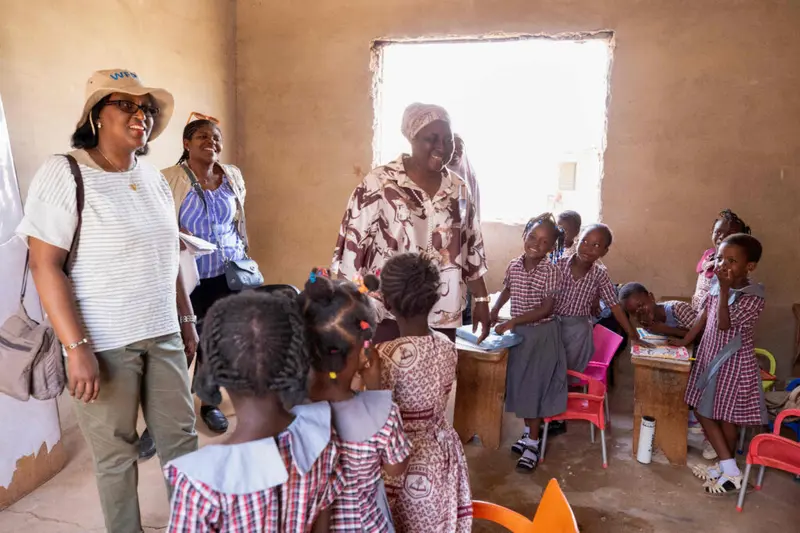
Image: MyJoyOnline
GhanaFront aggregates news from trusted sources. Click to read the original article.
Keywords
Explore related tagsMore from MyJoyOnline
Related Stories
More from Education

KAAF University vice chancellor urges fresh students to embrace technology, innovation
What did the Vice Chancellor tell 1,750 new students about their future that turns conventional advice upside down?
1d ago•