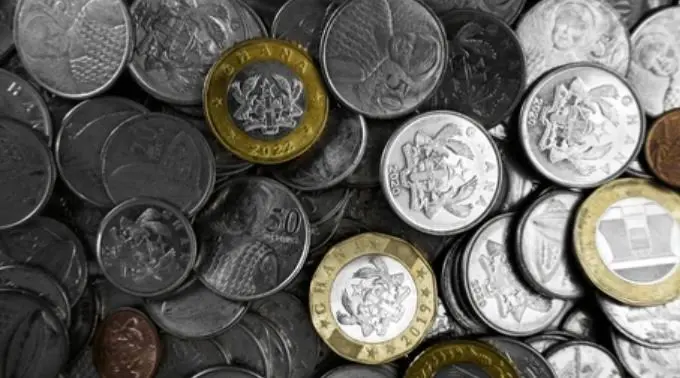
GOLDBOD's "beautiful" financials hide a troubling truth - what is the real cost of the state gold program?
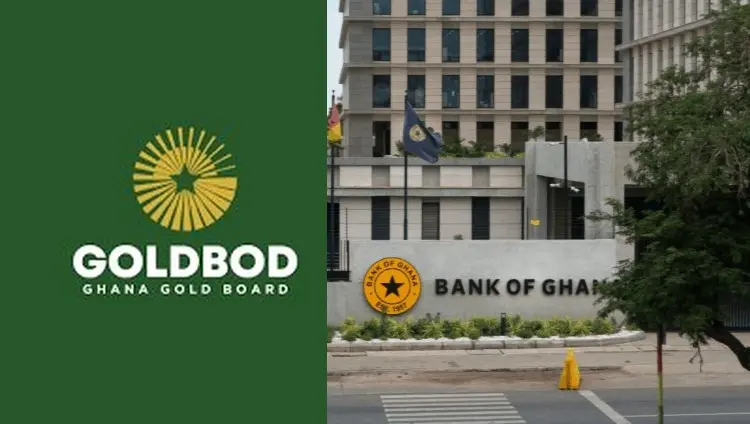
Ghana Gold Board's (GOLDBOD) 2025 financials paint a picture of success, touting significant gold assays and a healthy surplus. Examining these figures alongside the Bank of Ghana's results, however, reveals a stark contrast - raising questions about the true cost of GOLDBOD's operations.
UMB is experiencing a transformation under Dr. Oti-Mensah's leadership-but what's driving this resurgence?
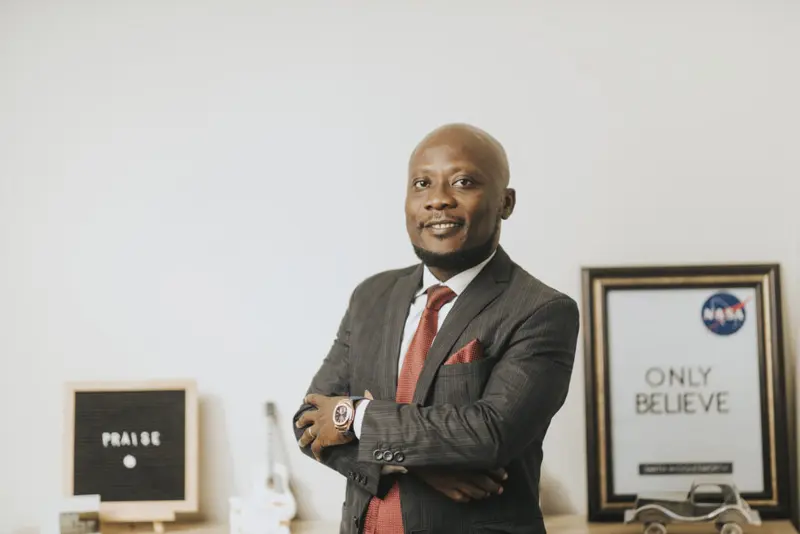
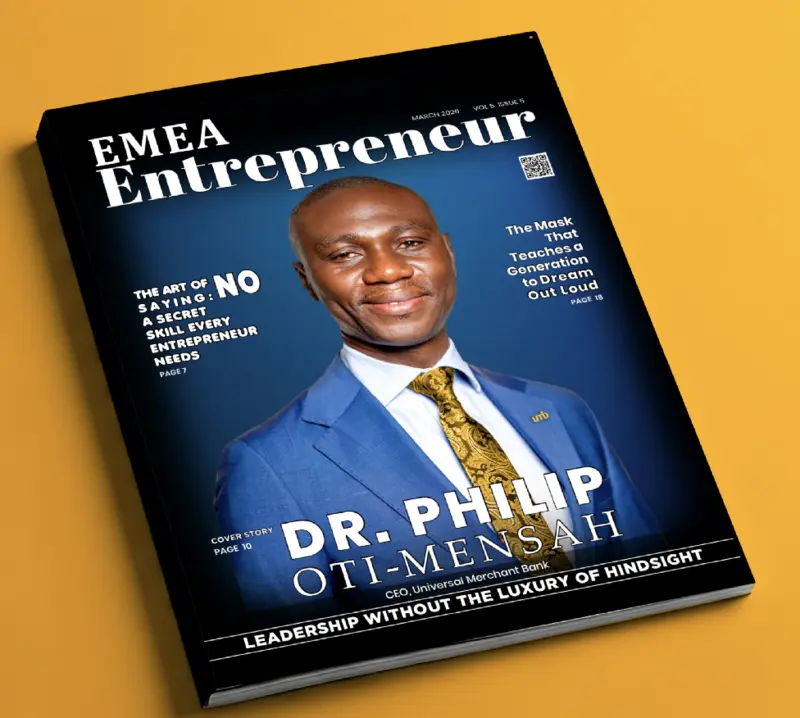
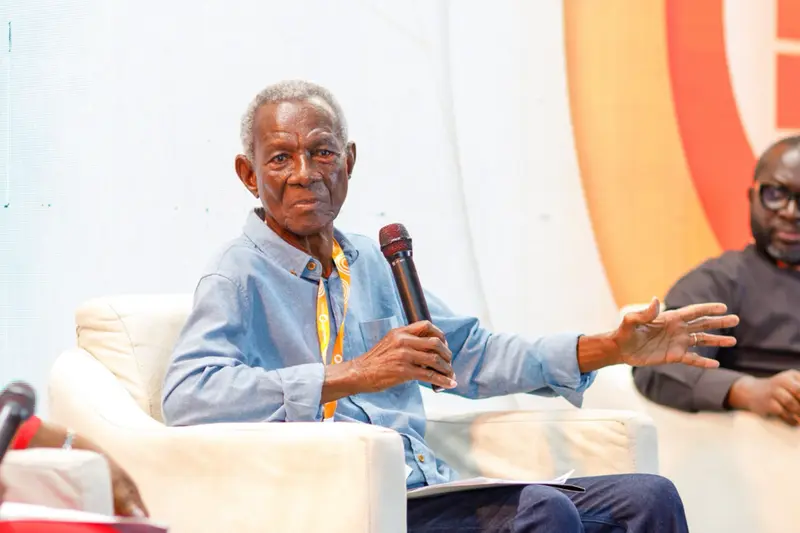
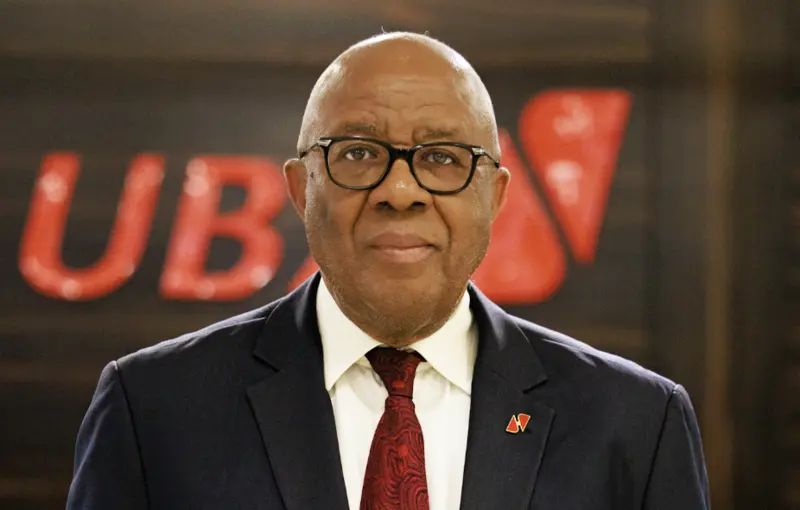
Dr. Philip Oti-Mensah's first year as Managing Director of UMB coincides with international recognition-a front-page feature in EMEA Entrepreneur. This milestone hints at a transformation underway at UMB, driven by a leadership style focused on discipline and strategic execution-but what does it mean for the bank's future?
WAMPEX 2026 is coming - but what does it mean for the future of mining in West Africa?
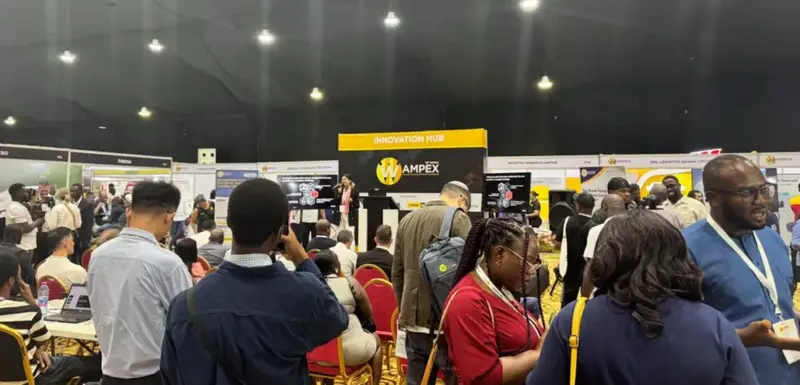
The West African Mining & Power Expo (WAMPEX) is set to convene in Accra in June 2026, marking its 19th edition. With thousands of mining professionals expected, the event aims to foster collaboration and growth- but what challenges will they face?
What do power outages and BoG losses mean for Ghana? Prime Insight tackles these issues this Saturday!
Prime Insight will host a panel to discuss Ghana's power challenges and the Bank of Ghana's financial losses. The discussion promises legal, political, and economic perspectives- leaving viewers to wonder about the true implications.
New ethics filings reveal a flurry of financial activity by Donald Trump - but what could be the implications?
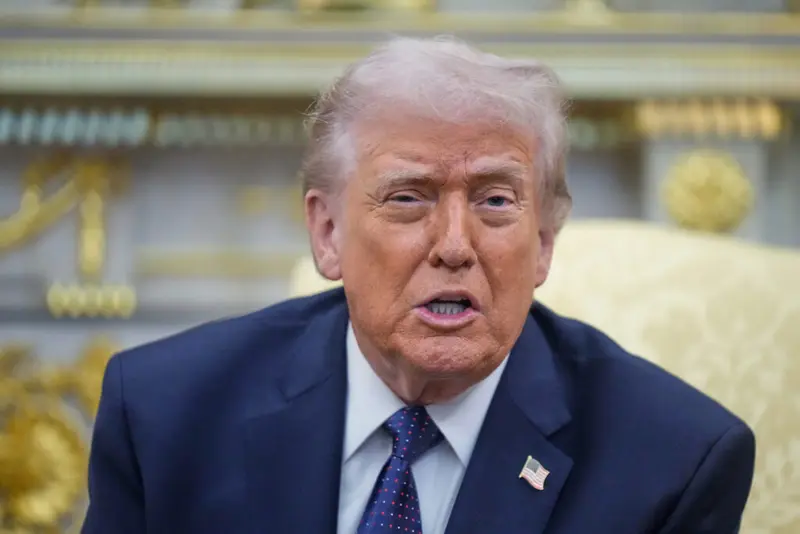
Donald Trump's ethics filing reveals a substantial number of financial transactions involving securities of major U.S. companies. The reports, covering the first three months of 2026, hint at the scale of the president's financial activity - but what does it all mean?
A World Bank document shows 27 countries are seeking crisis funds - but what does this mean for the global economy?
An internal World Bank document shows that twenty-seven countries have moved to put in place crisis instruments. The goal is to quickly access funding from existing World Bank programs - but the reason for the urgency remains unclear.