The Vice President reflects on Mfantsipim's multi-generational impact - and issues a mandate for the future of education.
Vice President Opoku-Agyemang joined Mfantsipim School to inaugurate its 150th-anniversary celebrations. She sees the institution as a pillar that has reinforced Ghana's intellectual foundations - but what makes it so special?
Over 160 students gained new skills to combat unemployment - but what does this mean for Ghana's future workforce?
The Yamfo College of Health TEIN chapter empowered students with vocational skills. This initiative aims to help students navigate the challenges of unemployment after school - but what skills did they learn?
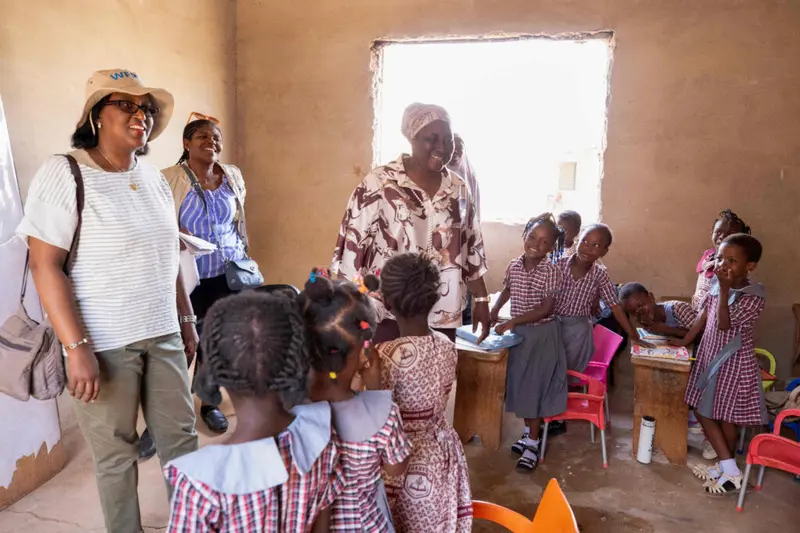
A major field assessment mission is underway on an integrated school feeding programme - but what changes will be made?
The WFP, Ghana's government, and the US are assessing a school feeding programme impacting 60,000 pupils in Northern Ghana. The mission is evaluating the intervention's effects on education, nutrition, health, and community livelihoods - but what will they find?
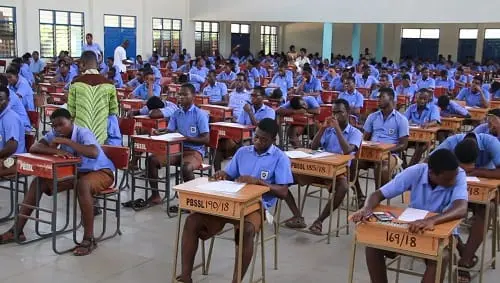
Private WASSCE candidates can now breathe a sigh of relief - but do they have what they need to see their results?
The West African Examinations Council has released provisional results for the 2026 WASSCE Private Candidates, First Series - and candidates can now check their results online. A WAEC results voucher is required, but the process to access the results promises to be straightforward.
Ghana's leaders gathered to celebrate Mfantsipim's 150th anniversary - but why does this milestone matter so much?
Vice President Opoku-Agyemang joined dignitaries to launch Mfantsipim School's 150th anniversary. The event celebrated the school's long history of shaping leaders - but the anniversary holds a deeper significance for Ghana's future.
The Vice-Chancellor of UG says calling African languages 'vernacular' is an affront to culture - but why does it matter?
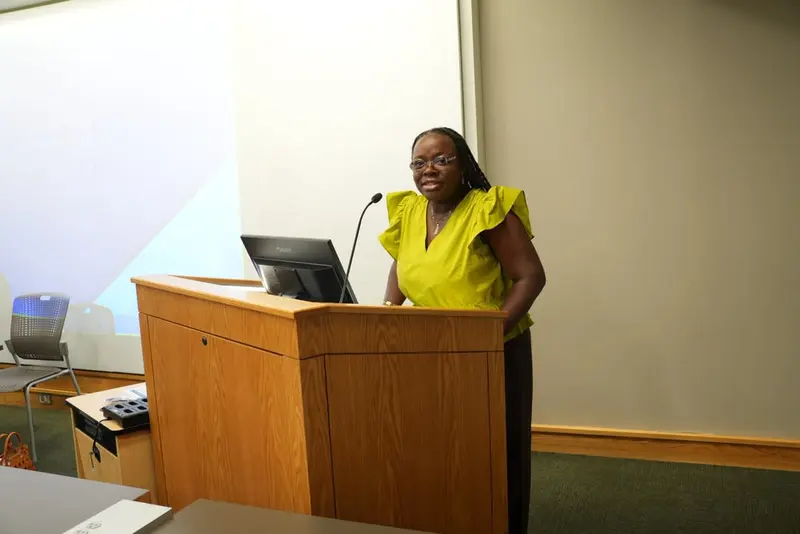
University of Ghana Vice-Chancellor - Prof. Nana Aba Appiah Amfo - addressed the Ghana Academy of Arts and Sciences on the use of African languages. She argues that the term 'vernacular' is derogatory and marginalizes African ways of knowing- but what impact does this have?