NPA cuts fuel price floors ahead of July pricing window as petrol, diesel and LPG expected to become cheaper
National Petroleum Authority (NPA) announced significant reductions in the official price floors for petroleum products ahead of the first pricing window of July. The minimum price for petrol has been reduced from GH¢13.39 per litre during the second pricing window of June to GH¢12.79 per litre for the first pricing window of July, a GH¢0.60 reduction representing a 4.5 percent decrease. Diesel's price floor dropped by GH¢1.57 per litre-from GH¢15.11 to GH¢13.54 per litre-a 10.4 percent decline. Liquefied petroleum gas (LPG) saw its minimum selling price fall from GH¢13.23 per kilogram to GH¢10.11 per kilogram, a decrease of GH¢3.12 or 23.6 percent.
The NPA explained that the published price floors represent the minimum prices at which Oil Marketing Companies (OMCs) and LPG Marketing Companies (LPGMCs) are permitted to sell petroleum products during the pricing window, in line with the Petroleum Products Pricing Guidelines (PPPG). The Authority noted that these price floors exclude charges such as premiums imposed by International Oil Trading Companies (IOTCs), the operating margins of Bulk Import, Distribution and Export Companies (BIDECs), and marketers' and dealers' margins. Actual retail prices may vary depending on individual companies' pricing decisions. These adjustments follow declining international crude oil prices, which have retreated to about US$70 per barrel.
Quick Summary
The National Petroleum Authority (NPA) has announced significant reductions in the official price floors for petroleum products ahead of the July
Summary - read the full story for complete context.
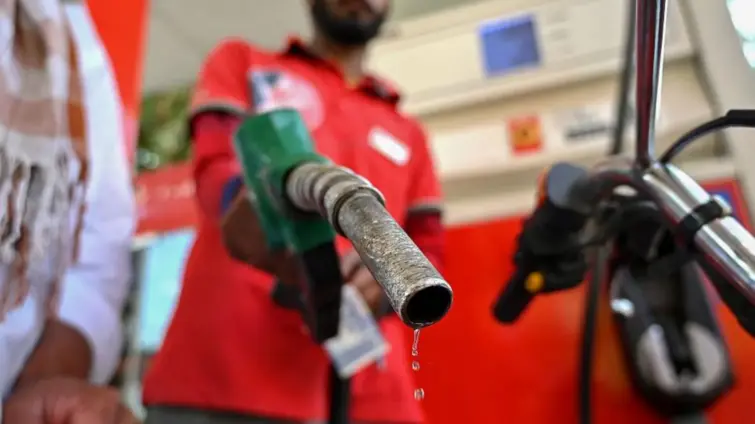
Image: Adom Online
Also covered by
GhanaFront aggregates news from trusted sources. Click to read the original article.
Keywords
Explore related tagsMore from Adom Online
Related Stories
More from Business & Economy
BoG maintains Monetary Policy Rate at 14%
Ghana's central bank has wrapped up its latest rate-setting meeting - what does it mean for the economy?
4d ago•3 min read