Maternal Mortality in Ghana: A Call to Action Following Kano Tragedy

Image: GhanaFront Editorial
A Nation Mourns: Another Mother Lost Too Soon
The recent death of Hafsatu Yusuf, a Kano woman who tragically passed away after delivering quintuplets, sends ripples of sorrow far beyond the borders of Nigeria. While our immediate thoughts are with her family and the five newborns now without their mother, this devastating event serves as a stark reminder of the persistent challenges surrounding maternal mortality across the African continent, and indeed, here in Ghana. The loss of a mother is a profound tragedy, impacting not only her family but also the wider community. It is a loss that demands reflection and, more importantly, decisive action.
While specific details regarding the circumstances in Kano are still emerging, this incident highlights the critical need for strengthened maternal healthcare systems, particularly in regions where access to quality medical care remains limited. The news, though from a neighbouring country, resonates deeply within Ghana, where we continue to grapple with our own maternal mortality rates. We must ask ourselves: what lessons can be learned from this tragedy, and what steps can we take to prevent similar occurrences within our own healthcare system?
The Reality of Maternal Mortality in Ghana
Ghana has made considerable progress in many areas of healthcare over the past few decades. However, maternal mortality remains a significant concern. While statistics fluctuate, the numbers consistently paint a picture of a system that is still failing too many women. Research suggests that a complex interplay of factors contributes to this ongoing challenge, including:
- Inadequate access to antenatal care: Many women, particularly in rural areas, do not receive the recommended number of antenatal check-ups.
- Skilled birth attendance: A significant proportion of births still occur without the presence of a skilled birth attendant (doctor, nurse, or midwife).
- Postpartum care: The period after childbirth is critical, yet many women lack access to essential postpartum care services.
- Emergency obstetric care: Delays in accessing emergency obstetric care, such as caesarean sections or blood transfusions, can have fatal consequences.
- Socioeconomic factors: Poverty, lack of education, and gender inequality all contribute to increased maternal mortality risk.
These challenges are further compounded by systemic issues within the healthcare system itself, including inadequate infrastructure, shortages of essential medical supplies, and a lack of adequately trained healthcare professionals, particularly in rural and underserved communities.
"Every maternal death is a preventable tragedy. We must redouble our efforts to ensure that every woman in Ghana has access to the quality maternal healthcare she deserves." -- A Ghanaian healthcare professional.
Addressing the Root Causes: A Multi-pronged Approach
Reducing maternal mortality in Ghana requires a comprehensive and multi-pronged approach that addresses both the immediate medical needs of pregnant women and the underlying systemic and socioeconomic factors that contribute to the problem. Key strategies include:
- Strengthening primary healthcare: Investing in primary healthcare facilities and ensuring that they are adequately staffed and equipped to provide quality antenatal, delivery, and postpartum care.
- Improving access to skilled birth attendance: Training and deploying more midwives and nurses to rural areas, and ensuring that all births are attended by a skilled healthcare professional.
- Enhancing emergency obstetric care: Establishing well-equipped emergency obstetric care centres in strategic locations, and ensuring that they are accessible to all women in need.
- Addressing socioeconomic determinants: Implementing policies and programs that address poverty, improve education, and promote gender equality.
- Community engagement: Engaging communities in maternal health programs, and empowering women to make informed decisions about their reproductive health.
- Investing in data and research: Strengthening data collection and analysis to better understand the causes of maternal mortality and to track progress over time.
Furthermore, we must address the issue of financial barriers to healthcare. The National Health Insurance Scheme (NHIS) plays a crucial role, but its effectiveness needs to be continuously evaluated and improved to ensure that it truly provides universal access to quality maternal healthcare. More focus should be placed on preventative care and education to reduce the need for costly interventions later on.
A Call to Action: From Policy Makers to Communities
The death of the Kano woman must serve as a catalyst for renewed commitment and action. It is a call to action for policymakers, healthcare professionals, community leaders, and individuals to work together to ensure that every woman in Ghana has access to the quality maternal healthcare she deserves. The government must prioritize maternal health in its national development agenda and allocate sufficient resources to address the challenges outlined above. Healthcare professionals must be committed to providing compassionate and respectful care to all women, regardless of their socioeconomic status or geographic location. Communities must be empowered to support pregnant women and to advocate for improved maternal health services.
This is not simply a matter of statistics or policy; it is a matter of human lives. It is about ensuring that every woman has the opportunity to experience the joy of motherhood without risking her own life. It is about building a healthier and more equitable society for all Ghanaians. Let us honour the memory of Hafsatu Yusuf by redoubling our efforts to prevent future tragedies and to ensure that every mother in Ghana has the chance to thrive.
Beyond Grief: Building a Healthier Future for Mothers
The pain and grief surrounding the death of a mother are immeasurable. But from this tragedy, we must find the strength and determination to build a better future for mothers in Ghana. By addressing the systemic challenges, investing in quality healthcare, and empowering communities, we can create a nation where every woman has the opportunity to experience a safe and healthy pregnancy and childbirth. The time for action is now. Let us work together to ensure that no other family has to endure the pain of losing a mother to preventable causes.
More from GhanaFront Editorial
Related Stories
More from Health
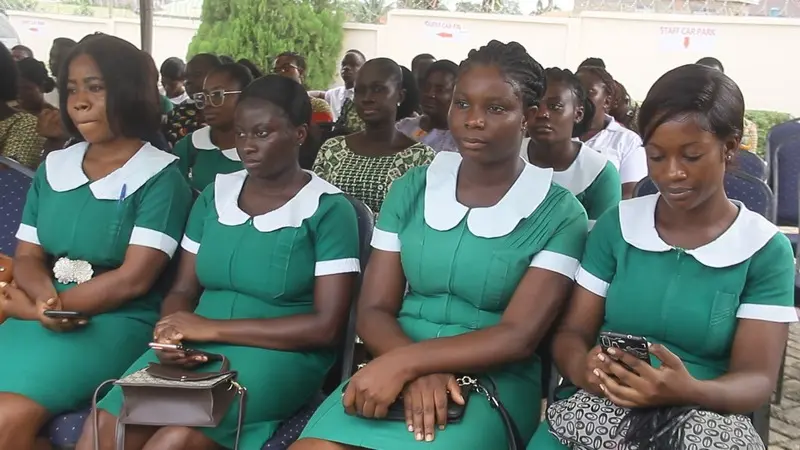
GRNMA calls for urgent action as 'no-bed syndrome' worsens across Ghana
GRNMA is sounding the alarm about 'no-bed syndrome' - what challenges are patients facing in accessing timely emergency care?
19h ago•2 min read

Feature: How Doctors In Ghana Are Leading The Fight Against Household Air Pollution
Could your kitchen be making you sick? Ghanaian doctors are raising concerns about a hidden danger in our homes.
14h ago•4 min read

New surgical theatre inaugurated at Madina Polyclinic to boost surgical and obstetric care
A new surgical theatre opens at Madina Polyclinic - but residents still face challenges.
3h ago•2 min read
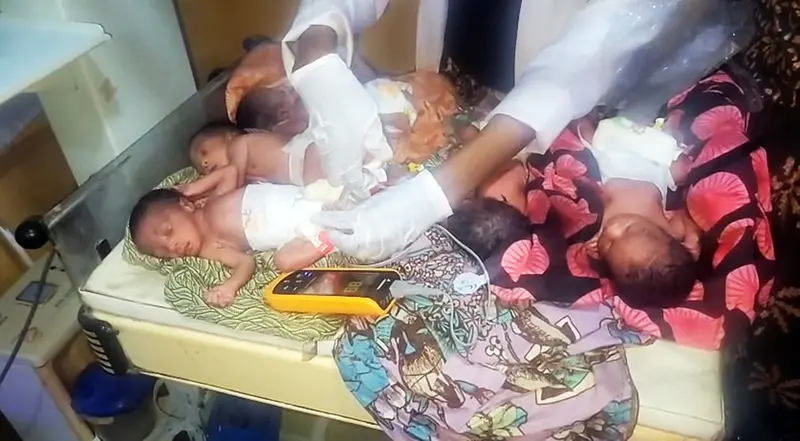
Kano woman who delivered quintuplets dies
A Kano woman who delivered quintuplets has passed away - but the story doesn't end there.
8h ago•2 min read