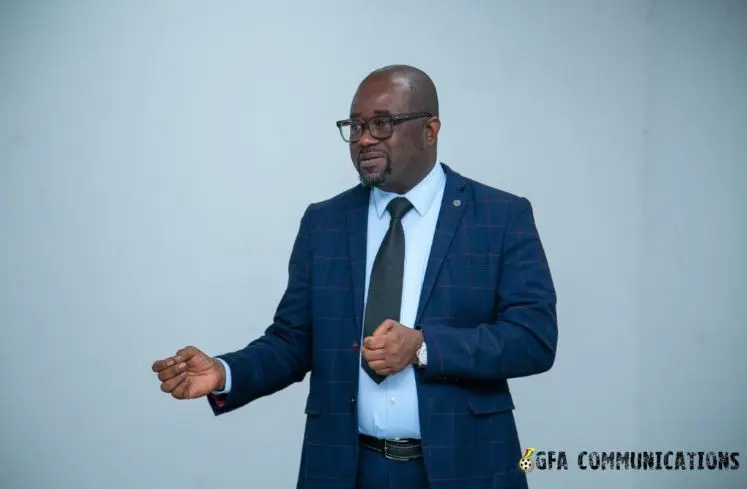
Why implementing UN reparations resolution will be difficult - Prof Appiagyei-Atuah details
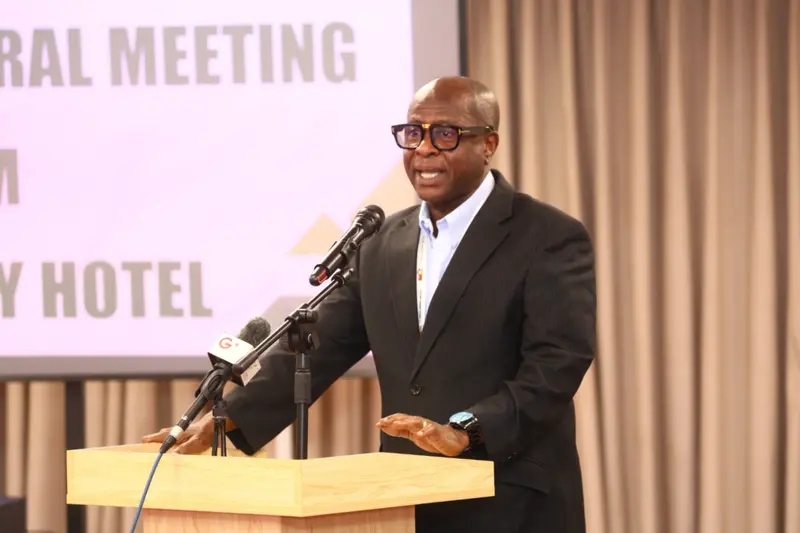
Kwadwo Appiagyei-Atuah, a professor at the University of Ghana School of Law, cautioned that implementation of the United Nation's resolution on reparatory justice will be difficult in an interview on JoyNews on March 26, 2026. According to him, "implementation becomes difficult" because "the big powers, the former colonial masters voted against it." He also stated that the resolution lacks legal backing, making enforcement difficult.
Appiagyei-Atuah described the resolution as largely a "moral victory," stating that translating it into concrete outcomes such as reparations may prove elusive. The UN General Assembly adopted a resolution on March 25, 2026, declaring the trafficking of enslaved Africans "the gravest crime against humanity" and calling for reparations. The resolution also urges "the prompt and unhindered restitution" of cultural items to their countries of origin without charge.
The vote in the 193-member world body was 123-3, with 52 abstentions. Argentina, Israel and the United States opposed the resolution. The resolution was championed by President John Dramani Mahama.
Quick Summary
Prof. Appiagyei-Atuah, a professor of International Law, highlights the challenges in implementing the UN resolution on reparations. Powerful nations' voting positions at the UN General Assembly may hinder progress - but what does this mean for the future?
Summary - read the full story for complete context.
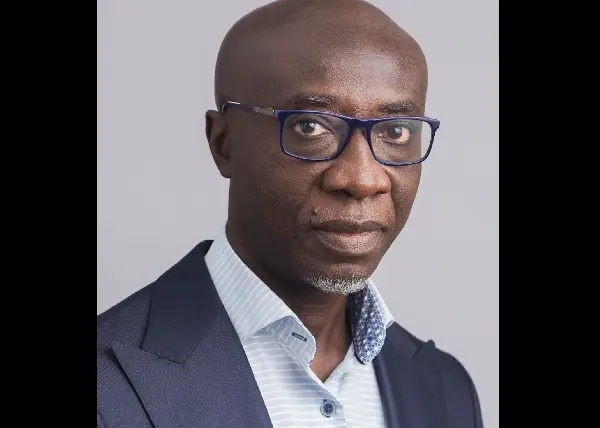
Image: GhanaWeb
GhanaFront aggregates news from trusted sources. Click to read the original article.
Keywords
Explore related tagsMore from GhanaWeb
Related Stories
More from Politics
Ghana Jollof: If police have established other people are involved, why haven't they arrested them? - Barker-Vormawor
Police named high-profile Ghana Jollof sponsors - but why no arrests yet? Barker-Vormawor demands proof beyond money trails.
6d ago•