Mahama and Ramaphosa Urged to Step In as Ghana-South Africa Diplomatic Row Deepens
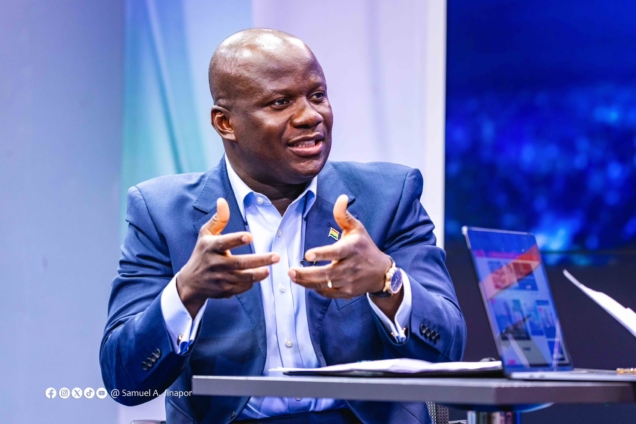
Image: GhanaFront Editorial
The growing diplomatic friction between Accra and Pretoria has reached a critical juncture, prompting urgent calls for direct dialogue between President John Dramani Mahama and South African President Cyril Ramaphosa. With the recent wave of xenophobic violence targeting foreign nationals in South Africa and the tragic death of a Ghanaian citizen in Cape Town, the traditional friendship between the two African nations is facing an unprecedented stress test.
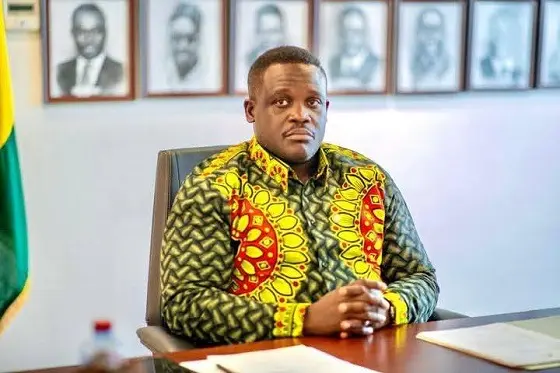
Samuel Abdulai Jinapor, the Member of Parliament for Damongo and Ranking Member of Parliament's Foreign Affairs Committee, has publicly sounded the alarm regarding the deteriorating relations. According to the former Lands and Natural Resources Minister, the recent combative exchanges between the foreign ministries of both nations demonstrate that routine ministerial engagements are no longer adequate to resolve the deepening crisis.
The Call for High-Level Presidential Intervention
The diplomatic architecture that has long sustained cooperation between Ghana and South Africa appears to be fracturing under the weight of public disagreements and shifting narratives. Jinapor has strongly argued that the impasse must now be elevated beyond the ministerial level. He is calling on President Mahama and President Ramaphosa to take personal charge of the situation to restore mutual confidence.
"Quite clearly, there is some breakdown of trust between our respective governments and the bilateral relationship between Ghana and South Africa is obviously at its lowest," Mr. Jinapor stated.
He further pointed out that the public posture of both foreign ministries reflects a systemic failure in diplomatic communication. Instead of quiet, back-channel diplomacy, the situation has devolved into a series of public rebuttals that only serve to inflame tensions further.
"If you follow the exchanges between our Foreign Minister and the Foreign Minister of South Africa, it is quite clear that there is some breakdown of cordiality and functionality," he observed.
Jinapor maintains that direct presidential engagement is the only viable path forward. Such high-level political leadership is necessary to de-escalate the rhetoric, protect the longstanding historical ties between the two countries, and ensure the safety of citizens residing in both nations.
The Cape Town Killing: A Disputed Narrative
The immediate catalyst for the latest diplomatic spat is the tragic shooting of a Ghanaian national in Cape Town. The circumstances surrounding the incident, which occurred on June 29, are fiercely disputed, further eroding trust between the two governments.
The Ministry of Foreign Affairs in Accra has explicitly linked the killing to the ongoing surge of xenophobic attacks in South Africa. From the Ghanaian perspective, the incident is part of a broader, dangerous pattern of targeted violence against African migrants. However, authorities in Pretoria have vehemently rejected this characterization.
On Thursday, July 2, South Africa's Minister of Justice and Constitutional Development, Mmamoloko Kubayi, who concurrently chairs the Inter-Ministerial Committee on Migration, issued a firm rebuttal. She described the Ghanaian government's account of the tragedy as "factually incorrect" and completely unsupported by the ongoing police investigations.
According to the official South African police report from the Western Cape, the attack was a purely criminal enterprise rather than a xenophobic hate crime. The authorities stated that the victim was working at a barbershop in Nyanga when unknown assailants stormed the premises, demanded money, and subsequently shot him before fleeing the scene.
Strained Diplomatic Cordiality and Evacuation Controversies
The disagreement over the Cape Town shooting is symptomatic of a much wider diplomatic breakdown. Tensions had already been brewing following a recent ultimatum issued by vigilante groups in South Africa. These groups demanded the immediate removal of undocumented migrants, baselessly blaming foreign nationals for the country's high unemployment, poverty, and crime rates.
When the vigilantes threatened to visit harm upon foreigners and their businesses -- a threat that directly impacted the Ghanaian community -- the government in Accra responded by offering to proactively fly its nationals out of South Africa. This decisive action was meant to protect Ghanaian lives in the face of imminent danger.
However, South African authorities perceived the evacuation offer as a massive overreaction that unfairly damaged the country's international reputation. Pretoria openly criticized Accra for the move, arguing that the security situation was under control. Despite the backlash from South Africa, several other African nations eventually followed Ghana's precedent, putting further diplomatic pressure on the Ramaphosa administration.
The Path Forward: Restoring a Historic Bilateral Relationship
The current state of affairs stands in stark contrast to the historically strong bilateral ties that Ghana and South Africa have enjoyed since the end of apartheid. The two nations have a shared history of pan-African cooperation, economic partnership, and mutual respect.
Moving forward, the focus must shift from public accusations to constructive, behind-the-scenes diplomacy. The expiration of the deadline issued by the rampaging vigilantes means the threat to foreign nationals remains a pressing reality, demanding a coordinated and unified response from African leaders.
The following steps are essential for repairing the diplomatic rift:
- Direct Presidential Dialogue: Immediate, closed-door discussions between President Mahama and President Ramaphosa to establish a unified approach to the crisis.
- Joint Investigations: Collaborative efforts between Ghanaian and South African law enforcement to transparently investigate incidents like the Nyanga barbershop shooting, ensuring both nations accept the findings.
- Enhanced Diplomatic Restraint: A commitment from both foreign ministries to cease public spats and utilize established diplomatic channels for grievances.
- Concrete Security Guarantees: Actionable assurances from the South African government regarding the safety and security of all foreign nationals and their businesses.
As Jinapor rightly emphasized, both nations must work collaboratively through diplomatic channels to address the very real concerns arising from attacks on foreign nationals. The preservation of the broader bilateral relationship must remain a priority, ensuring that the legacy of cooperation is not dismantled by the current crisis. Only through immediate, high-level intervention can Accra and Pretoria navigate this diplomatic minefield and restore the trust that is essential for their continued partnership.
More from GhanaFront Editorial
Related Stories
More from Politics

Mahama's proposed airline looks to South America, Caribbean as Ghana confronts mounting drug trafficking cases
Could new airline routes open a gateway for more than just passengers?
1d ago•