Ghana Reaffirms Cordial South Africa Relations Amid Citizen Evacuations Over Xenophobic Violence
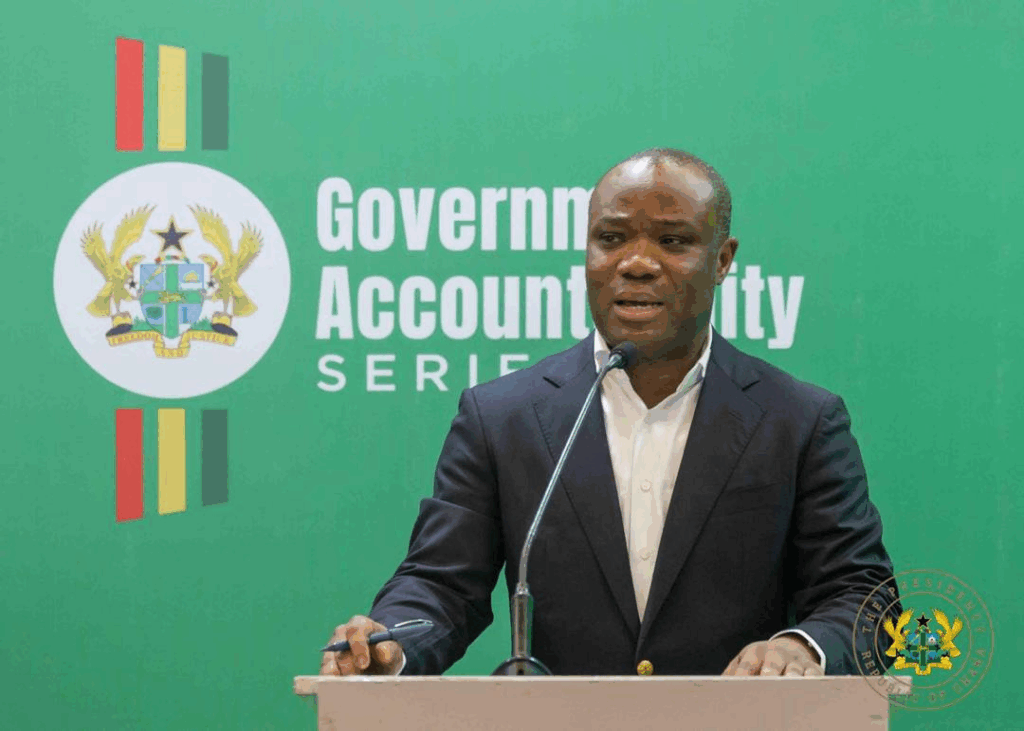
Image: GhanaFront Editorial
Ghana Upholds Diplomatic Ties Amid Security Concerns
The Government of Ghana has officially reaffirmed its commitment to maintaining strong and cordial diplomatic relations with South Africa -- a declaration that comes at a critical time when concerns over xenophobic violence targeting foreign nationals have threatened to destabilize the historic bond between the two African powerhouses.
Addressing the nation on Joy FM's Midday News this Tuesday, the Minister for Government Communications, Felix Kwakye Ofosu, sought to assuage fears of a diplomatic rupture. He clarified that while the government is deeply concerned about the safety of its citizens in South Africa, these challenges have not fundamentally damaged the longstanding bilateral ties.
The recent wave of xenophobic attacks has forced the Ghanaian government to take decisive action to protect its people, initiating a repatriation program to bring vulnerable citizens back home. However, officials are keen to separate the urgent need for citizen security from the broader geopolitical relationship.
"We in Ghana have not done anything to muddy the relationship; we only had to take a step to protect our citizens from the attacks, and so we know that we have made an arrangement to bring a number of them back home, and arrangements are ongoing to bring more back home. Beyond that, we don't think that our relations have been damaged."
This balanced approach highlights Ghana's diplomatic maturity, prioritizing human life without resorting to retaliatory measures that could further isolate both nations on the international stage.
Addressing Security Lapses and Repatriation Efforts
While the tone of the Ghanaian government remains diplomatic, there is an undeniable undercurrent of frustration regarding the handling of the xenophobic crisis by South African authorities. The ongoing violence against foreign nationals has repeatedly sparked international outrage, compelling the Ghanaian state to intervene directly to ensure the physical safety of its diaspora.
Ofosu did not shy away from expressing the government's disappointment. He noted that there is a prevailing view within Accra that the South African administration could have implemented more robust measures to guarantee the safety and security of all expatriates within its borders.
The ongoing repatriation is a logistical response to this perceived security deficit. By arranging flights to evacuate Ghanaians who feel threatened, the government is demonstrating a proactive commitment to its citizens. Yet, this operation is being framed not as an aggressive diplomatic maneuver, but rather as a necessary domestic duty.
Despite these significant grievances, the Minister emphasized that Ghana continues to hold the South African government and its populace in high esteem. The underlying message is one of constructive criticism rather than condemnation. The Ghanaian administration is explicitly willing and able to sustain a healthy relationship that yields mutual benefits, provided that the safety of its citizens is ultimately prioritized.
Clarifying the State Visit Rumors
The xenophobic attacks have also cast a shadow over recent diplomatic engagements, specifically regarding rumors of a rejected state visit. Speculation had been rife that the Ghanaian government had rebuffed a request from South African President Cyril Ramaphosa to visit the country -- a move that would have signaled a severe deterioration in relations.
However, this narrative has been swiftly corrected by South African officials. Vincent Magwenya, the Spokesperson for President Ramaphosa, clarified the situation in an interview with the Business and Financial Times. He explicitly stated that the South African presidency had not formally requested a state visit to Ghana.
Instead, Magwenya explained that the current diplomatic arrangements between the two nations are centered around the upcoming South Africa-Ghana Bi-National Commission conference. This commission is a vital framework designed to enhance bilateral cooperation across various sectors, including trade, security, and cultural exchange.
The misinterpretation of these diplomatic scheduling details underscores the tense atmosphere created by the xenophobic violence. Both governments are now working to ensure that vital economic and political dialogues, such as those facilitated by the Bi-National Commission, are not derailed by misinformation or public anxiety.
The Broader Impact on African Unity and Trade
The friction caused by xenophobic incidents in South Africa extends far beyond the immediate bilateral relationship with Ghana. As two of the most influential economies on the continent, their ability to navigate this crisis has significant implications for broader African unity and the success of continental initiatives like the African Continental Free Trade Area (AfCFTA), which is headquartered in Accra.
Xenophobia strikes at the very heart of the pan-African ideal of free movement and economic integration. When citizens of one African nation are unsafe in another, it creates barriers to trade, investment, and cultural exchange. Ghana's insistence on maintaining cordial relations, while simultaneously demanding better security for its citizens, reflects a strategic understanding of these macro-economic realities.
Both nations recognize that a fractured relationship would only serve to weaken the continent's collective bargaining power on the global stage. Therefore, the upcoming South Africa-Ghana Bi-National Commission will be crucial not only for addressing the immediate security concerns but also for reaffirming a shared commitment to continental integration.
By engaging in open dialogue and focusing on institutional frameworks, Ghana and South Africa are attempting to chart a course through this turbulent period. The emphasis remains on mutual respect, the protection of human rights, and the shared pursuit of economic prosperity, proving that even in the face of severe challenges, diplomatic channels remain the most effective tool for conflict resolution.
As the Ghanaian government continues its repatriation efforts, the international community will be watching closely to see how South Africa responds to these valid security concerns, and whether the historic friendship between these two nations can emerge from this crisis stronger and more resilient than before.
More from GhanaFront Editorial
Related Stories
More from Politics
Make health sovereignty a priority for Africa - Mahama
Why Africa's health spending could reshape its economy - and what Mahama says leaders must change.
1d ago•4 min read