Floods force GRA to extend tax deadline
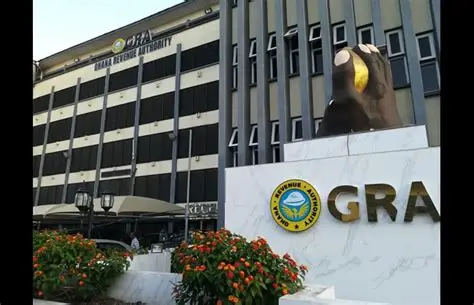
Image: GhanaFront Editorial
Flood-hit businesses get tax breathing room
The Ghana Revenue Authority has pushed the deadline for filing several end-of-month tax returns to Monday, July 6, after heavy rains and flooding disrupted business activity in Accra and nearby areas.
The extension covers second-quarter Corporate Income Tax, Personal Income Tax, and May 2026 filings for Value Added Tax, the National Health Insurance Levy and the Communications Service Tax. Those returns had been due on Tuesday, June 30.
For many firms, that date landed in the middle of a messy recovery period. Offices were dealing with soaked premises, damaged stock, transport delays and staff who could not report to work. The tax authority's decision gives those businesses a short but important window to catch up without being punished for circumstances they did not create.
In a statement issued on July 1 by its Communication and Public Affairs Department, and signed by Director Offei Starlets, the GRA said the move was approved by the Commissioner-General to support taxpayers affected by the flooding and to protect business continuity.
Taxpayers who file by Monday, July 6, 2026, will not be liable for late filing penalties for this filing period.
That assurance matters. In a system where deadlines are strict and penalties can quickly pile up, even a brief extension can ease pressure on small businesses and larger companies alike. The authority said normal penalties will apply to returns submitted after the revised deadline.
The tax calendar ordinarily requires such returns to be filed on or before the last working day of the month following the taxable period. June 30 was therefore the standard cut-off date before the floods forced a change in approach.
The decision also reflects a practical reality often overlooked in policy debates: compliance is easier when people can actually reach their offices, access records and move around the city safely. Flooding does not just delay traffic. It disrupts filing systems, payments, deliveries and the basic routines businesses depend on.
Rather than asking taxpayers to make unnecessary trips to tax offices, the GRA urged them to use its digital services. The authority specifically pointed to the Taxpayer's Portal and other online platforms as the fastest route for filing returns during the disruption.
That advice is sound. Digital filing reduces travel, saves time and limits crowding at service centres when roads are already under pressure. It also helps the revenue authority keep tax administration moving while the city recovers from the weather damage.
For taxpayers facing deeper operational problems, the GRA said they should contact the nearest Taxpayer Service Centre or their tax office for assistance. That leaves room for case-by-case support, which is important when the impact of flooding is uneven across businesses and locations.
What the authority has done here is simple, but not trivial. It has signalled that the tax system can bend without breaking when emergencies interrupt ordinary commerce. That flexibility can make the difference between orderly compliance and unnecessary default.
For small enterprises in particular, the days after a flood can be consumed by cleaning, repairs and stock checks. A missed filing date in those circumstances may say more about the weather than about the taxpayer's willingness to comply. The extension recognises that reality.
A targeted response to a wider disruption
The extension is not a blanket waiver. It is a short administrative response to a specific disruption, designed to balance relief for taxpayers with the state's need to keep revenue flowing. That balance matters because tax collection funds core public services, yet enforcement without flexibility can become counterproductive when disasters hit.
Ghana's tax system depends heavily on predictable filing behaviour, but predictability collapses when weather events knock out transport, damage equipment and interrupt access to records. A rigid deadline in such a moment would punish compliance rather than encourage it. The GRA's move avoids that trap.
The authority said it remains committed to uninterrupted tax administration while supporting businesses through the difficult period and safeguarding revenue for national development. That is the right message, because the public needs to know relief does not mean indiscipline.
Still, the real test will be how quickly taxpayers respond to the new deadline. The extra days should not become an excuse for delay. Businesses that can file early should do so, especially those with digital access and ready records. Those still recovering from flood losses now have a fairer runway to meet their obligations.
For Ghana's private sector, the announcement is a reminder that weather shocks are no longer rare inconveniences. They are becoming operational risks that can hit compliance, logistics and cash flow at the same time. Institutions that respond quickly and clearly will help reduce the damage.
In this case, the GRA has done exactly that. It identified the disruption, set a new deadline, clarified the penalty position and pointed taxpayers to practical filing options. That kind of administrative clarity is what businesses need when the city is underwater and the paperwork is not done.
It also sends a wider signal to other public institutions. When floods, fire or other emergencies interrupt normal life, official deadlines should be reviewed quickly and communicated plainly. Confusion costs more than flexibility, especially when people are already trying to recover lost time and money.
For taxpayers, the message is simple: the deadline has moved, the penalties clock has paused until July 6, and the window should be used wisely. Those with access to the portal should file now. Those in distress should seek help early. Waiting until the final hour helps nobody.
As Accra and surrounding communities recover from the flooding, the GRA's intervention offers a small but useful example of responsive public administration. It will not repair damaged roads or dry out offices, but it does remove one avoidable burden from businesses trying to get back on their feet.
That is what sensible relief looks like -- targeted, temporary and clear. Not a retreat from enforcement, but an acknowledgement that the state works best when it understands the pressure people are under and adjusts without losing discipline.
More from GhanaFront Editorial
Related Stories
More from Business & Economy

PUWU postpones protest against private sector participation in ECG
Why did PUWU call off its nationwide demonstration at the last minute?
2d ago•2 min read