Farmers' burning practices deepen air pollution and environmental crisis in Ghana
Farmers' burning practices are fueling a growing public health and environmental crisis across Ghana, according to experts. A forthcoming study by the Council for Scientific and Industrial Research found that burning just one kilogram of crop residue produced smoke levels more than 100 times higher than the safety threshold set by the World Health Organization (WHO). Dr Kwaku Onwona-Hwesofour Asante, one of the study authors, said "This shows why open burning harms communities."
Experts warn that all forms of burning in agriculture are causing long-term damage to Ghana's land, air, and environment. Slash and burn farming involves cutting down trees and vegetation and then setting it on fire to clear it for planting. Farmers also burn leftover stalks, leaves and husks, known as crop waste or crop residue, to quickly clear their fields. Cecilia Teye Ameh, a 40-year-old rice farmer, said that heavy smoke from the fires often triggers asthma attacks, causes high blood pressure, and irritates her eyes. She said, "When the doctors told me I have an asthma attack, I knew it could be from the smoke of the weeds I burn but I cannot stop because that's how I do my work and get money, and it's the main work most people do here." Mathias Kwame Nunekpeku, a farmer with two decades of experience, said, "Anytime I burn the bush, the smoke catches me and my asthma starts at once."
Quick Summary
Ghanaian farmers' reliance on burning farmland is drawing scrutiny from experts. Concerns are mounting about public health and the environment - but what impact will this have?
Summary - read the full story for complete context.
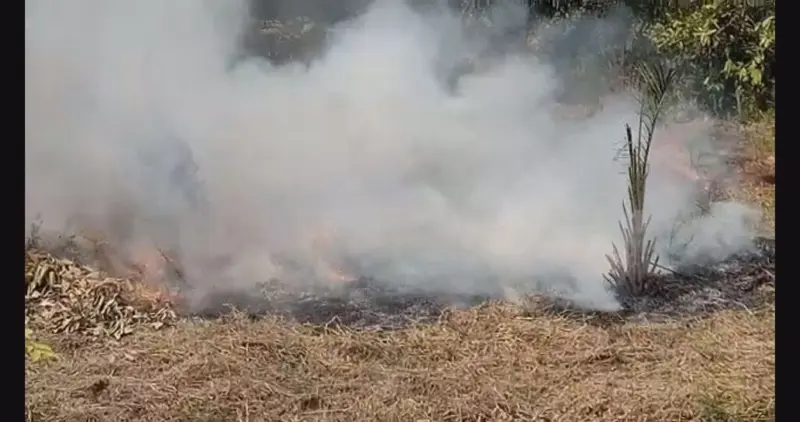
Image: Adom Online
GhanaFront aggregates news from trusted sources. Click to read the original article.
Keywords
Explore related tagsMore from Adom Online
Related Stories
More from Regional
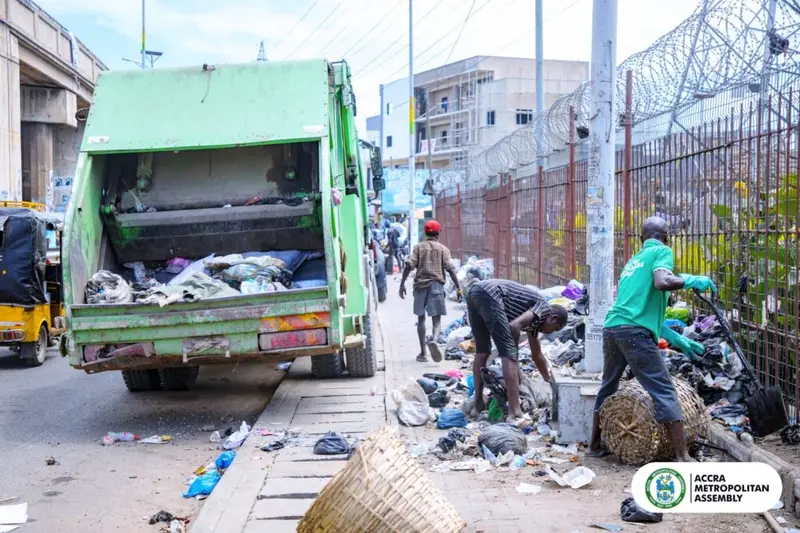
AMA evacuates refuse along Graphic Road, warns against indiscriminate dumping
Who left this mess on Graphic Road, and what will the AMA do about it?
19h ago•2 min read