Bank of Ghana Projects Sustained Cedi Stability Amid Easing Forex Pressures and Dollar Injections
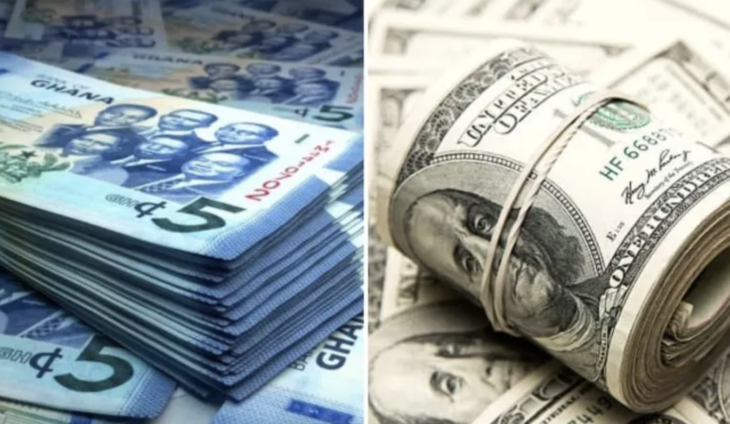
Image: GhanaFront Editorial
The Bank of Ghana has expressed strong optimism regarding the near-term trajectory of the local currency, predicting that the cedi will maintain its newly found stability against major trading currencies. This positive outlook follows a noticeable improvement in overall foreign exchange market conditions, which have provided a much-needed buffer for the Ghanaian economy after a historically volatile start to the year. For policy makers and ordinary citizens alike, the current trends represent a vital stabilization phase in the nation's broader economic recovery strategy.
For businesses, manufacturers, and consumers heavily reliant on imported goods and raw materials, the recent performance of the currency offers a significant sigh of relief. Following intense depreciation pressures during the first quarter of the year -- a period characterized by uncertainty and rapid price adjustments -- the local currency has demonstrated remarkable and sustained resilience. In a major turnaround, data captured in the latest Monetary Policy Analysis report indicates that the cedi recorded its first monthly appreciation of more than three percent in June 2026. This recovery marks a critical pivot in the ongoing efforts to restore macroeconomic equilibrium and rebuild public confidence in the financial system.
The central bank attributes these impressive gains to a series of strategic and aggressive policy implementations, most notably its Forex Intermediation and FX Intervention programmes. These comprehensive initiatives were meticulously designed to systematically inject liquidity into the financial system, effectively satisfying corporate demand and cooling the speculative fervor that often drives unwarranted currency depreciation. By stepping in as a reliable supplier of foreign exchange, the Bank of Ghana has successfully disrupted the panic-buying cycles that previously plagued the market.
Strategic Dollar Injections and Easing Demand
To further solidify these recent gains and prevent any potential reversals, the financial regulator is not resting on its laurels. According to forward-looking strategic projections, the Bank of Ghana plans to supply an estimated one billion dollars to the foreign exchange market through its highly effective Forex Intermediation Programme in July 2026 alone. This massive liquidity injection is expected to serve as a powerful anchor for the local currency, ensuring that commercial banks have adequate and accessible reserves to meet the legitimate foreign exchange needs of their corporate clients without resorting to the parallel market.
Market intelligence and internal data reviewed by financial analysts suggest that the intense demand pressures that characterized the earlier months are naturally tapering off. The Bank of Ghana noted that a significant portion of major corporate bodies, multinational corporations, and large-scale importers have already completed their major restocking cycles for the mid-year period. With the bulk of these heavy, front-loaded transactional demands already cleared from the system, the daily pressure on the available dollar supply has significantly and noticeably reduced.
"The Bank of Ghana’s FX intermediation programme helped moderate pressures on the cedi that came from frontloading of demand, particularly from the energy sector."
By proactively addressing the specific demands of the energy sector -- which traditionally consumes a vast portion of the nation's foreign exchange for the importation of refined petroleum products -- the central bank has effectively neutralized one of the primary catalysts for currency depreciation. The regulator remains resolute in its commitment to sustaining these targeted measures, ensuring that the market remains highly liquid and deeply resilient against any sudden domestic or external shocks.
The Retail Market Reality and Exchange Rates
While the central bank's robust interventions have undoubtedly stabilized the broader macroeconomic indicators, the tangible effects are also being closely monitored across the retail segments of the foreign exchange market. The gap between official interbank rates and the rates offered on the parallel market, though still present, is being carefully managed by financial authorities to prevent arbitrage opportunities that could undermine the official interventions.
Currently, the local currency market reflects a tiered pricing structure that highlights the varying levels of access to foreign exchange within the Ghanaian financial landscape:
- Commercial banking institutions, which benefit directly from the central bank's liquidity support, are offering the United States dollar at an average exchange rate of GH¢11.55.
- Forex bureaux, which typically cater to walk-in retail clients, smaller businesses, and urgent transactions outside the formal banking sector, are selling the dollar at approximately GH¢12.30.
This spread underscores the ongoing need for continuous, systemic liquidity support, which the central bank's upcoming July interventions aim to squarely address. By effectively bridging the supply gap at the institutional level, the regulator hopes to foster a more unified, transparent, and predictable exchange rate environment for all participants, ultimately driving down the retail rates as supply trickles down the financial ecosystem.
Anticipated Inflows to Bolster National Reserves
Beyond its internal policy maneuvers and domestic market interventions, the Bank of Ghana is heavily counting on a series of external financial inflows to organically fortify the country's gross international reserves. As the fiscal year progresses into the critical second and third quarters, there is a strong, data-backed expectation of increased foreign exchange receipts from traditional sources. This includes a projected uptick in diaspora remittances -- a historical lifeline for the Ghanaian economy -- and scheduled disbursements from international development partners and bilateral creditors.
A crucial and foundational component of this external support structure is the ongoing and fruitful engagement with the International Monetary Fund. The central bank anticipates significant capital injections tied directly to the country's successful adherence to its economic recovery programme metrics. These highly anticipated external disbursements include:
- An immediate and stabilizing inflow of approximately 380 million dollars in direct IMF programme support, designed to bolster the nation's balance of payments.
- A subsequent, substantial tranche of 240 million dollars expected to officially hit the national accounts in July 2026, further deepening the central bank's strategic reserve buffers.
These substantial, multi-million dollar inflows will not only augment the central bank's immediate intervention capabilities but also send a resounding signal of confidence to international financial markets. Furthermore, recent positive developments on the international economic stage -- most notably a favorable credit rating upgrade from Fitch Ratings and the government's strategic decision to initiate early Eurobond debt repayments -- have fostered a renewed and palpable sense of investor confidence in the Ghanaian sovereign story. This growing optimism is largely expected to translate into increased foreign direct investment and crucial portfolio inflows, providing an additional, robust layer of defense for the cedi.
Global Risks and the Future Macroeconomic Outlook
Despite the overwhelmingly positive trajectory and the comprehensive support mechanisms currently in place, the central bank maintains a highly cautious and pragmatic stance, acknowledging openly that the Ghanaian economy remains inherently susceptible to external geopolitical and economic shocks. The deeply interconnected nature of modern global finance means that domestic monetary policies must constantly adapt to unpredictable international realities.
Specifically, the Bank of Ghana has issued a stern warning regarding the fragile and unpredictable peace process in the Middle East. Any sudden escalation of military or diplomatic tensions in that volatile region could immediately lead to a sharp spike in global crude oil prices. As a net importer of refined petroleum products, higher global oil prices would automatically and unavoidably translate into an increased, urgent demand for dollars by local Bulk Oil Distributors. Such a scenario has the potential to rapidly revive the very depreciation pressures that the central bank has worked so diligently to suppress over the past six months.
Consequently, the financial regulator has publicly pledged to maintain maximum vigilance across all economic indicators. The Bank of Ghana will continue to rigorously monitor global geopolitical developments, commodity price fluctuations, and domestic market dynamics, standing completely ready to deploy further monetary interventions to preserve the hard-won stability of the foreign exchange market. For now, however, the outlook for the Ghanaian cedi remains the most promising it has been in several quarters, offering a stable, predictable foundation for broader economic recovery, sustained business planning, and long-term national growth.
More from GhanaFront Editorial
Related Stories
More from Business & Economy
World Bank affirms Ghana's growth rate at 4.8% in 2026
What do the latest World Bank numbers reveal about Ghana's economic path through 2027?
1d ago•2 min read