ADC Pushes Ghana To Trust Local Coaches After World Cup Exit

Image: GhanaFront Editorial
Ghana's latest World Cup disappointment has moved the debate around the Black Stars bench from short-term results to a bigger national question: whether the country is ready to build its own coaching leadership with the same seriousness it applies to player development.
The Africa Development Council has urged football authorities to make Ghanaian coaches the centre of the next phase of the national team's rebuilding, following the Black Stars' Round of 32 exit from the ongoing FIFA World Cup and the departure of Portuguese coach Carlos Queiroz.
Queiroz, who was appointed in April 2026 on a four-month deal expected to run until the end of July, stepped down after the tournament. In leaving the role, he said Black Stars success must begin away from the pitch, a line that has now fed into wider scrutiny of how Ghana structures its football leadership.
ADC says the Black Stars job is about more than tactics
In a post-tournament statement, ADC President Dr Bright Atsu Sogbey and Michael Ackumey, Scribe of the ADC Secretariat, argued that the choice of national team coach should not be treated as a routine technical appointment. The organisation said the decision touches identity, capacity building and the responsible use of public resources.
The Council acknowledged that both local and foreign coaches have had moments of success and failure with national teams. It also recognised why some supporters favour foreign managers, citing their exposure to modern systems, different tactical cultures and high-level technical experience.
But ADC said Ghana cannot keep treating imported leadership as the default answer whenever the Black Stars fall short. For the Council, the national team represents more than a fixture list. It carries the emotional weight, football identity and expectations of millions of Ghanaians.
"Just as a country would never entrust the defence of its sovereignty to a foreign Chief of Defence Staff, the nation's football identity should not be placed in the hands of someone who lacks a deep cultural and emotional connection to the country," ADC stated.
The group said a Black Stars coach is not only a tactician. The role also demands leadership, motivation, strategy, diplomacy and a strong sense of national symbolism. According to ADC, a foreign coach may work professionally and honour contractual obligations, but that does not create the same lifelong attachment to Ghana's football culture and ambitions.
Local knowledge and coach development now central to the argument
ADC's case for Ghanaian coaches rests heavily on familiarity with the country's football ecosystem. The Council said local coaches understand the communities that produce talent, the languages and cultural references that shape dressing-room communication, and the playing identity that has defined Ghana across generations.
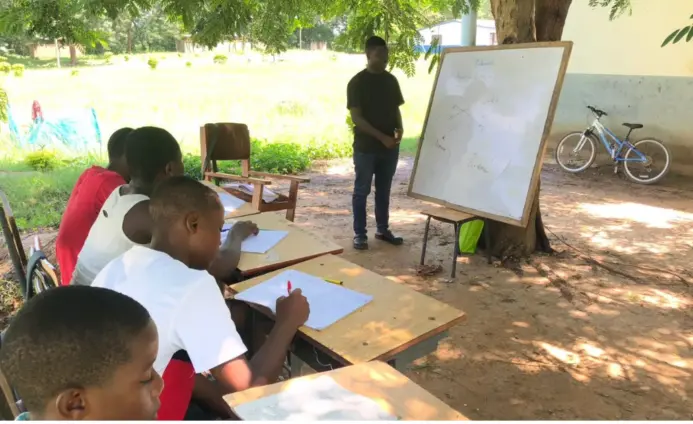
That point matters because the Black Stars are not built only from elite foreign-based professionals. The pathway from colts football, schools, academies, domestic clubs and youth national teams still shapes the country's talent base. ADC argued that coaches who have grown within that system are better placed to connect those dots and inspire players through shared experience.
"They know the communities from which talented players emerge, appreciate the unique playing style that has characterised Ghanaian football over generations, understand the local languages and cultural nuances, and can inspire players through shared experiences," the Council said.
The statement also warned that Ghana weakens its own long-term prospects whenever local coaches are denied top-level opportunities. ADC said the national team job, and other elite roles around it, should be part of a deliberate pathway for developing Ghanaian technical leadership.
Every foreign appointment, the Council argued, can become a missed learning opportunity for local professionals. Without exposure to the pressures of international tournaments, elite preparation, player management and national scrutiny, Ghana will struggle to produce a sustainable pool of coaches capable of competing at the highest level.
ADC called for a system that gives Ghanaian coaches proper education, continuous development, institutional support and real chances to lead. It said the country should not wait for perfect candidates to appear by accident. It must build them through structure, investment and trust.
- Stronger coaching education and certification programmes
- Better support for football academies and youth development
- Investment in sports science and modern technical departments
- Improved remuneration and professional conditions for local coaches
- Clearer pathways from domestic football to national team roles
Cost of foreign appointments also under scrutiny
The Council also raised the financial side of the debate. Foreign coaches often come with significant salary packages, accommodation, travel allowances and bonuses, many of them paid in foreign currency. ADC said those costs deserve scrutiny at a time when Ghana is dealing with economic pressure and youth unemployment.
For ADC, the issue is not simply whether Ghana can pay a foreign coach. The stronger question is whether that same money would create greater value if invested in Ghana's own football infrastructure. The Council suggested that resources used for imported technical leadership could help improve coaching education, fund academies, support youth programmes and strengthen the professional base of local coaches.
"At a time when Ghana faces economic challenges and youth unemployment, many question whether this is the best use of limited funds," ADC said.
The organisation also warned about the message repeated foreign appointments can send to young Ghanaian coaches. If the national team consistently looks outside the country for leadership, it may suggest that local professionals are not trusted to handle major responsibility. ADC said that perception can discourage young people from seeing coaching as a serious career path.
The Council framed investment in Ghanaian coaches as both a football decision and a statement of confidence in national human capital. It said Ghana can produce world-class coaches if the right structures are created and sustained.
The Black Stars' exit has therefore left the Ghana Football Association and other stakeholders with a decision that goes beyond replacing Queiroz. The next appointment will signal whether Ghana intends to continue searching abroad for quick fixes or begin building a coaching model rooted in local expertise, long-term planning and national belief.
More from GhanaFront Editorial
Related Stories
More from Sports
GFA ordered to dissolve Black Stars technical team after Carlos Queiroz's exit
New directives from the sports ministry could reshape how Ghana's national teams are managed - but what exactly changes?
2d ago•