Ghana Faces Narco-State Threat Over Australian Methamphetamine Export Scandal, Security Expert Warns
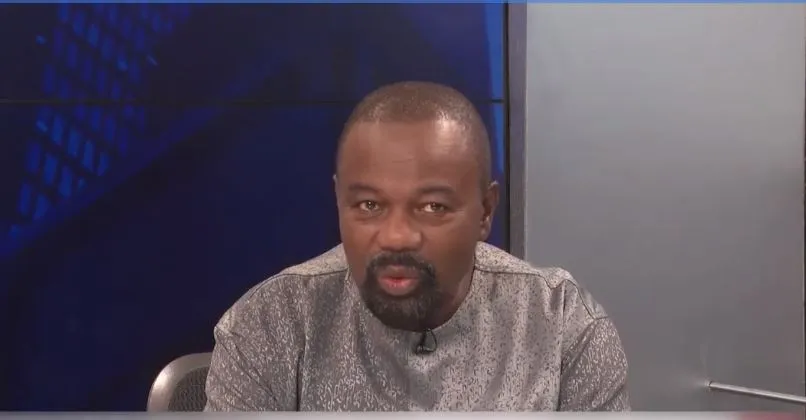
Image: GhanaFront Editorial
Intelligence Failures and the Threat of Institutional Capture
Ghana stands at a critical juncture in its national security landscape, facing the severe threat of transforming into a narco-state. The catalyst for this urgent warning is the recent, sophisticated attempt to export methamphetamine from Ghana to Australia. According to security analyst Professor Vladimir Antwi-Danso, this incident is not an isolated breach but a glaring symptom of massive intelligence failures and the potential infiltration of state institutions by international drug syndicates.
The alarm bells ring loudest following disclosures made by Interior Minister Muntaka Mohammed-Mubarak to the Assurances Committee of Parliament. The revelation that multiple government officials are currently under investigation regarding this thwarted drug shipment has exposed deep vulnerabilities within the nation's security apparatus. The scale and coordination required to move such a consignment point directly to the involvement of powerful, well-connected individuals rather than small-time criminals.
Professor Antwi-Danso has explicitly highlighted the breakdown in intelligence gathering and early detection protocols. The ability of criminal networks to bypass national security structures raises profound questions about the integrity of border controls and internal monitoring systems. When asked directly about the root cause of these lapses, the security expert cited fundamental flaws in intelligence gathering. The failure to track suspicious activities and illicit financial flows has allowed these syndicates to operate with alarming impunity.
The Normalisation of Unexplained Wealth
A significant underlying factor contributing to this national security crisis is the societal normalisation of conspicuous, unexplained wealth. Ghana has increasingly fostered a culture that celebrates sudden opulence without questioning its source. This environment provides the perfect camouflage for individuals profiting from the international narcotics trade.
The rapid emergence of high-rise real estate developments and the public display of luxury vehicles by various public figures, including religious leaders, serve as potential red flags. While not directly accusing specific groups, Professor Antwi-Danso noted that the flaunting of fleets of luxury cars -- such as Rolls-Royces -- by pastors and other influential figures without visible, legitimate sources of income should trigger immediate scrutiny. By accepting and praising sudden riches, society inadvertently creates a safe haven for illicit funds.
"We give currency to such things. And therefore, we don't go behind; how do they get the money within a short time like that? ... The currency we give such opulence is one of the big security risks."
The danger extends far beyond religious circles. The true peril lies in the likelihood that individuals occupying positions of public trust, political power, and authority are the primary beneficiaries of this illicit economy. High-ranking officers and politicians who project public respectability may, in reality, be the masterminds facilitating these operations, having essentially purchased the compliance of the system.
The Guinea-Bissau Warning and Systemic Compromise
If the nation fails to decisively confront these criminal networks, the trajectory leads toward total institutional capture. The term "narco-state" implies a condition where criminal syndicates wield significant influence over public institutions, law enforcement, and national decision-making. To illustrate this grave risk, comparisons have been drawn to Guinea-Bissau.
Guinea-Bissau serves as a stark cautionary tale within the West African sub-region. The country has endured prolonged instability, frequent military coups, and widespread violence precisely because drug cartels have successfully infiltrated the state apparatus. When the police force, the judicial system, and the political elite are compromised by drug money, the state ceases to function for its citizens and instead serves the interests of the traffickers.
The methods employed in the recent methamphetamine case further underscore the systemic nature of the threat in Ghana. Testimonies from the Interior Minister outlined highly unconventional transport methods for the drugs. The reported use of essential service vehicles and high-security transport highlights the audacity and reach of these criminal networks:
- The use of state or private ambulances to bypass routine security checks.
- The deployment of bullion vans, typically reserved for transporting large sums of currency, to move narcotics under the guise of legitimate secure transport.
Such tactics require a level of coordination and institutional complicity that is deeply alarming. It suggests that the operational logistics of these syndicates are already embedded within legitimate state and private infrastructure.
Repackaging Hubs and the Transatlantic Narcotics Trade
Perhaps the most troubling revelation is the indication that Ghana is being utilised as a strategic repackaging and transit hub for the global drug trade. The methamphetamine destined for Australia was reportedly concealed within shipments of charcoal. Given that Ghana is a recognized producer and exporter of charcoal, this method provides a highly effective cover for international smuggling.
This development situates Ghana within a broader, deeply concerning regional context. West Africa is increasingly targeted by international syndicates as a processing and transit zone. Historical data supports this trend; the United Nations Office on Drugs and Crime identified a full-scale methamphetamine manufacturing facility in neighbouring Nigeria over a decade ago. It is highly probable that syndicates are manufacturing drugs regionally and using nations like Ghana and Cote d'Ivoire as safe conduits for repackaging and onward shipment to lucrative foreign markets like Australia.
This shift represents what some security analysts are calling a modern equivalent to historical exploitations -- a "transatlantic narcotism." The long-term consequences of serving as a transit hub are devastating. History dictates that transit countries eventually become consumer countries. The residual narcotics will inevitably spill over into the local population, creating severe public health crises and fueling domestic crime.
The Imperative for Decisive Action
The ongoing parliamentary investigations and the promises of decisive action by the Interior Minister are crucial first steps. However, true accountability requires moving beyond the low-level operatives and apprehending the powerful individuals orchestrating these shipments.
To prevent the slide into a narco-state, Ghana must urgently implement comprehensive reforms:
- Strengthen Intelligence Capabilities: Security agencies must pivot from reactive policing to proactive intelligence gathering, focusing on sophisticated monitoring of borders and transport logistics.
- Audit Unexplained Wealth: State institutions must be empowered to investigate individuals whose public displays of wealth grossly disproportionate their known, legitimate income streams.
- Enhance Institutional Integrity: Rigorous vetting and continuous monitoring of personnel within law enforcement, politics, and the judiciary to root out compromised officials.
- International Collaboration: Deepen cooperation with international drug enforcement agencies to track transnational syndicates and intercept illicit financial flows.
The thwarted Australian methamphetamine shipment serves as an unavoidable wake-up call for the nation. If the state does not dismantle these criminal networks immediately and hold the influential masterminds accountable, the integrity of the nation's core institutions will be irreparably compromised. The fight against international narcotics is not merely a law enforcement issue; it is an existential battle for the soul and sovereignty of the state. Failure is not an option, as the alternative is surrendering the country to the destructive forces of institutional capture and the grim reality of becoming a fully entrenched narco-state.
More from GhanaFront Editorial
Related Stories
More from Politics

Newsfile to discuss EOCO arrest of Manhyia South MP, drug trafficking, teachers' strike and Ghana's sports crisis
What links an MP's arrest, port drug seizures, a strike, and sports upheaval? Newsfile digs in.
4d ago•