UPNMG Demands Immediate Infrastructure Upgrades to Retain Northern Region Nurses
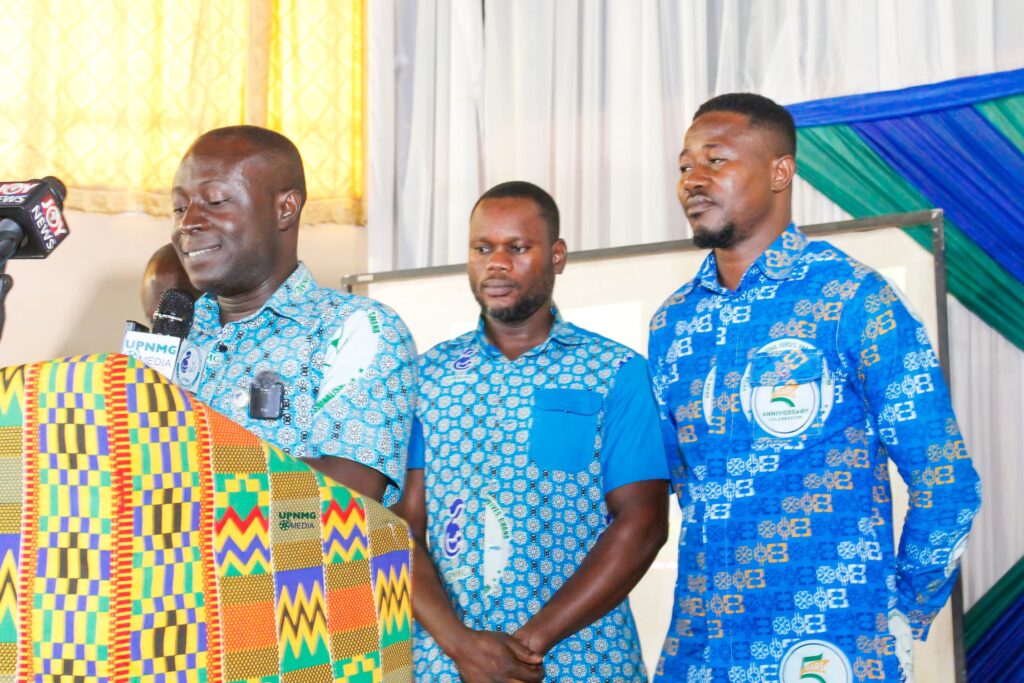
Image: GhanaFront Editorial
The Growing Crisis of Healthcare Retention in Northern Ghana
The persistent exodus of healthcare professionals from the Northern Region has reached a critical juncture, prompting a strong appeal for immediate and targeted government intervention. Maxwell Oduro Yeboah, the National President of the Union of Professional Nurses and Midwives, Ghana (UPNMG), has highlighted that poor working conditions and a severe lack of basic amenities are the primary catalysts driving nurses and midwives away from the region. The situation is not merely a matter of preference; it is a forced migration driven by systemic neglect.
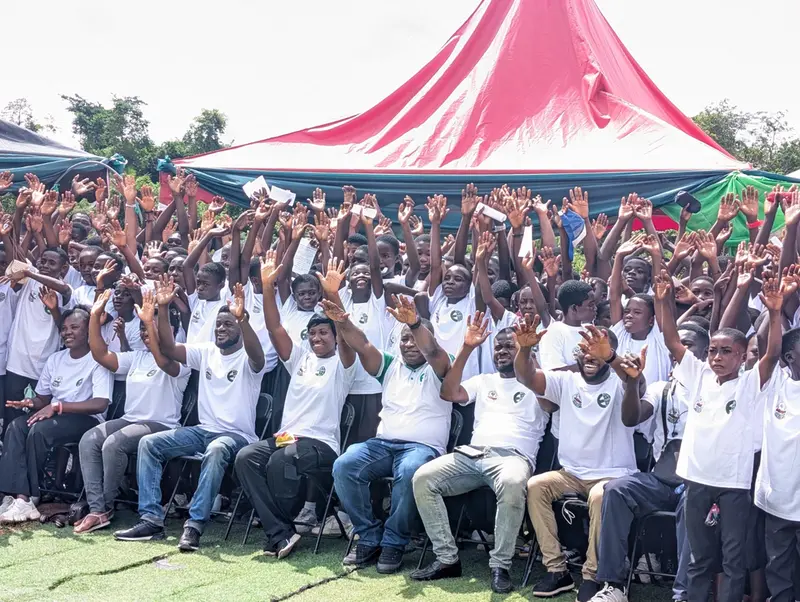
Speaking at the Northern Regional Nurses and Midwives Conference held at the Radach Hotel in Tamale, Yeboah emphasized that health workers are not leaving underserved communities out of a lack of patriotism. Instead, they are being pushed out by inadequate infrastructure, limited accommodation, and inequitable deployment systems. The conference, themed "Strengthening Nursing and Midwifery Practice: Bridging the Gap, Building the Future for Ghana's Healthcare," served as a crucial platform to address the deep-rooted inequalities in the nation's healthcare sector.
The Paradox of High Training and Low Retention
A glaring paradox currently defines the healthcare landscape in Ghana's northern corridor. The Northern Region boasts some of the country's most prominent nursing and midwifery training institutions, including the Tamale Nurses Training College, the University for Development Studies (UDS), and the Nalerigu College of Nursing and Midwifery. These institutions consistently produce a significant number of highly qualified healthcare professionals every year.
However, the region dramatically struggles to retain its graduates. The pipeline is robust, but the bucket is leaking. "We train them here and lose them there. To the south. To the airport," Yeboah remarked, powerfully illustrating the crisis of the medical brain drain. "A nursery that never keeps its own seedlings will never grow a forest."
"We train them here and lose them there. To the south. To the airport," Yeboah said, warning that a nursery that never keeps its own seedlings will never grow a forest.
This analogy cuts to the core of the issue. When highly trained professionals are immediately siphoned off to urban centers like Accra or recruited by foreign healthcare systems, the local communities that hosted their training are left heavily under-resourced. The rural-urban divide continues to widen, leaving vulnerable populations without access to the quality healthcare they desperately need.
Addressing the Infrastructure Deficit
Retaining these vital frontline workers requires a comprehensive approach that goes far beyond simply issuing mandatory rural postings. Yeboah outlined clear, non-negotiable prerequisites for retention. Chief among these are fair deployment systems, dignified accommodation, and health facilities equipped with fundamental necessities like reliable running water and stable electricity.
For decades, nurses posted to rural and peri-urban areas in the Northern Region have had to secure their own housing, often settling for substandard living conditions. Furthermore, operating in clinics lacking basic medical supplies and stable utilities severely hampers their ability to deliver safe, effective care. This environment not only degrades the quality of service but also inflicts heavy psychological tolls on healthcare providers.
The UPNMG President was unequivocal: "You have to give them a reason to stay. Postings with fairness. Accommodation with dignity. Facilities with water and light." Without these foundational pillars in place, the region will continue to serve merely as a transit point for professionals aiming for greener pastures.
Breaking the Accra-Centric Development Model
The concentration of economic opportunities, advanced medical facilities, and administrative resources in Accra and other southern hubs has created an uneven playing field. Yeboah echoed sentiments previously expressed by the Northern Regional Minister, Ali Adolf John Mburudiba, who served as the special guest of honour at the conference. The Minister had previously noted that Accra cannot and should not remain the sole focal point of national growth.
Yeboah agreed wholeheartedly, noting that the systemic development challenges affecting the broader youth population are the exact same hurdles driving healthcare professionals away. "Honourable Minister, I heard you long ago, and I have never forgotten it. You said Accra must not remain the focal point of growth, that our young people leave not by choice but by necessity. Hon, you are right," he stated.
This calls for a radical shift in national policy. Deliberate, decentralized investment is required to make the Northern Region a competitive and attractive destination for long-term career building. While acknowledging the government's ongoing efforts to upgrade essential services -- including recent commitments to improve water supply infrastructure in Tamale and Yendi -- the UPNMG leadership stressed that these initiatives must be drastically accelerated.
Union Welfare Initiatives and Continuous Education
Understanding that government action often moves slowly, the UPNMG is actively rolling out several internal welfare initiatives to support its members. These proactive measures are designed to mitigate the harsh financial and logistical realities of practicing in less developed regions. Key initiatives include the UPNMG Fund and a proposed Auto Scheme, which is structured to facilitate vehicle ownership for nurses, thereby easing the significant transportation challenges faced in rural districts.
Additionally, the union is planning the establishment of the UaMac Advanced Medical and Academic Centre, a bold step toward improving local medical infrastructure and providing a hub for advanced practice.
Beyond institutional support, Yeboah challenged the nurses and midwives to take absolute ownership of their professional growth. He advised them to prioritize continuous education, stating that the strengthening of healthcare practice begins in the classroom and is sustained by personal commitment. "Chase knowledge. It is the only property nobody can ever take from you," he urged the attendees.
Reflecting on his personal journey, which laid its foundation in Tamale, he encouraged local healthcare workers to recognize their own vast potential. By combining union-led support systems, an unwavering dedication to professional development, and targeted government infrastructure investments, stakeholders can forge an environment where Ghanaian nurses and midwives can serve their communities with the utmost dignity and pride. Retaining these professionals is not just a union demand; it is an absolute necessity for the survival and strengthening of Ghana's national health system.
More from GhanaFront Editorial
Related Stories
More from Education
Special Initiatives Minister urges Wa Technical Institute to enrol more girls as EU-backed solar training lab opens
A new solar lab opens in Wa, but the minister's challenge to include women could reshape who benefits from Ghana's green jobs boom.
1d ago•