Regulation by invoicing: The systemic flaws in NITA's licensing push and the threat to Ghana's digital trust
The National Information Technology Agency (NITA) is attempting to mandate licenses for individual ICT professionals and general private tech businesses. NITA is leaning on the Fees and Charges (Miscellaneous Provisions) Act, 2022, and its subsequent 2023 Regulations to justify this action. NITA was established by the National Information Technology Agency Act, 2008 (Act 771), with a companion framework provided by the Electronic Transactions Act, 2008 (Act 772).
Act 772 explicitly limits NITA's certification powers to highly sensitive corporate services, specifically encryption and authentication. Section 38(1) of Act 772 contains an unambiguous, specific prohibition: "A licence shall not be issued or granted by the Agency to an individual." Without an operational Legislative Instrument (LI), NITA is relying on the Fees and Charges (Miscellaneous Provisions) Act, 2022.
By sliding pricing schedules for "IT Professional Licenses" and broad business certifications into a general financial instrument, the agency engaged in administrative bootstrapping. The Fees and Charges Act is a consolidated national pricing catalog.
Quick Summary
NITA's push for ICT professional licenses sparks debate in Ghana's tech sector - raising questions about regulatory overreach. Concerns grow that this move, justified through fees and charges, may undermine digital trust.
Summary - read the full story for complete context.
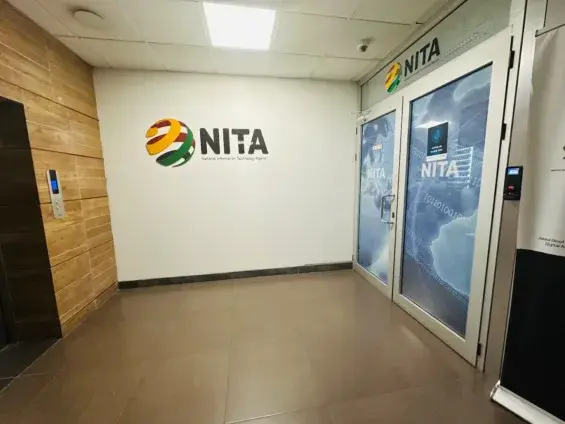
Image: MyJoyOnline
Also covered by
GhanaFront aggregates news from trusted sources. Click to read the original article.
Keywords
Explore related tagsMore from MyJoyOnline
Related Stories
More from Technology

150 women empowered with digital skills under African Girls Can Code Initiative, GIFEC targets 500 next year
Why are 150 women from three regions now equipped to transform their businesses and careers?
11h ago•4 min read

World Bank affirms Ghana's growth rate at 4.8% in 2026
What do the latest World Bank numbers reveal about Ghana's economic path through 2027?
4h ago•2 min read

Pete Edochie becomes first Pan-African honouree of Ghana's Legacy Project
Why is a Nigerian screen legend being celebrated in Accra, and what does this mean for the Legacy Project's future?
11h ago•4 min read
PAC steps down 2 special audit reports into Ghana's US Embassy, 13th All African Games
Two major special audits have been pulled from Parliament's agenda - but what does this mean for accountability?
17h ago•4 min read