Iran war could trigger food security issues, job losses and high fuel prices in Ghana - World Bank, IMF and IEA
The World Bank, International Monetary Fund (IMF) and International Energy Agency (IEA) are warning that the ongoing war in the Middle East could trigger food security challenges. They say it could lead to job losses and high fuel prices in Ghana, other African countries and low-income economies. This was contained in a joint statement issued in Washington DC on the sidelines of the World Bank/IMF Spring Meetings.
The institutions noted that "The shock has led to higher oil, gas and fertiliser prices, triggering concerns about food security and job losses as well." They added that "Some oil and gas producers in the Middle East have also seen a dramatic loss of export revenue." They further stated that "Even after a resumption of regular shipping flows through the Strait, it will take time for global supplies of key commodities to move back towards their pre-conflict levels-and fuel and fertiliser prices may remain high for a prolonged period given the damage to infrastructure." The World Bank, IMF and International Energy Agency also indicated that "Due to supply disruptions, shortages of key inputs are likely to have implications for energy, food, and other industries," adding that the situation remains very uncertain. The war has also forcibly displaced people, impacted jobs, and reduced travel and tourism, which may take time to reverse.
The institutions assured that they will continue to closely monitor and assess the impact of the war on energy markets, the global economy and individual countries. They also pledged to coordinate their response and support to member countries, "working with, and drawing on, other international organisations' expertise as needed to lay the foundations for a resilient recovery that delivers stability, growth and jobs." Teams from the institutions are working closely, including at the country level, to provide tailored policy advice and, in the case of the IMF and World Bank, financial support where necessary. The heads of the three institutions met on Monday as part of a coordination group established in early April to strengthen
Quick Summary
The World Bank, IMF, and IEA are warning about potential economic fallout from the ongoing war in the Middle East. The institutions highlight possible challenges for Ghana and other low-income economies - but what could these be?
Summary - read the full story for complete context.
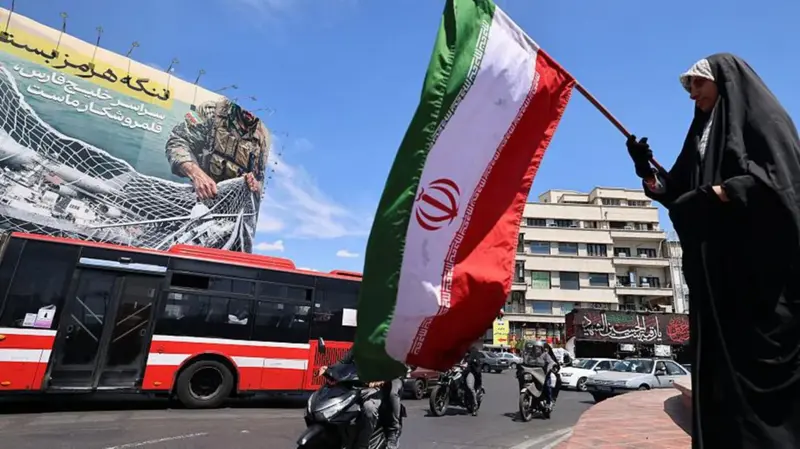
Image: MyJoyOnline
GhanaFront aggregates news from trusted sources. Click to read the original article.
Keywords
Explore related tagsMore from MyJoyOnline
Related Stories
More from Business & Economy
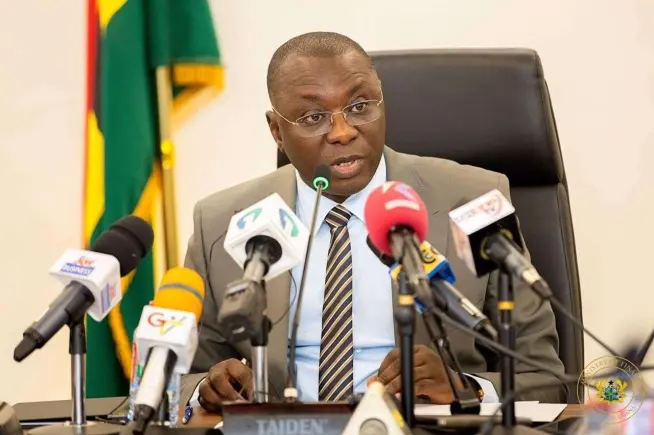
Amin Adam urges monthly disclosure of Sinking Fund as Ghana prepares for DDEP repayments
Why is the former finance minister demanding transparency on a fund that could shape Ghana's debt repayment strategy?
15h ago•2 min read

Unchecked imports and the Middle East crisis threaten Ghana's fragile food inflation anchor
Could the Middle East crisis unravel Ghana's fragile food inflation anchor and trigger a new economic shock?
1d ago•4 min read
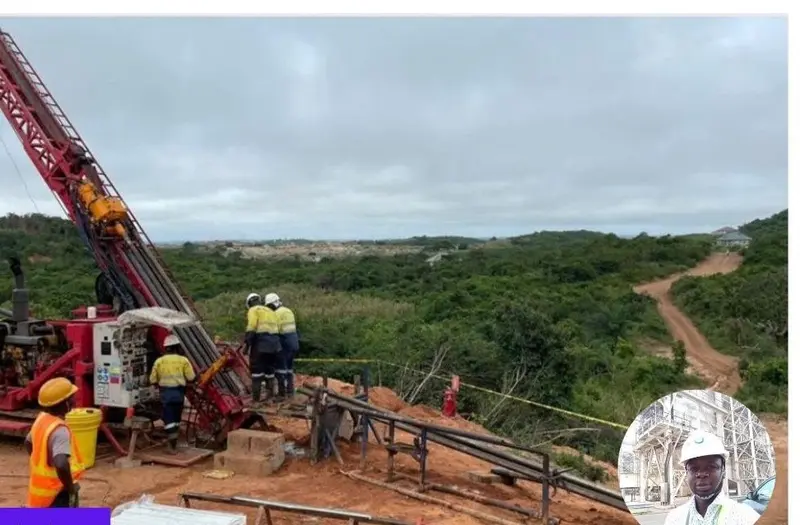
Energy Analyst Kwegyir Essel urges Atlantic Lithium to expedite compensation for Ewoyaa landowners
Why are Ewoyaa landowners still waiting for compensation after Parliament's approval?
5h ago•3 min read
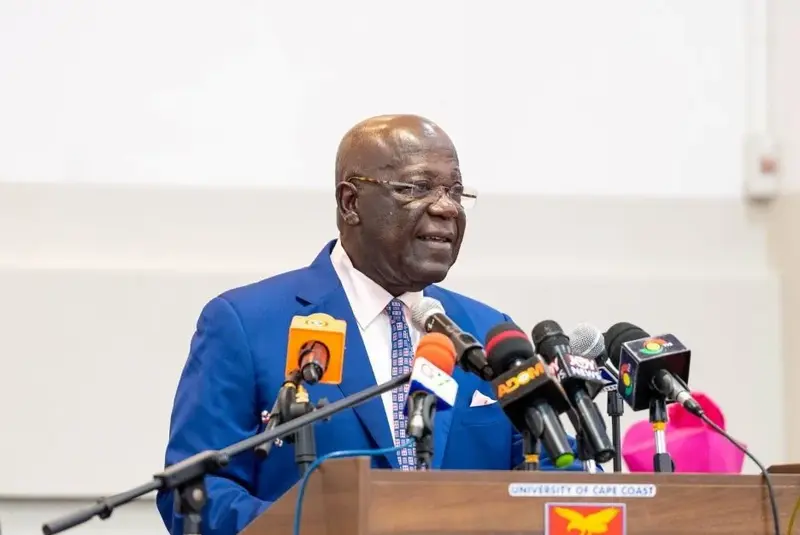
Africa must produce job-creators; a nation of job seekers becomes poor- Sir Sam Jonah
Why does Sir Sam Jonah say a nation of job-seekers will always be poor?
5h ago•2 min read