HoroscoWhy the Strait of Hormuz matters so much in the Iran warpe for Today
Iran and the US have agreed to a ceasefire on the condition that "safe passage" through the Strait of Hormuz is guaranteed. Tehran had effectively blocked the waterway since the US and Israel attacked the country on February 28. About 20% of the world's oil and liquefied natural gas (LNG) usually passes through the strait.
Oil prices plunged by around 15% shortly after the announcement of the ceasefire. In 2025, about 20 million barrels of oil and oil products passed through the Strait of Hormuz per day. About 20% of global LNG is also shipped through the strait, mostly from Qatar. In 2024, Qatar exported about 9.3 billion cubic feet per day (Bcf/d) of LNG through the strait, and the UAE about 0.7 Bcf/d. About one-third of the world's fertiliser trade normally passes through the strait. About 3,000 ships usually sail through the strait each month but this dramatically decreased during recent hostilities, with Iran threatening to attack tankers and other ships. As of April 2, non-profit United Against Nuclear Iran said at least 24 commercial vessels had been hit, plus three near misses. Arne Lohmann Rasmussen, chief analyst at Global Risk Management, said "You can be attacked, and you can't get insurance or it is extremely expensive".
The US has not deployed any warships to the strait, confining its military response to air attacks on Iran, including its navy. On March 18, the US military reported bombing Iranian anti-ship cruise missile sites.
Quick Summary
The US and Iran were in conflict, with the Strait of Hormuz at the center. The world's busiest oil shipping channel was effectively blocked- but why does this small corridor matter so much?
Summary - read the full story for complete context.
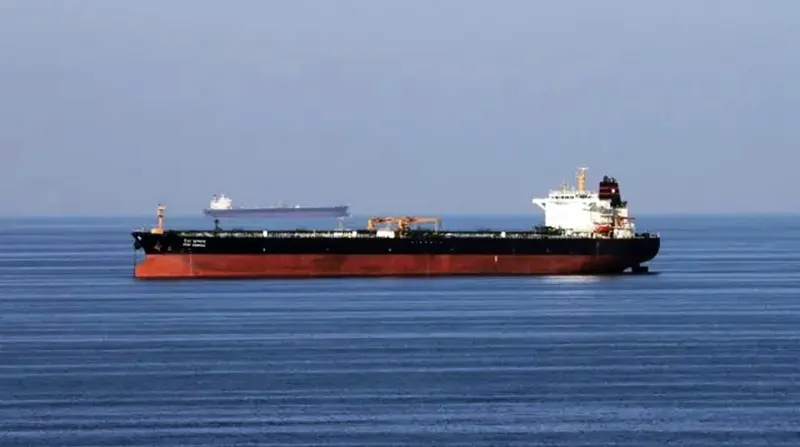
Image: The Chronicle
GhanaFront aggregates news from trusted sources. Click to read the original article.
Keywords
Explore related tagsMore from The Chronicle
Related Stories
More from Business & Economy

Eni, Vitol move to secure two Tano Basin blocks
New agreements may unlock deep-water exploration in Ghana's Tano Basin - what lies beneath?
1d ago•3 min read