From crisis to confidence: Ghana's remarkable economic turnaround
Ghana entered 2025 in a shaky state. Headline inflation ended 2024 at 23.8%, nearly three times the Bank of Ghana's target of 8±2 %. The cedi had lost about 20% of its value. Lending rates were above 30%. The public debt stood at 61.8% of GDP, the fiscal deficit at 7.9% of GDP, and Ghana held US$9.1 billion in foreign reserves (covering 4.1 months of imports). The current account balance was US$1.5 billion.
The Bank of Ghana's response was built around four pillars. The Bank held its policy rate at high levels. OMO interest expenses roughly doubled from GHS 8.6 billion in 2024 to GHS 16.7 billion in 2025. The Bank scaled up its Domestic Gold Purchase Programme (DGPP). A new foreign exchange framework was introduced in November 2025, and in February 2026, Parliament passed Ghana's National Reserve Accumulation Programme (GANRAP). By end-2025, the capital adequacy ratio improved from 14% to 15%, above the international Basel requirement of 13%. Non-performing loans fell from 22% to 18.9%.
Quick Summary
Ghanaians have recently experienced economic challenges such as cedi devaluation and rising market prices- placing immense strain on the nation's financial stability. This article explores the strategies implemented to address these issues, hinting at the complexities and trade-offs involved in navigating Ghana's economic recovery.
Summary - read the full story for complete context.

Image: MyJoyOnline
Also covered by
GhanaFront aggregates news from trusted sources. Click to read the original article.
Keywords
Explore related tagsMore from MyJoyOnline
Related Stories
More from Business & Economy
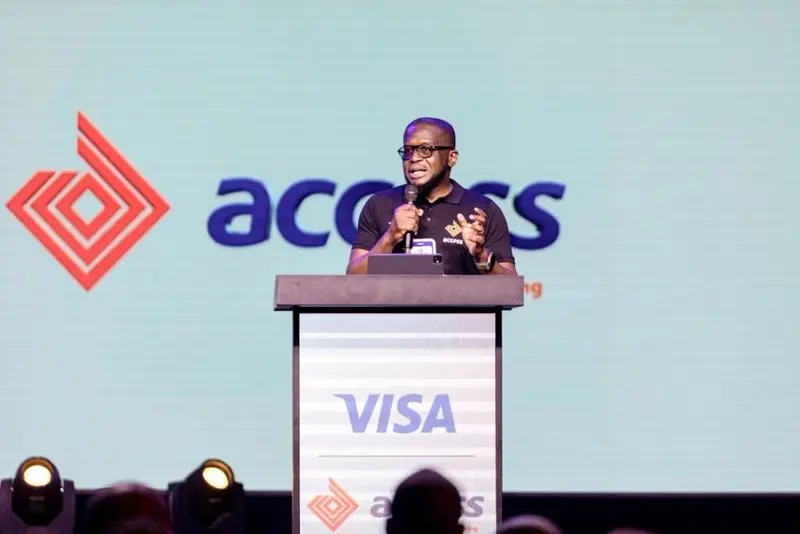
Access Bank, Visa launch 'Visa Accept' in Ghana
Could this smartphone-based payment solution finally bring Ghana's smallest traders into the digital economy?
21h ago•2 min read