FABAG Urges Mahama To Suspend Ghana Easy Pass Over Import Cost Fears
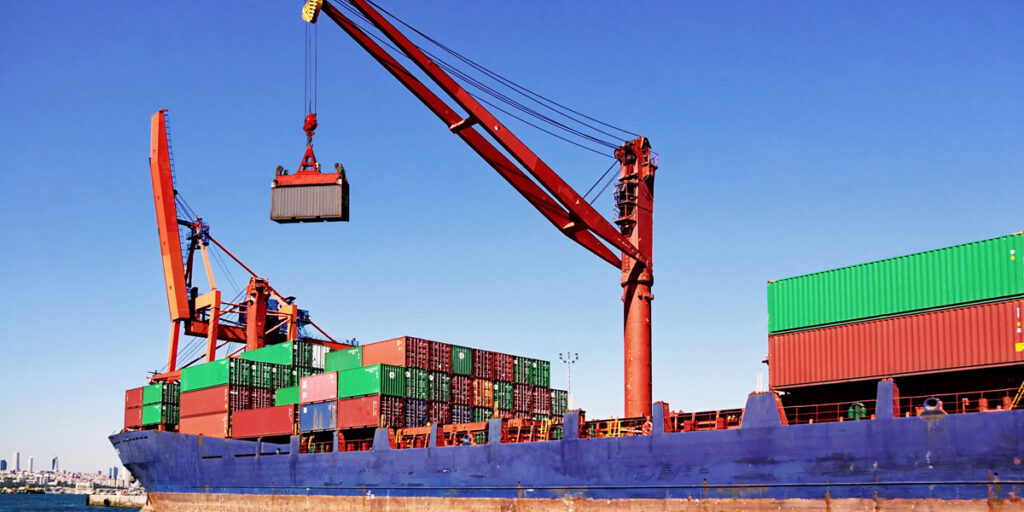
Image: GhanaFront Editorial
The Food and Beverages Association of Ghana (FABAG) has asked President John Dramani Mahama to stop the Ghana Easy Pass Programme, arguing that the new import verification regime will make trade more expensive and push costs onto consumers.
The association says the Ghana Standards Authority's planned mandatory pre-export conformity verification system for goods coming into the country will add fresh fees, delays and paperwork to an already difficult operating environment for importers, manufacturers and distributors.
In a statement issued on Monday, July 6, FABAG said the policy contradicts government's stated commitment to improve the ease of doing business, especially at a time when companies are dealing with high utility bills, expensive credit, exchange rate pressures and rising transport costs.
"Government cannot genuinely speak about improving the ease of doing business while simultaneously introducing measures that make doing business more expensive," FABAG said.
FABAG Says Existing Regulators Should Be Strengthened
The Ghana Easy Pass Programme is being presented as a conformity verification regime for imported products destined for Ghana. Under such a system, goods are checked before shipment to confirm that they meet required standards before they arrive at Ghana's ports.
FABAG, however, says Ghana already has institutions with responsibility for product safety, inspections, testing and quality assurance. It named the Food and Drugs Authority, the Ghana Standards Authority, the Ghana Revenue Authority and the Ghana Ports and Harbours Authority as bodies already involved in regulating imported goods.
The association questioned why another layer should be added when those agencies already have legal mandates to protect consumers and enforce standards.
"It is difficult to understand why government would seek to impose another layer of bureaucracy and cost on importers when existing regulatory institutions are already adequately mandated to ensure product safety and standards," the association stated.
FABAG's position is that if the current institutions have operational gaps, the right response should be to improve their capacity, not introduce a parallel process that businesses must pay for. It argued that the new programme risks duplicating work already being done by state agencies while transferring the financial burden to the private sector.
The association described the decision by the Ghana Standards Authority as one it condemns strongly, saying businesses were not asking for another compliance cost at a time when many are still adjusting to previous regulatory changes.
Importers Warn Of Higher Prices For Consumers
FABAG's central concern is cost. The group says the policy will require importers to pay additional certification fees, spend more on administration, manage possible shipment delays and absorb higher compliance expenses before goods even leave their countries of origin.
Those costs, it warned, will not remain with importers alone. FABAG said businesses operating on thin margins will eventually pass the additional burden to consumers through higher prices on imported raw materials and finished products.
"This policy is simply adding another tax by another name," FABAG said, warning that "these costs will inevitably be passed on to the Ghanaian consumer through higher prices."
The association linked the issue to Ghana's broader inflation and business climate concerns. It said government cannot claim to be fighting inflation while introducing policies that directly raise the cost of imports. It also argued that investment becomes harder to attract when firms face uncertainty over new regulatory charges.
According to FABAG, the private sector is already under pressure from several fronts, including:
- recent increases in electricity and water tariffs;
- high interest rates and expensive borrowing;
- exchange rate volatility;
- rising transport costs;
- additional compliance obligations from earlier reforms, including the AI Publican system.
The group said businesses have barely recovered from those earlier measures and cannot continue to absorb repeated cost increases without consequences for jobs, investment and consumer prices.
"The private sector cannot continue to absorb an endless stream of new costs without serious consequences for investment, employment and consumer prices," FABAG said.
Association Calls For Presidential Intervention
FABAG also expressed disappointment that government appears to be reviving a policy direction that, according to the association, had already been rejected by the business community during earlier consultations.
It said similar conformity verification programmes had faced strong opposition in the past after extensive engagement with businesses. For FABAG, bringing back a version of the same idea shows that the concerns of importers and other private sector players have not been properly addressed.
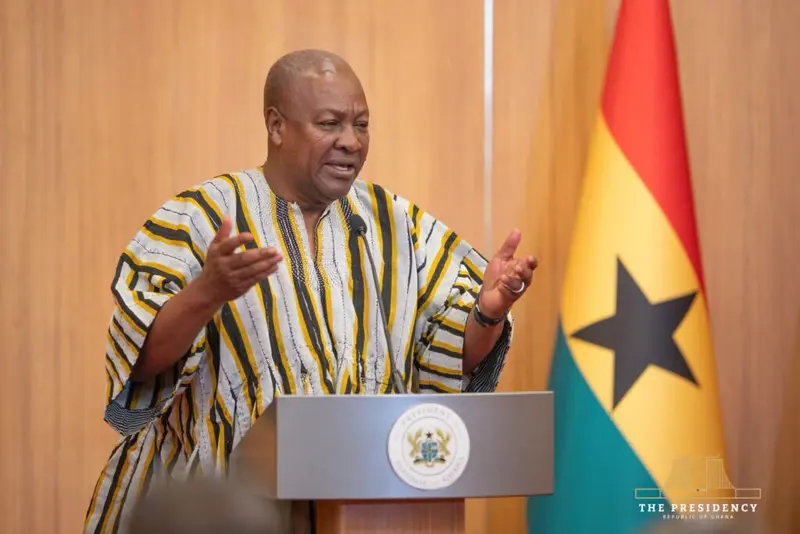
The association is now appealing directly to President Mahama to intervene. It wants the President to suspend implementation of the Ghana Easy Pass Programme and direct the Ghana Standards Authority to withdraw the policy.
FABAG is also asking for fresh consultations with the business community to find alternatives that protect consumers without imposing avoidable costs on companies. The group said product safety and quality standards remain important, but insisted that enforcement must be designed in a way that does not punish legitimate enterprise.
The association further called on business groups, importers, manufacturers and distributors to take a common position against policies that increase the cost of doing business in Ghana.
"The time has come for government to listen to the voice of businesses. Our economy does not need more bureaucracy. Our businesses do not need more costs. Our consumers do not need higher prices. Ghana needs policies that encourage enterprise, not policies that punish it," FABAG said.
The dispute places the Ghana Standards Authority's import verification plans under fresh scrutiny as government tries to balance consumer protection, standards enforcement and private sector growth. For FABAG, the immediate demand is clear: suspend the programme, return to consultation and avoid another cost layer in Ghana's import chain.
More from GhanaFront Editorial
Related Stories
More from Business & Economy

Ghana Energy Awards opens nominations for landmark 10th anniversary edition
A decade of energy excellence - who will be recognised as Ghana's power players in this landmark edition?
5d ago•