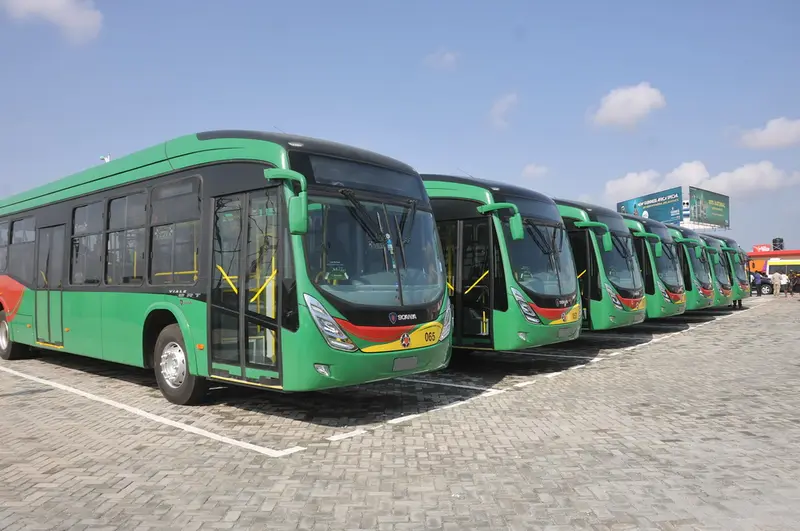
Commuter Chaos and Submerged Streets: Torrential Rains Batter Accra and Lomé
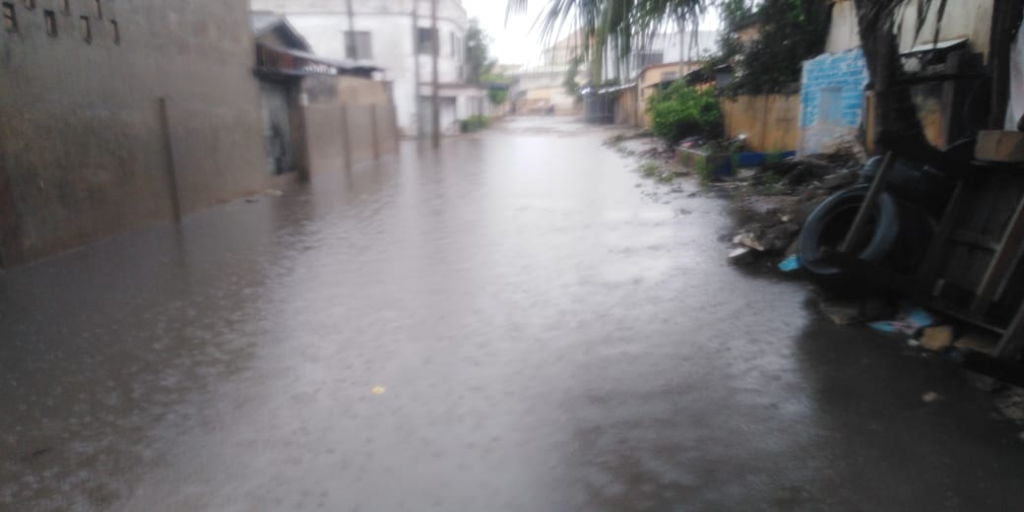
Image: GhanaFront Editorial
Coastal Belt Submerged: A Monday Morning of Chaos
A relentless weather system sweeping across the West African coastline has brought normal life to a grinding halt in multiple major cities this Monday morning. Heavy rainfall, which began late Sunday night and persisted well into June 29, has triggered widespread flooding across parts of Togo and Ghana, leaving residents stranded and commuters deeply frustrated.
The downpour, born from a moderate rainstorm initially spotted along the Togo-Benin coastline, aggressively pushed westwards. By the early hours of Monday, the impact was severely felt across the entire coastal belt, turning routine morning commutes into daunting navigational challenges for thousands of citizens. From the bustling commercial streets of Lomé to the densely populated suburbs of Accra, the narrative remains identical: submerged roads, stalled vehicles, and anxious citizens watching floodwaters rise towards their doorsteps.
Meteorological experts and environmental scientists have long warned about the vulnerability of the region during the peak rainy season, yet the sheer intensity of this particular storm system appears to have caught many off guard. As local authorities scramble to respond to distress calls, the broader implications for regional trade, daily economic activities, and public safety are becoming increasingly apparent to all stakeholders.
Lomé Bears the Initial Brunt
In the Togolese capital of Lomé, the situation deteriorated rapidly as dawn approached. Several communities found themselves completely overwhelmed by rising waters. Reports gathered from the ground indicate that both central commercial districts and peripheral residential neighborhoods have been heavily impacted, essentially paralyzing the city's internal movement and forcing businesses to remain shut.
Key areas currently grappling with severe inundation include:
- Kodjoviakopé -- A bustling hub in the city centre now grappling with severely waterlogged commercial spaces.
- Nyekonakpoé -- Another central district where residential compounds have been breached by invasive floodwaters.
- Djagblé -- A peripheral community where poor drainage infrastructure has exacerbated the pooling of rainwater.
- Adétikopé -- An area on the outskirts of the capital experiencing significant infrastructural strain and property damage.
"The rain began at about 3:00 am on Monday in the capital, and was still falling heavily as of 10 am. The sheer volume of water is something we have not seen in recent weeks." -- Blame Ekou, Togolese Journalist
The prolonged nature of the downpour has sparked significant anxiety among residents living in low-lying areas of Lomé. With the ground already heavily saturated from previous seasonal showers, locals are closely monitoring water levels. Many fear that any further precipitation could lead to catastrophic property damage and massive displacement of vulnerable families. Small business owners in the affected areas have been forced to keep their shops firmly closed, prioritizing the safety of their merchandise and families over daily earnings.
Accra Commuters Face Unprecedented Gridlock
As the weather system tracked westward, Ghana's capital, Accra, was not spared the deluge. The morning rush hour quickly transformed into a logistical nightmare for the working populace. Thousands of commuters across the city and its sprawling suburbs found themselves trapped in severe traffic congestion that stretched for kilometers, with many arriving at their workplaces hours behind schedule.
Hours of continuous, pounding rainfall compromised several major arterial roads, rendering some completely impassable and forcing vehicles to navigate treacherous, waterlogged streets. The disruption to the capital's transport system highlights the perennial vulnerabilities of the city's drainage infrastructure when subjected to intense, concentrated weather events. Commuters on the typically busy highways and connecting routes reported agonizing delays as traffic crawled at a snail's pace.
Citizens waiting for public transport -- locally known as trotros -- were left stranded under flimsy bus shelters at major municipal transport terminals. Meanwhile, private vehicle owners recorded numerous engine stalls in unexpectedly deep puddles, further exacerbating the traffic gridlock as broken-down vehicles blocked active lanes. The economic cost of these lost productive hours is yet to be fully quantified, but for the daily wage earner and the informal sector worker, the disruption translates directly into lost vital income.
Meteorological Warnings and GMet Forecasts
The unfolding scenario aligns perfectly with earlier alerts issued by the Ghana Meteorological Agency (GMet). The agency had accurately forecast widespread thunderstorms and rain across southern Ghana for Monday, June 29, urging citizens and emergency services to adequately prepare for widespread disruptions.
According to GMet's detailed 18-hour weather forecast, the primary catalyst for this flooding event is a weak to moderate rainstorm that originated along the Togo-Benin coastline. As this system gathered momentum and moved westwards over the warm Gulf of Guinea waters, it brought increased cloud cover and highly unsettled weather conditions to the entire sub-region, extending its reach deep into the Ghanaian interior.
GMet officials noted that rainfall of varying intensity -- accompanied sporadically by intense thunderstorms -- was expected to persist throughout the entire day. They explicitly warned that the weather system would likely become more active from the morning transitioning into the afternoon as it fully settled over the southern half of the country. This precise forecasting underscores the critical importance of early warning systems, even if infrastructural deficits currently prevent the total mitigation of the floods.
Public Health Concerns and Urban Planning Deficits
Beyond the immediate traffic chaos and property damage, public health officials are raising alarms about the aftermath of the floods. Stagnant floodwaters mixed with overflow from choked, open drains pose a severe risk of waterborne diseases, including cholera and typhoid, which frequently plague the region during the wet season. Residents are being advised to boil their drinking water and ensure proper sanitation practices to prevent potential outbreaks.
The synchronized flooding in both Lomé and Accra serves as a stark, unavoidable reminder of the shared infrastructural and environmental challenges facing West African coastal cities. Rapid and largely unregulated urbanization, combined with inadequate drainage networks, choked gutters filled with plastic waste, and the encroaching effects of shifting global climate patterns, continues to leave these vital economic hubs deeply vulnerable to sudden weather extremes.
Urban planning experts consistently point out that building over natural waterways and the poor disposal of solid waste heavily contribute to the rapid flooding seen during such downpours. Until these systemic issues are addressed with rigorous spatial planning, political will, and strict enforcement of sanitation by-laws by local municipal assemblies, cities along the Gulf of Guinea will remain perpetually at the mercy of the rainy season.
For now, emergency management organizations, the National Disaster Management Organisation (NADMO) in Ghana, and local authorities in both capitals are urgently appealing for maximum caution. Residents are strongly advised to avoid all unnecessary travel, stay completely clear of fast-moving floodwaters, and remain highly alert to further updates from meteorological authorities as the formidable storm continues its slow westward trajectory.
More from GhanaFront Editorial
Related Stories
More from Regional
GH¢300 million Big Push electricification project to connect 90 communities in Oti region
A major electrification push targets 90 Oti communities - but what challenges could delay the six-month timeline?
3d ago•