Ceasefire with Israel brings respite to Lebanon, but obstacles to peace remain
Israel and Hezbollah began a ceasefire at midnight in Beirut. Gunfire and fireworks celebrated the start of the ceasefire. Crowds gathered along roads leading to Lebanon's south, waving the group's yellow flag as they started their journey back.
The ceasefire is initially for 10 days after six weeks of conflict. More than 2,100 people have been killed, according to Lebanese health authorities, and over a million, or roughly one in five of the population, have been displaced. Some towns and villages near the border remain under Israeli occupation. In the Hezbollah-controlled southern suburbs of Beirut, the streets remained relatively quiet. Some displaced families living in improvised tents in the city's waterfront said they feared returning. Wafiq Safa, a high-ranking member of Hezbollah's political council, said the group would "never, ever" disarm. He also said there "can be no separation" between Hezbollah and Iran, describing the relationship as "two souls in one body". President Joseph Aoun has said disarmament cannot be delivered by force, warning of the possibility of violence, and that it would require negotiations with the group.
According to the deal, Israel may even continue to attack Lebanon, citing security concerns. Donald Trump seems to hope that this could be the beginning of a process to normalise relations between Israel and Lebanon.
Quick Summary
A ceasefire between Israel and Hezbollah brings a pause to the conflict in Lebanon. The deal brokered by the US leaves open questions about the future and stability of the region - what could happen next?
Summary - read the full story for complete context.
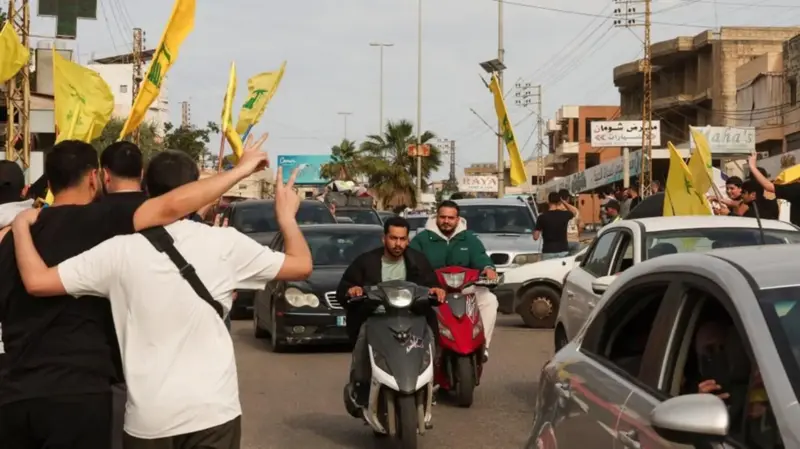
Image: MyJoyOnline
GhanaFront aggregates news from trusted sources. Click to read the original article.
Keywords
Explore related tagsMore from MyJoyOnline
Related Stories
More from Regional

Ngleshie Alata installs Nifahene as Paramount Chief calls for peace, integrity
A new chief takes office, but the Paramount Chief's warning to all traditional leaders could reshape local governance.
1d ago•