100 fire officers undergo specialised emergency care training
Ghana's National Fire Service, often seen battling blazes and rescuing citizens from precarious situations, is expanding its role beyond traditional firefighting. A partnership with the Elijeko Foundation has brought specialized training to a segment of its personnel, focusing on the crucial moments before a patient reaches a hospital. This initiative highlights the evolving demands placed on first responders and the increasing importance of pre-hospital care in a nation striving to improve its healthcare outcomes.
The need for enhanced emergency medical response in Ghana is underscored by several factors. Road accidents, unfortunately frequent occurrences, often result in severe injuries requiring immediate attention. Beyond vehicular incidents, everyday emergencies in homes, workplaces, and public spaces necessitate skilled individuals capable of providing initial care. Historically, access to prompt and effective pre-hospital care has been a challenge in many parts of Ghana, particularly in rural areas. This training program signals a move towards addressing these gaps, recognizing that the minutes following an injury can be critical in determining a patient's survival and long-term well-being. The emphasis on skills like bleeding control and CPR reflects a commitment to equipping fire officers with the tools to make a tangible difference in these critical moments.
Several key players are invested in the success of this initiative. The Ghana National Fire Service, as the primary recipient of the training, stands to benefit from enhanced capabilities and improved public perception. The Elijeko Foundation, a non-profit organization, is demonstrating its commitment to strengthening emergency response systems within the country. Participants in the program, drawn from the Tema Regional Headquarters and the National Headquarters, represent a vital link in the chain of emergency care. The stakes are high, as the effectiveness of this training will ultimately be measured by its impact on casualty outcomes and the overall efficiency of emergency response operations. The collaboration also highlights the growing role of NGOs in supplementing government efforts to improve public services.
Several questions remain as this program unfolds. How will the newly acquired skills be integrated into the Fire Service's standard operating procedures? What mechanisms will be put in place to ensure that these skills are maintained and updated over time? Will this initial training program be expanded to include more fire officers across the country? And perhaps most importantly, how will the impact of this training be measured in terms of lives saved and improved patient outcomes? The answers to these questions will determine the long-term success of this initiative and its potential to serve as a model for other emergency response agencies in Ghana.
Quick Summary
The Ghana National Fire Service partnered with the Elijeko Foundation to train officers in pre-hospital emergency care. The training aims to equip them with skills to manage injured victims - before they reach health facilities.
Summary - read the full story for complete context.
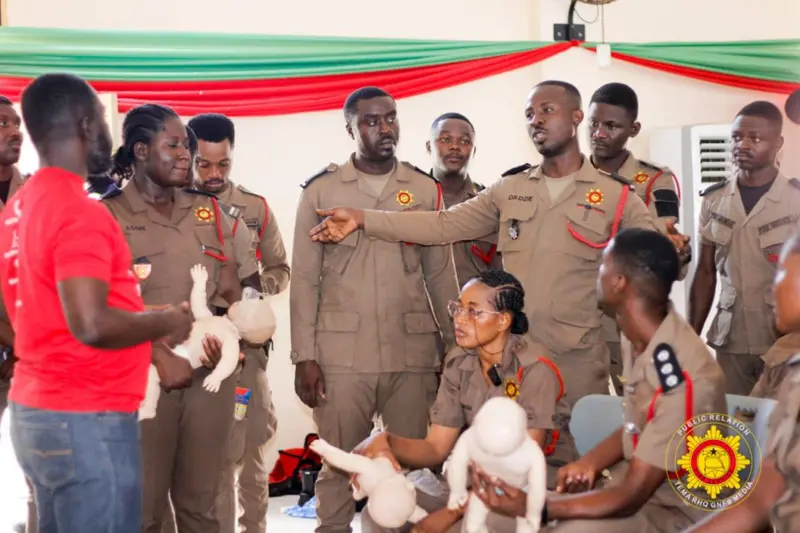
Image: Adom Online
GhanaFront aggregates news from trusted sources. Click to read the original article.
Keywords
Explore related tagsMore from Adom Online
Related Stories
More from Health
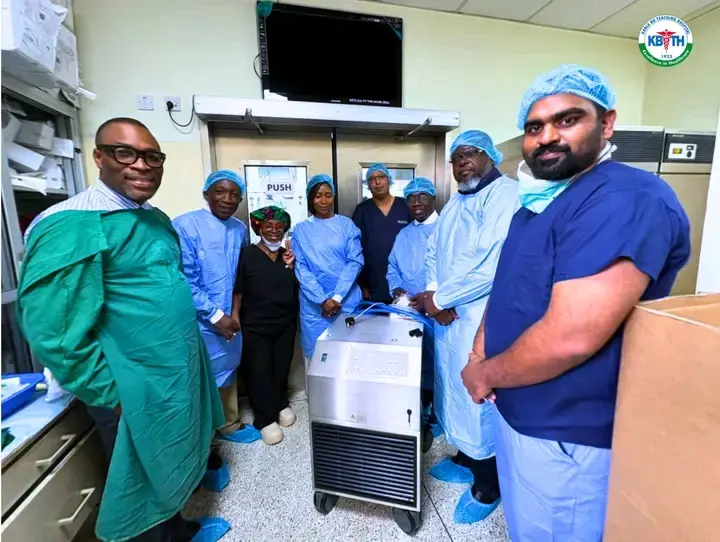
Quantum LC donates €75,000 state-of-the-art heater-cooler unit to National Cardiothoracic Centre
A major medical upgrade arrives at Ghana's heart surgery hub - but what does it mean for patients?
1d ago•