Mahmud Mohammed-Nurudeen Earns Continental Climate Media Honour
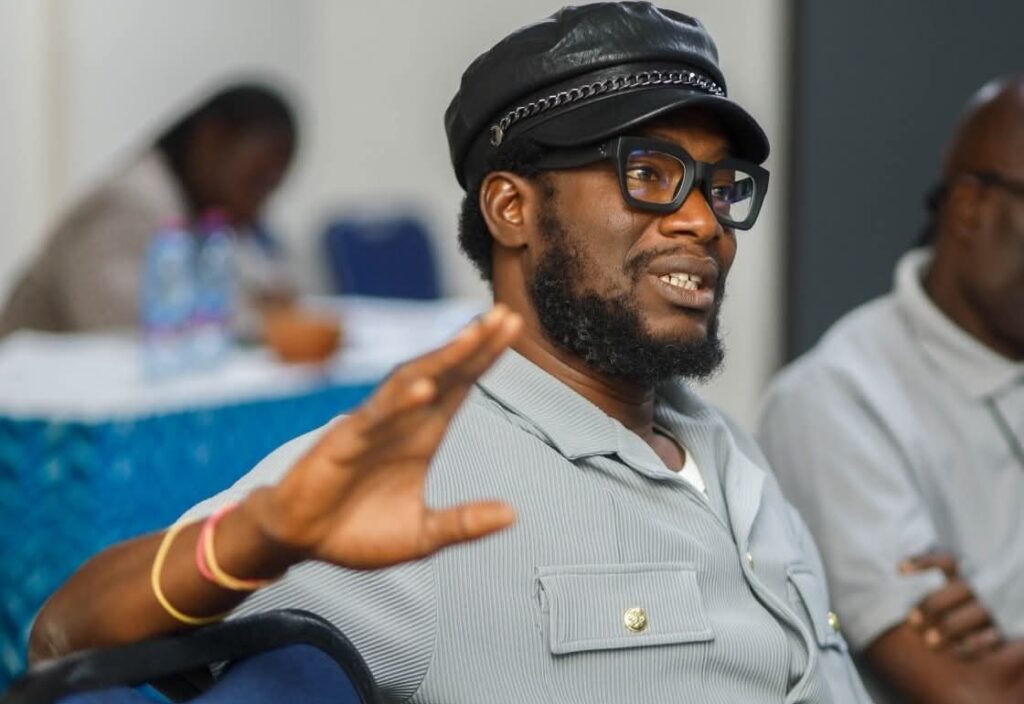
Image: GhanaFront Editorial
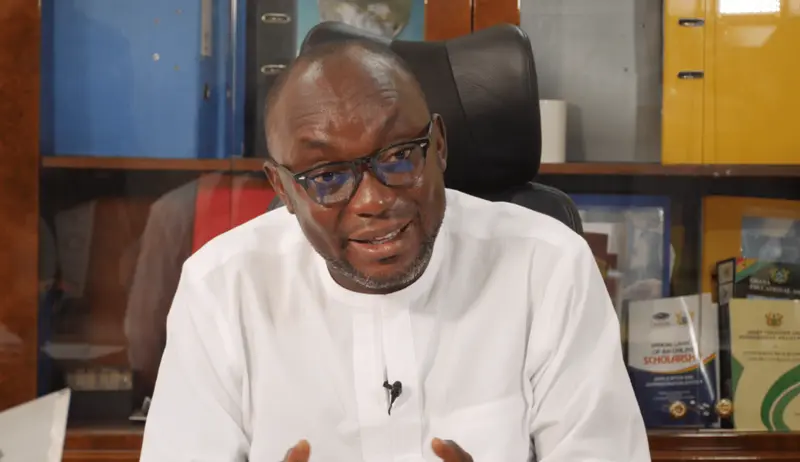
Ghanaian climate journalist Mahmud Mohammed-Nurudeen is heading to Addis Ababa with continental recognition in sight after the African Meteorological Society selected him for an award that celebrates strong climate communication and public education.
The honour, approved by the Society's Board after a recommendation from its Awards Committee, shines a spotlight on years of reporting that have pushed climate issues into everyday public conversation. It also places Ghana's environmental journalism on a bigger African stage at a time when extreme weather, food insecurity and public health risks are tightening their grip on communities across the continent.
"Exceptional commitment to enhancing public understanding of these critical issues, particularly in the context of Ghana and beyond."
That was how the African Meteorological Society described Mohammed-Nurudeen's work in its official communication announcing the recognition. The citation focused on his ability to take dense scientific material and turn it into stories that ordinary people can understand and act on.
Climate reporting that speaks to everyday life
Mohammed-Nurudeen, a science and climate journalist with JoyNews, has built his reputation by reporting on the practical consequences of climate change rather than treating the subject as an abstract scientific debate. His work has repeatedly connected changing weather patterns to the struggles of farmers, the risks faced by flood-prone urban communities, and the growing pressure on food systems and health outcomes.
That editorial strength has been especially visible through Climate Focus, the climate-centred programme on JoyNews television, radio and digital platforms where he serves as one of the lead producers. Through that platform, he has reported on adaptation efforts, mitigation strategies and the lived experiences of people facing environmental shocks in different parts of Ghana.
His stories have tracked prolonged dry spells, urban flooding, early warning systems, environmental degradation and the way erratic rainfall disrupts livelihoods. In doing so, the reporting has helped move climate coverage away from elite conference language and closer to the realities facing homes, farms and local economies.
That matters because climate journalism is only useful when people can see themselves in the story. Mohammed-Nurudeen's work has consistently done that. It has linked scientific findings to market prices, harvest losses, disease risks and household resilience. It has also amplified the concerns of rural and underserved communities that often struggle to break into the centre of national policy debate.
Why the award matters beyond one journalist
The award is more than a personal milestone. It is a statement about the growing value of climate journalism in Africa's public life. The African Meteorological Society is recognising not just strong newsroom work, but a form of reporting that now sits at the centre of development, governance and accountability.
Across Africa, climate change is no longer a distant warning. It is showing up in damaged crops, water stress, flooding, heat exposure and fragile health systems. In that environment, journalists who can interpret climate science accurately and clearly are performing a public service with direct national consequences.
The Society's recognition of Mohammed-Nurudeen reflects that urgency. According to the citation, the Awards Committee specifically praised his consistency in translating complex climate science into compelling and accessible public-interest journalism. That skill is not cosmetic. It is central to how communities understand risk and how institutions are pressured to respond.
- His reporting has tied climate science to agriculture, health and livelihoods.
- It has highlighted vulnerable communities facing drought, floods and food insecurity.
- It has pushed climate issues into broader public and policy conversations.
- It has shown how media can drive awareness, accountability and advocacy.
For Ghana, that is significant. The country is confronting recurring flooding, pressure on agricultural production and the broader economic effects of environmental stress. Public understanding cannot depend only on technical agencies and policy documents. Journalism has to do part of the work, and it has to do it well.
That is why this recognition carries weight. It affirms that climate reporting in Ghana can shape continental conversations and meet high professional standards. It also sends a message to newsrooms that environmental coverage deserves investment, prominence and editorial seriousness.
Addis Ababa ceremony puts Ghana in the continental conversation
The award will be presented on Tuesday evening, April 22, 2026, during the African Meteorological Society Awards Banquet in Addis Ababa, Ethiopia. The event is expected to bring together meteorologists, climate scientists, policymakers and communication experts from across the continent.
That setting matters. Climate communication works best when journalism, science and policy are not operating in separate rooms. Mohammed-Nurudeen's recognition at a gathering of experts and decision-makers underlines the role of media as a bridge between technical knowledge and public action.
It also places him among a growing class of African journalists whose work is influencing climate discourse beyond conventional newsroom boundaries. These are reporters not simply documenting events, but helping shape how societies understand environmental risk, responsibility and response.
In Ghana, his reporting has repeatedly shown that climate change is not just an environmental story. It is an agriculture story, a health story, a livelihoods story and, increasingly, a governance story. That broad framing is one reason his work has resonated. It meets the audience where the impact is being felt.
The award will be formally presented in Addis Ababa on April 22, 2026, during the AfMS Awards Banquet.
The recognition comes at a moment when misinformation, policy gaps and escalating environmental stress continue to complicate Africa's response to the climate crisis. In that climate, strong reporting does more than inform. It counters confusion, raises pressure on institutions and gives vulnerable communities a louder voice.
For young journalists, there is another clear lesson in Mohammed-Nurudeen's achievement. Impact still counts. Serious reporting still travels. And work rooted in public interest can earn respect far beyond national borders.
For Ghanaian media, the moment should be seen as both a celebration and a challenge. The celebration is obvious: one of the country's journalists is being honoured for turning climate reporting into meaningful civic work. The challenge is whether more newsrooms will treat the climate beat with the consistency and ambition the issue demands.
Mohammed-Nurudeen's journey to this award reflects years of field reporting, difficult assignments and a commitment to stories that many audiences now recognise as urgent. The honour in Addis Ababa confirms what his reporting has already shown: climate journalism done well is not a niche. It is essential public service journalism.
That is the larger significance of this moment. A Ghanaian journalist is being recognised because he made climate science understandable, relevant and impossible to ignore. On a continent facing mounting environmental pressure, that kind of work does not just deserve applause. It deserves to be multiplied.
More from GhanaFront Editorial
Related Stories
More from Health
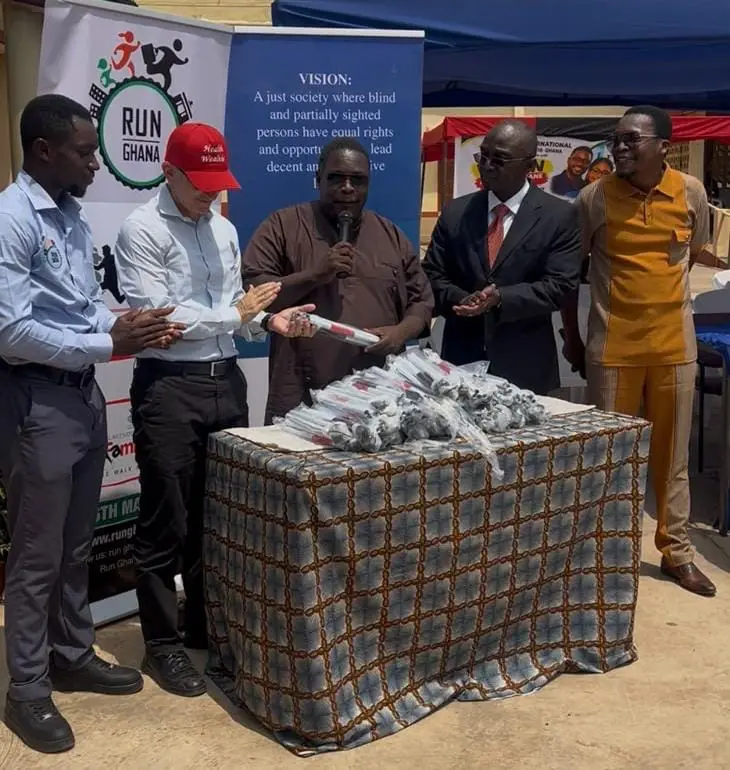
Global Media Alliance and Japan Motors support Ghana Blind Union with 60 white canes
A new donation aims to empower visually impaired Ghanaians - but what makes this gesture truly unique?
2d ago•