Accra Media Conference Pushes Ghana Newsrooms To Adapt For Digital Future
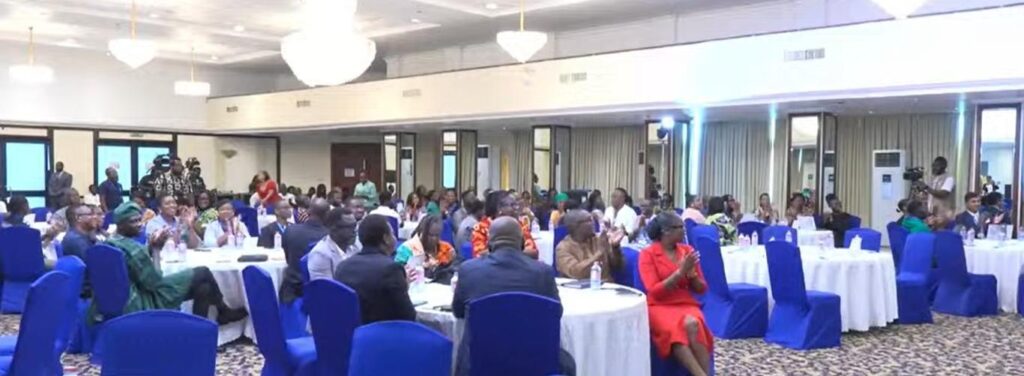
Image: GhanaFront Editorial
Ghana's media industry has been urged to confront the pace of digital disruption with clearer strategy, stronger training systems and deeper collaboration between newsrooms, universities, regulators and technology players.
That call framed the opening of the Media Convergence Conference in Accra on Wednesday, 29 April 2026, where academics, journalists, policymakers, media executives, digital entrepreneurs and communication students gathered to examine the future of journalism in the country.
The one-day conference, organised by the Africa Media Bureau, is being held under the theme, "The Future of Media Practice, Education and Policy in Ghana." Its focus is direct: how Ghana's media ecosystem can adapt as audiences move faster toward digital platforms and as traditional business models come under pressure.
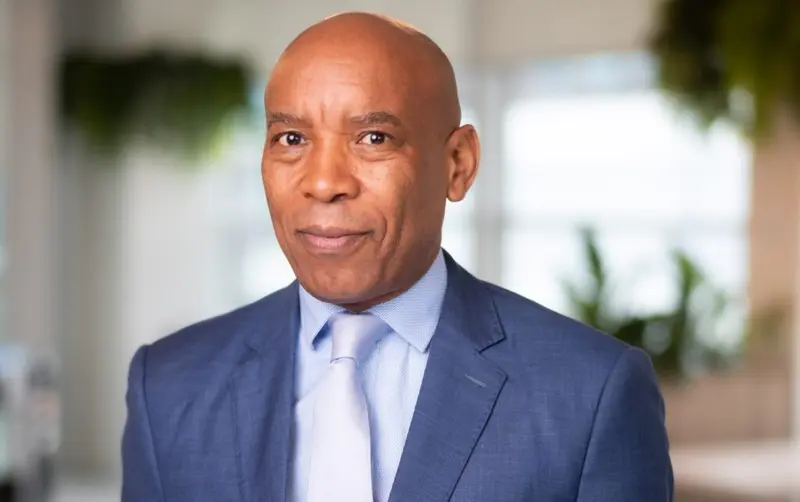
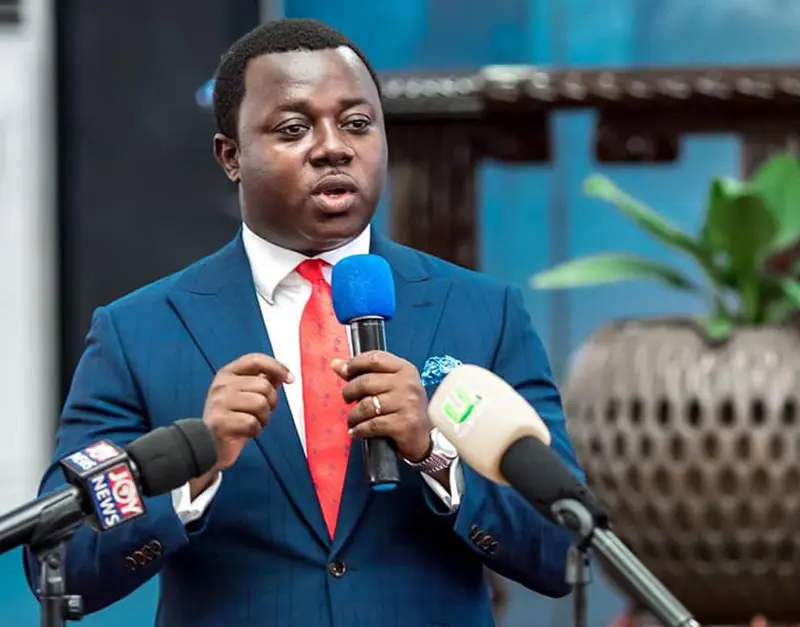
"Technology has transformed how stories are told, how audiences engage and how media businesses survive and thrive," Samuel Attah-Mensah, Managing Director and CEO of Channel One TV and Citi FM, told participants.
Digital shift puts old media models under pressure
The conference comes at a time when radio, television and print organisations are being forced to rethink how they produce, distribute and earn from content. The old model of waiting for audiences to tune in, buy newspapers or rely solely on scheduled broadcasts is no longer enough in a market where mobile phones, social platforms, streaming tools and digital analytics shape daily media consumption.
Participants examined the changing relationship between traditional media and emerging digital technologies, with particular attention on how content now travels across multiple platforms at once. A story may begin in a newsroom, but its life often extends through social media clips, livestreams, podcasts, newsletters, search engines and user-generated commentary.
For Ghanaian media houses, that shift presents both risk and opportunity. It threatens organisations that are slow to adapt, but it also opens new paths for audience reach, multimedia storytelling and more targeted engagement.
Organisers described the gathering as more than a forum for diagnosing the sector's problems. The aim is to develop practical recommendations that can guide policy, education and industry reform as convergence becomes the operating reality rather than a future prediction.
Samuel Attah-Mensah said the discussions must help the country move beyond simply observing change. He said the conference is about shaping the future by bringing academia and industry together to ask whether Ghana is preparing the next generation of media professionals for the realities ahead.
"Are we preparing the next generation of media professionals to embrace the realities of tomorrow? Are our newsrooms adapting fast enough? And how do we ensure that our ethics, credibility and public trust remain the centre of innovation?" he asked.
Media schools challenged to close skills gap
A key concern running through the conference is the gap between what is taught in communication schools and what modern newsrooms now demand. Speakers and participants raised questions about whether current academic curricula are keeping pace with the practical, technological and ethical needs of a converged media environment.
Final-year communication students were among the participants, alongside lecturers, deans, newsroom leaders and regulators. Their presence highlighted the urgency of preparing graduates for an industry where a journalist may be expected to report, shoot video, edit audio, analyse audience metrics, verify digital content and understand platform behaviour.
Stakeholders called for stronger cooperation between universities and media organisations. Proposals discussed included better internship systems, joint research projects, industry-led curriculum reviews and more practical exposure for students before they enter the profession.
Professor Abena Animwaa Yeboah-Banin of the University of Ghana was among the notable speakers. Her contribution focused attention on the need to connect academic research with the everyday realities of media practice. Her work in brand communication, media development and gender representation added a wider lens to the discussion about how media transformation affects both institutions and audiences.
The education question is not only about technical skills. Participants also stressed the importance of ethics, credibility and public trust in a media space where misinformation, speed and platform incentives can distort journalism. As newsrooms adopt new digital tools, the core principles of verification, fairness, accountability and public interest reporting remain essential.
- Universities are being urged to review communication curricula for the digital age.
- Newsrooms are being encouraged to provide structured internships and practical mentorship.
- Regulators and policymakers are expected to support ethical frameworks suited to converged media.
- Students are being challenged to develop multimedia, analytical and entrepreneurial skills.
Revenue, trust and newsroom adaptation dominate agenda
The economics of journalism formed another major part of the conversation. Traditional advertising revenue has weakened for many media organisations as brands shift spending to digital platforms and as global technology companies dominate online attention and advertising infrastructure.
George Twumasi, CEO of ABN Holdings and co-founder of the Africa Public Interest Media Initiative, addressed the tension between declining traditional audiences and growing digital consumption. His keynote touched on platform dominance, newsroom adaptation and what traditional media institutions must learn and unlearn in order to remain relevant.
The point is especially important for Ghana, where many media houses still depend heavily on advertising while digital monetisation remains uneven. Participants discussed the need for diversified revenue models, including digital subscriptions, branded content, platform partnerships and other sustainable approaches that do not compromise editorial independence.
Panel sessions explored Ghana's convergence journey from radio and print to multimedia newsrooms. Other discussions focused on metrics, monetisation and sustainability in the converged media market, as well as media education in a converged world.
The rise of data analytics was also part of the debate. Newsrooms now have access to detailed information about audience behaviour, including what people read, watch, share and ignore. Used properly, such data can help editors understand audience needs and improve content strategy. Used poorly, it can push journalism toward click-chasing and weaken public interest reporting.
That is why several speakers placed ethics at the centre of innovation. Ghana's media transition cannot be reduced to adopting new tools or chasing traffic. It must also protect accuracy, independence and the trust that gives journalism its public value.
Organisers are expected to issue a communique after the conference, setting out recommendations on media convergence, education and policy reform. The proposals are expected to cover curriculum updates, institutional partnerships and ethical guidelines for the digital era.
The wider expectation is that the conference will help build a shared understanding of Ghana's media convergence reality and create stronger links between the institutions shaping journalism's future. For an industry facing pressure from technology, changing audiences and fragile revenue streams, the message from Accra was clear: adaptation is no longer optional.
More from GhanaFront Editorial
Related Stories
More from Technology

NCA awards 700MHz spectrum to MTN Ghana for US$109.9m
MTN outbids rivals for key spectrum, but what happens next in the 5G race?
1d ago•2 min read