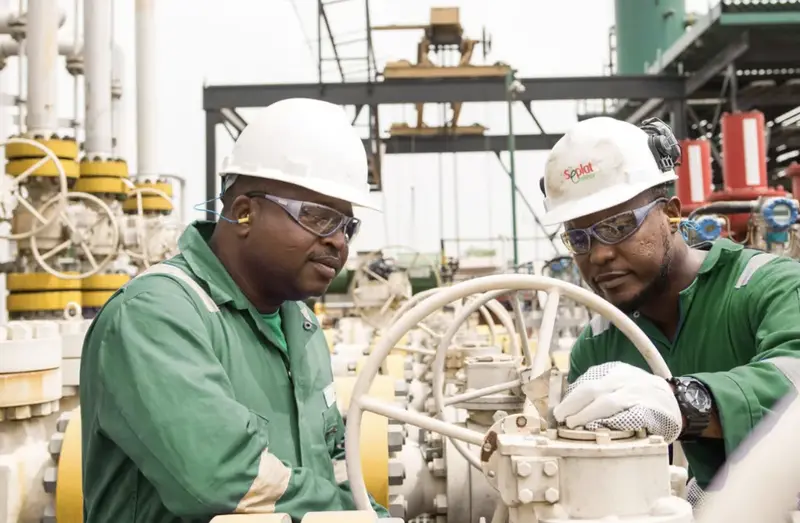
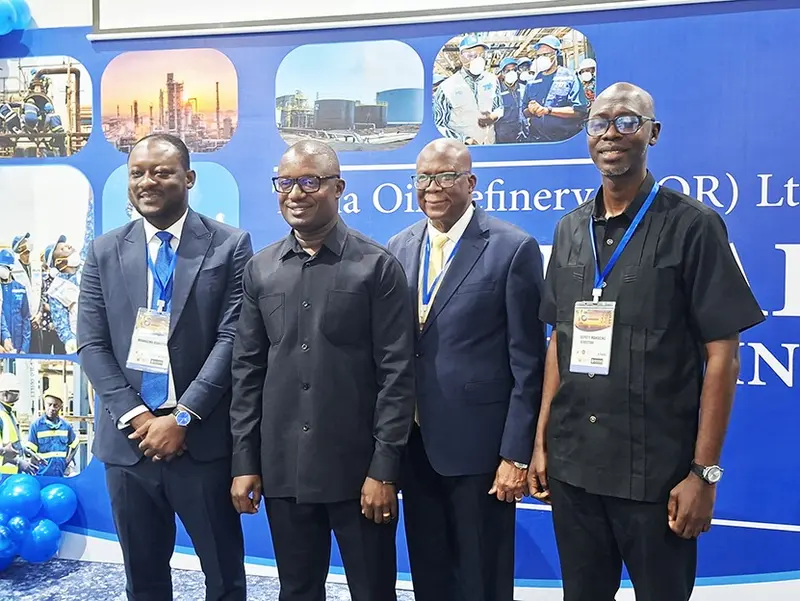
Why were workers at Nigeria's largest independent oil and gas producer ready to strike?
Nigeria's Seplat Energy faced potential disruptions as its workers considered industrial action. The situation raised concerns for the company and the broader energy sector - with implications for production and supply.
Aramco's uncertainty highlights a shift: Is Iran, not the US, now key to reopening global energy markets?
Tensions in the Middle East are disrupting global energy markets, involving Iran, the US, and Saudi Arabia. The ability of one nation to impact shipping routes raises questions about long-term stability - and who truly holds the power.
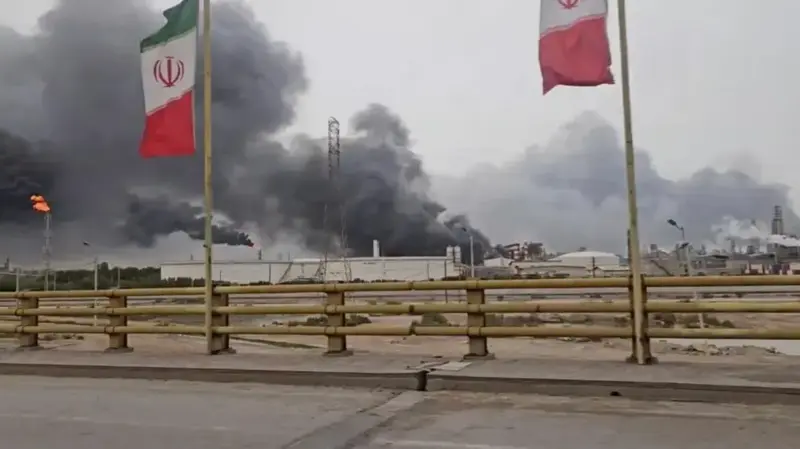
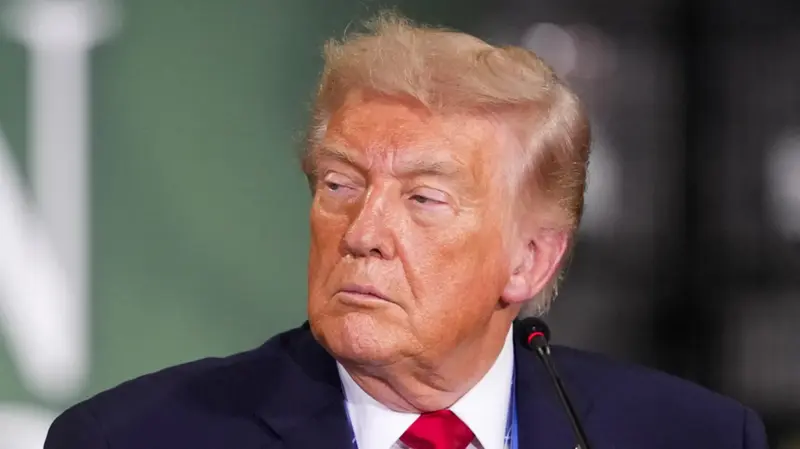
Trump issues an ultimatum to Iran - but what will happen if his demand isn't met?
Donald Trump issued a strong threat to Iran regarding the Strait of Hormuz, demanding its immediate reopening. The situation escalates tensions in the region - with potentially far-reaching economic consequences.
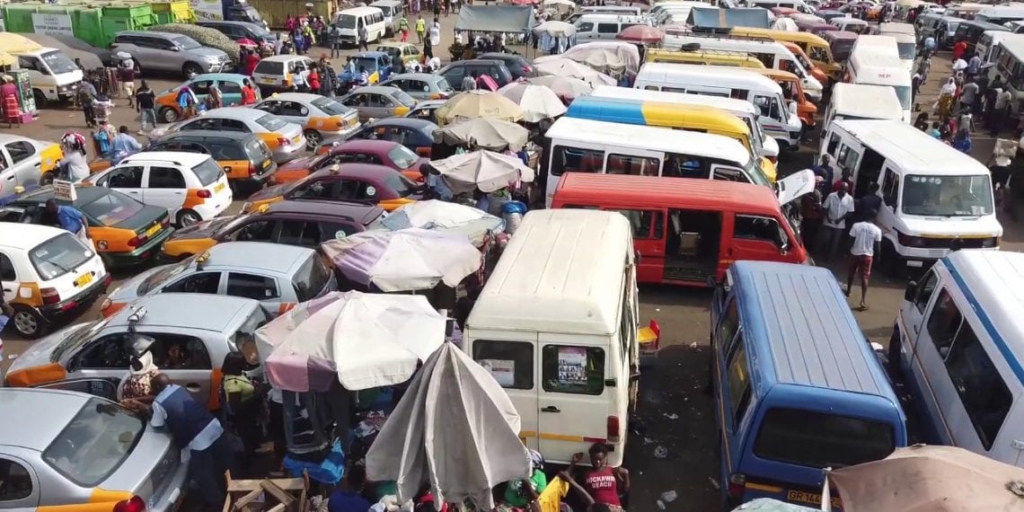
The GPRTU urges drivers across Ghana to exercise patience as the union prepares for a key Tuesday meeting with the Minis
The GPRTU urges drivers across Ghana to exercise patience as the union prepares for a key Tuesday meeting with the Ministry of Transport to finalise transport fare review decisions.
Afreximbank unveils a US$10B programme to help Africa and CARICOM cope with Middle East conflict fallout - but how?
Afreximbank is launching a programme aimed at shielding African and CARICOM economies from the escalating conflict in the Middle East. The US$10 billion Gulf Crisis Response Programme (GCRP) hopes to address economic shocks - but what challenges will it face?
The IMF warns of hidden risks in global credit markets- could the Middle East war trigger a financial crisis?
The IMF is sounding the alarm about the war in the Middle East and its potential impact on the global economy. The apparent calm in financial markets may be masking vulnerabilities- but what could happen if the war escalates?
The Iran war has caused economic disruption, but some companies are seeing record profits. Which sectors are booming?
The conflict in Iran has created uncertainty and disruption, impacting firms, families, and governments worldwide. While some struggle, certain sectors are seeing record earnings- but who is profiting from the ongoing crisis?
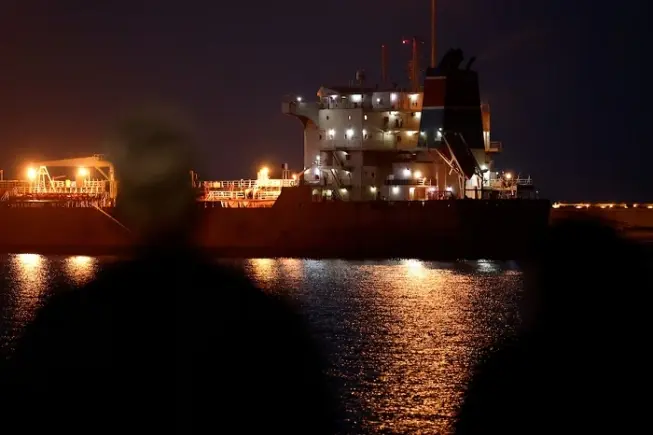
A fragile ceasefire is in place, but why are ships still reluctant to cross the Strait of Hormuz?
Tensions remain high around the Strait of Hormuz- a vital shipping lane- despite a US-Iran ceasefire agreement. Vessels are proceeding with caution, and the disruption is sending shock waves- but how far will they reach?
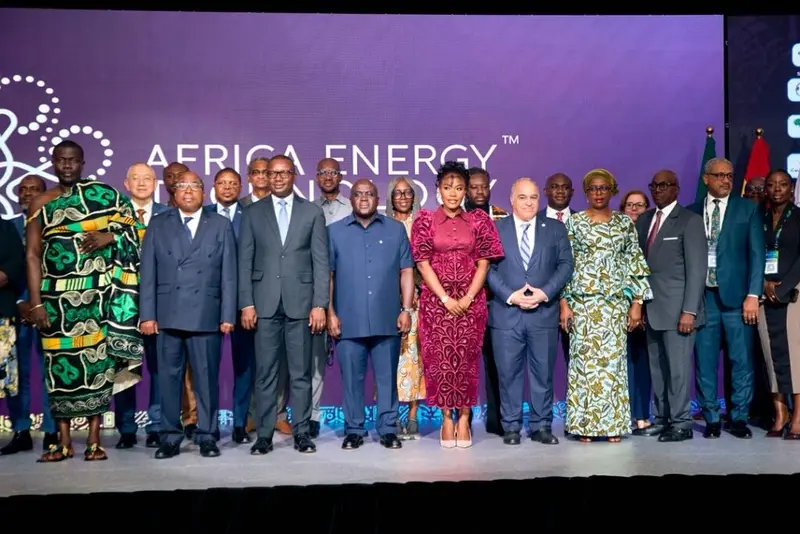
Can the Africa Energy Technology Centre's initiatives restructure the continent's energy architecture?
The Africa Energy Technology Conference (AETC 2026) convened in Accra, Ghana, to address Africa's energy paradox- vast resources overshadowed by energy poverty. AETC aims to transition Africa into an integrated economy, but regional value chains remain theoretical without integrated energy systems.
BYD says it's doing great without the US market - but can that last? Find out more...
Chinese EV-maker BYD is thriving, despite being largely shut out of the US market- a situation that bucks the trend. The company is now focused on meeting demand in other regions- but what challenges might they face?
A Finance Committee member says there's room to cut fuel taxes - but is it really that simple?
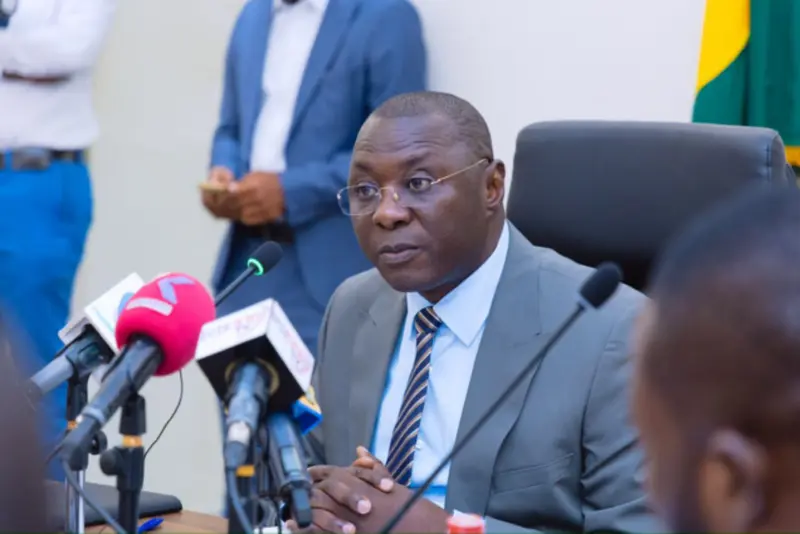
Dr. Mohammed Amin Adam suggests reducing petroleum taxes won't hurt the 2026 budget, despite rising fuel prices. He claims the government benefits from higher crude oil prices - but what does this mean for the average Ghanaian?
A leading finance expert insists there's room to maneuver on fuel taxes - but how?
Dr. Mohammed Amin Adam says reducing petroleum taxes won't affect the 2026 budget- despite concerns about rising fuel prices. He claims the government has undisclosed revenue gains that could offset potential losses- but what are they?