World Bank commits to sustained investment in Ghana's education sector
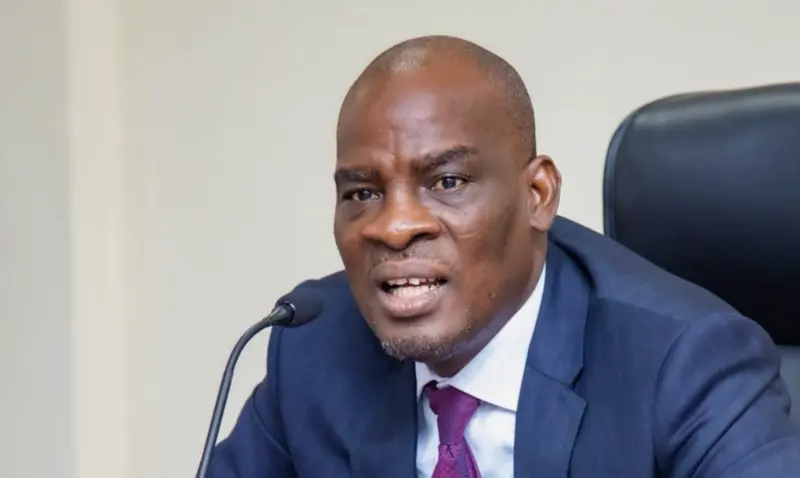
The Osu Manhean Basic School in Accra recently played host to a high-profile visitor, a figure deeply involved in international finance and development. This visit occurred amidst ongoing efforts to bolster Ghana's education system, particularly at the foundational level. Simultaneously, key figures within Ghana's Ministry of Education have been engaged in discussions and collaborations with international partners, seeking to enhance the quality and accessibility of education for all Ghanaian children. The focus has been on initiatives aimed at improving learning outcomes and ensuring that more children have the opportunity to receive a solid basic education.
Education in Ghana has long been recognized as a cornerstone of national development. Historically, the country has faced challenges in ensuring equitable access to quality education, particularly in underserved communities. Over the years, various governments and international organizations have implemented programs aimed at addressing these challenges, focusing on teacher training, provision of learning materials, and strengthening accountability within the education system. The emphasis on foundational learning - literacy and numeracy - reflects a global understanding that these skills are crucial for future academic success and economic empowerment. Ghana's commitment to improving its education sector aligns with broader Sustainable Development Goals, particularly those related to quality education and reducing inequalities. The nation's future prosperity hinges on its ability to equip its young population with the skills and knowledge necessary to thrive in a rapidly changing world.
Several key players are deeply invested in the trajectory of Ghana's education system. The Ministry of Education, responsible for policy formulation and implementation, works closely with schools, teachers, and other stakeholders to achieve national education goals. International organizations, such as the World Bank and the United Kingdom's Foreign, Commonwealth and Development Office (FCDO), play a crucial role in providing financial and technical support for various education initiatives. Tensions can arise from differing priorities or approaches to education reform, as well as the need to balance competing demands for resources. What's at stake is the future of Ghana's youth and the nation's ability to compete in the global economy. The success of these educational programs will determine whether Ghana can effectively address its developmental challenges and create a more prosperous and equitable society.
Many questions remain regarding the long-term impact and sustainability of these initiatives. Will the current programs be able to achieve their ambitious goals of improving learning outcomes for millions of pupils? How will the government ensure that these gains are sustained beyond the duration of the projects? What measures are being taken to address the systemic challenges that continue to hinder educational progress in certain areas? How will the collaboration between the government, international partners, and local communities be strengthened to ensure the effective implementation of these programs? And what are the specific plans for expanding successful initiatives to reach even more schools and students across the country? These are the questions that will shape the future of education in Ghana and determine whether the nation can truly unlock the potential of its young people.
Quick Summary
The World Bank has pledged its continued support for Ghana's education sector. The focus is on human capital development- but what impact will this have?
Summary - read the full story for complete context.
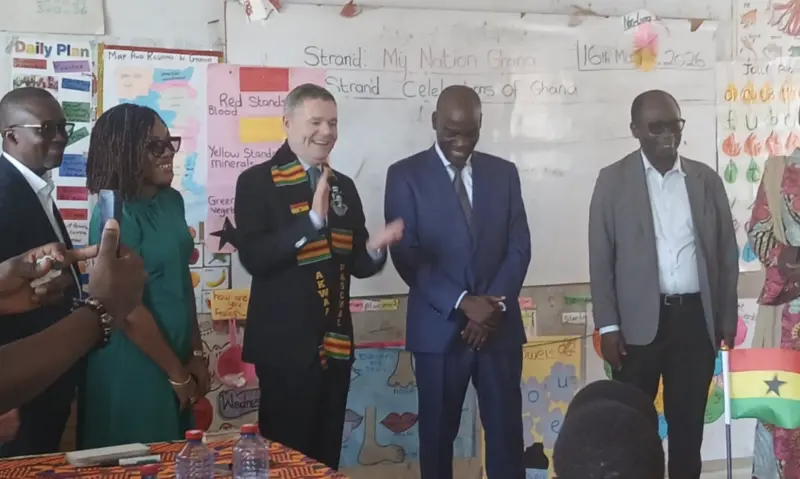
Image: MyJoyOnline
GhanaFront aggregates news from trusted sources. Click to read the original article.
Keywords
Explore related tagsMore from MyJoyOnline
Related Stories
More from Education
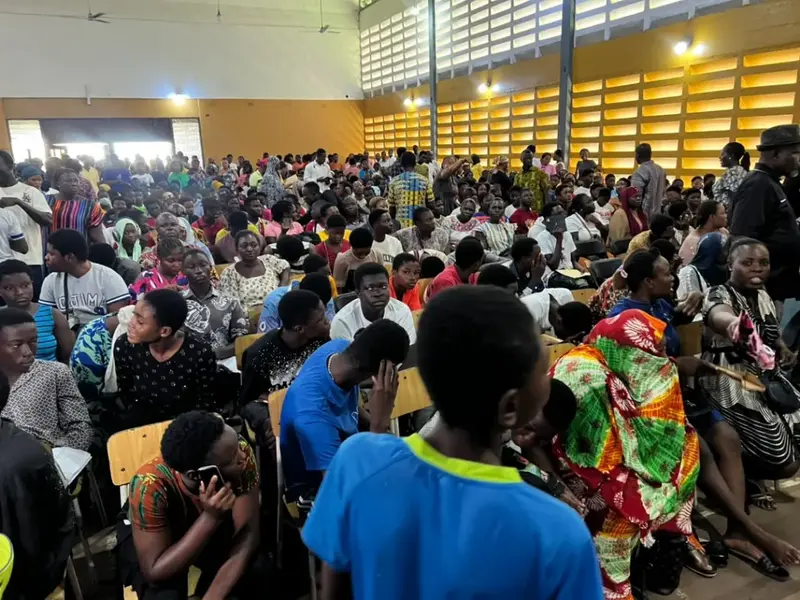
Education Ministry extends deadline for 2026 SHS placement exercise
Why the extension matters for thousands of students still waiting on school placements.
1d ago•2 min read