Why Many Male Abuse Victims In Ghana Still Stay Silent
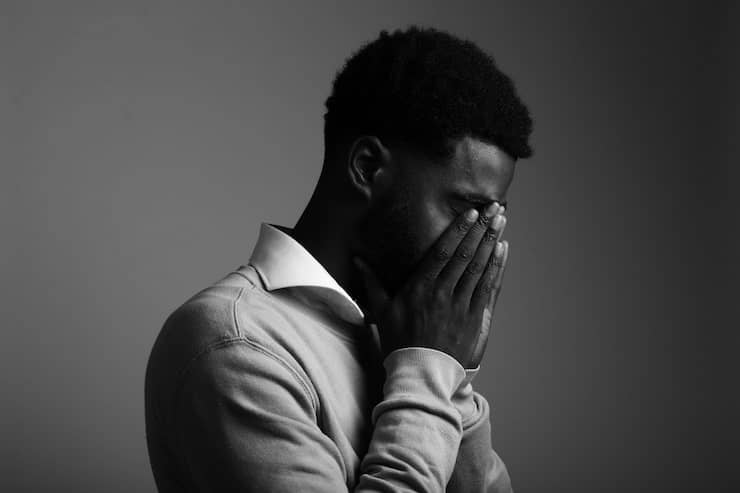
Image: GhanaFront Editorial
Domestic abuse is often discussed through a familiar lens: women as victims and men as perpetrators. That picture reflects many reported cases, but it does not capture the whole problem. In Ghana, male victims of domestic and emotional abuse remain largely hidden, not because abuse against men does not happen, but because many men are afraid of what will follow if they speak.
The silence is shaped by fear, shame, public ridicule and a narrow idea of masculinity. For some men, asking for help feels like admitting failure. For others, the bigger fear is that nobody will believe them.
“Many men fear they won’t be believed or that they’ll be mocked. Some worry that speaking up will make them appear weak or incapable of leading their families. Others stay silent because they want to protect their children or avoid public embarrassment,” a counsellor at the University of Media, Arts and Communication -- Institute of Journalism said.
The counsellor’s comments point to a wider social challenge. Boys are often raised to be tough, quiet and emotionally controlled. They hear phrases such as “be strong” and “man up” early in life. Those words may be meant to build resilience, but they can also teach boys to hide pain. By adulthood, that silence can become dangerous, especially when a man is trapped in an abusive relationship.
Masculinity, Stigma And The Fear Of Not Being Believed
For many male victims, the first barrier is not the abuse itself but the reaction they expect from society. A man who reports abuse may worry that friends will laugh, relatives will dismiss him, or the public will question his authority in the home. In a culture where men are often expected to lead, provide and remain emotionally unshaken, victimhood can be treated as weakness rather than a call for support.
Research has already documented this pattern. A study by Efua Esaaba Mantey, published in the African Journal of Social Work and available through the University of Ghana Repository, examined male victims of domestic violence in Accra. The study found that many men do not report abuse because of stigma, social expectations around masculinity and fear that their claims will not be taken seriously.
Those findings remain relevant years later. In 2026, some male students of UniMAC-IJ who were approached to share whether they would report abuse in a relationship declined to participate. Their refusal did not prove abuse, but it showed how difficult the conversation remains. Even in an academic setting, with young people who are regularly exposed to public debate, the subject was still too sensitive for some men to discuss openly.
That reluctance matters because abuse thrives in silence. When men believe that disclosure will bring humiliation instead of help, they are more likely to endure harmful relationships privately. Some remain silent to protect their children. Others fear public embarrassment or family conflict. Some may not even have the language to describe what is happening to them, especially when the abuse is emotional, psychological or verbal rather than physical.
The Warning Signs Often Missed
The signs that a man is experiencing abuse are not always dramatic. They may appear as gradual changes in mood, confidence and social behaviour. According to the UniMAC-IJ counsellor, warning signs can include withdrawal from family and friends, anxiety, depression, low self-esteem, constant fear of upsetting a partner and loss of confidence in decision-making.
These signs are often overlooked because society tends to assume that men are always the stronger party in relationships. That assumption can blind families, friends and institutions to the suffering of men who are being controlled, insulted, threatened or emotionally worn down by a partner.
- Withdrawing from relatives, friends or social activities
- Showing signs of anxiety, depression or constant fear
- Losing confidence in personal decisions
- Appearing afraid of upsetting a partner
- Showing low self-esteem after repeated humiliation or control
These behaviours should not be dismissed simply because the person affected is male. Abuse is not defined by the gender of the victim. It is defined by harm, control, intimidation and the repeated erosion of another person’s wellbeing.
Changing The Public Conversation
The media also plays a role in shaping how society understands domestic abuse. Coverage that focuses mostly on women as victims and men as perpetrators reflects many real situations, but when male victims are almost invisible, men who suffer abuse may conclude that their experiences do not count.
The counsellor noted that in Ghana, some men who shared their experiences online were met with jokes rather than empathy. That kind of reaction does more than hurt the person who spoke. It warns other men to keep quiet.
“In Ghana, there have been instances where men shared their experiences online and were met with jokes instead of empathy, making other men even more reluctant to speak out,” the counsellor said.
Solving the problem does not require ignoring the reality that many women face domestic violence. It requires a fuller and more honest conversation. Abuse can affect anyone, and support systems must be strong enough to respond to all victims. The counsellor called for more balanced media coverage and confidential services that cater to both men and women.
Confidentiality is critical. Men who already fear mockery are unlikely to seek help if they believe their pain will become public gossip. Support services must give victims safe channels to speak, report, receive counselling and protect their families without being treated as objects of ridicule.
The deeper task is cultural. Ghanaian society must make room for men to admit pain without losing dignity. Strength should not mean silence. Leadership in the family should not mean suffering quietly. And masculinity should not require a man to endure abuse just to prove he is a man.
Until that shift happens, many male victims will continue to hide their pain. Not because they do not need help, and not because the abuse is harmless, but because the price of speaking still feels too high.
More from GhanaFront Editorial
Related Stories
More from Education
Ghana cannot industrialize without skilled workforce - TVET Director-General
A top official makes a bold case for TVET's role in Ghana's future - but what specific reforms are on the table?
2d ago•