To What Degree Can Universities Alone Save Africa?
Universities face challenges in Africa. Africa has over 400 million people aged 15-35 and is expected to have the world's largest workforce by 2040, yet tertiary enrolment remains around 9%, far below the global average of 38%. Some estimates suggest capacity would need to expand nearly twelvefold by 2035.
A degree has long been associated with a life-changing opportunity and a pathway to better job prospects, higher income, and social mobility. For the 2026 academic year, the public university system in South Africa could only offer about 235,000 first-year places, while more than 245,000 candidates obtained bachelor-level passes in the 2025 National Senior Certificate examinations. South African private universities have more than 100,000 applications competing for fewer than 10,000 spots.
The World Economic Forum's Global Risks Report 2026 notes that 50% of global leaders anticipate a turbulent or stormy outlook over the next two years, which is expected to rise further over the next decade. The report also highlights the lack of economic opportunity and unemployment as major risks shaping the global outlook.
Quick Summary
Many African families see university education as the only door to success for their children. But with limited access and a rapidly changing global economy, is this single-minded focus creating more pressure and anxiety for African youth - and is it sustainable?
Summary - read the full story for complete context.
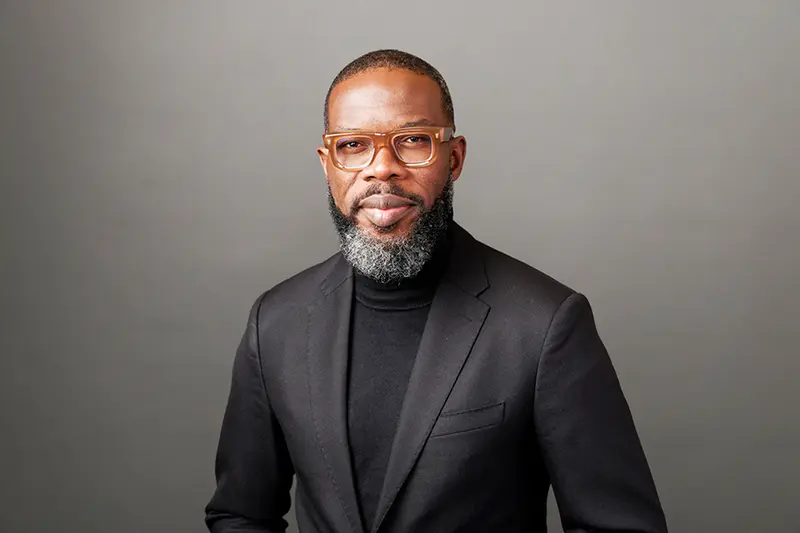
Image: The Chronicle
GhanaFront aggregates news from trusted sources. Click to read the original article.
Keywords
Explore related tagsMore from The Chronicle
Related Stories
More from Education
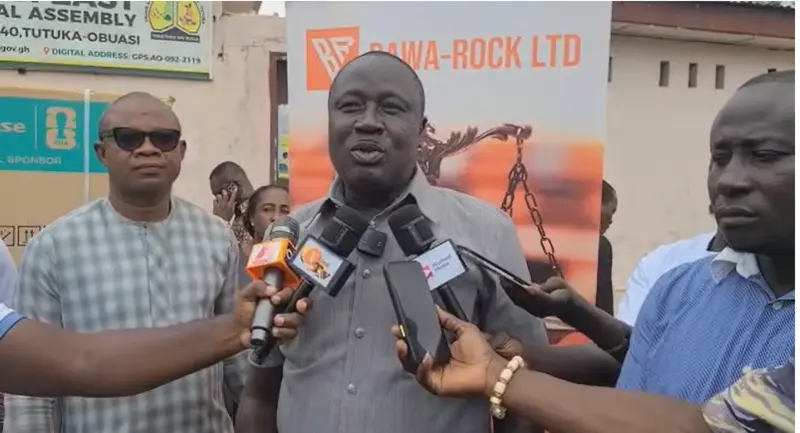
Fair treatment could end teachers' strikes - Obuasi East Education Director
A corporate donation for teacher awards sparks a call to address welfare - could this end recurring strikes?
5h ago•2 min read