'This nonsense must stop' - Minority condemns forceful closure of NHIA office in Ejisu
The National Health Insurance Authority (NHIA) is a cornerstone of Ghana's healthcare system, designed to provide financial access to quality healthcare for all residents. Its establishment marked a significant shift away from the "cash-and-carry" system that previously plagued healthcare access, particularly for the poor and vulnerable. The NHIA operates through a network of offices across the country, ensuring that citizens can register, renew their membership, and access healthcare services under the scheme. The smooth functioning of these offices is crucial for maintaining the integrity and effectiveness of the NHIS. However, like any large organization operating within a politically charged environment, the NHIA is not immune to challenges and controversies.
Ghanaian politics is often characterized by intense competition between the two major parties, the National Democratic Congress (NDC) and the New Patriotic Party (NPP). This rivalry extends beyond national elections and permeates various aspects of public life, including appointments to public sector positions. It is not uncommon for supporters of the winning party to feel entitled to certain positions, leading to frustration and discontent when these expectations are not met. This phenomenon, sometimes referred to as "spoils system" politics, can create tensions within parties and between the ruling party and the opposition. The distribution of resources and opportunities is a constant source of political contention, and perceived imbalances can easily trigger unrest. Furthermore, local governance structures and traditional authority often intersect with national political dynamics, creating complex layers of influence and potential conflict.
The incident involving the NHIA office highlights the delicate balance between political affiliations, public service delivery, and the expectations of party loyalists. The key players in this scenario include the Minority in Parliament, who see themselves as watchdogs of the government, and the aggrieved individuals whose actions have brought the issue to the forefront. The stakes are high, as the disruption of public services not only affects the immediate beneficiaries but also undermines the broader goal of national development. The incident raises questions about the role of political parties in ensuring accountability and addressing the grievances of their supporters without resorting to disruptive measures. It also underscores the importance of maintaining the neutrality and professionalism of public institutions to ensure that they serve all citizens effectively.
Several open questions remain that will likely shape the narrative moving forward. How will the government respond to the concerns raised about appointments and resource allocation? What measures will be taken to prevent similar incidents from occurring in the future? Will the affected individuals be held accountable for their actions? And perhaps most importantly, how will this incident impact the overall perception of the NHIA and its ability to deliver quality healthcare services to all Ghanaians? The answers to these questions will determine the long-term consequences of this event and its implications for the stability and effectiveness of public institutions in Ghana.
Quick Summary
The Minority in Parliament has voiced strong disapproval of an incident at the NHIA office in Ejisu- raising concerns about the sanctity of public institutions. The disruption has prompted calls for accountability- but what could be the underlying cause?
Summary - read the full story for complete context.
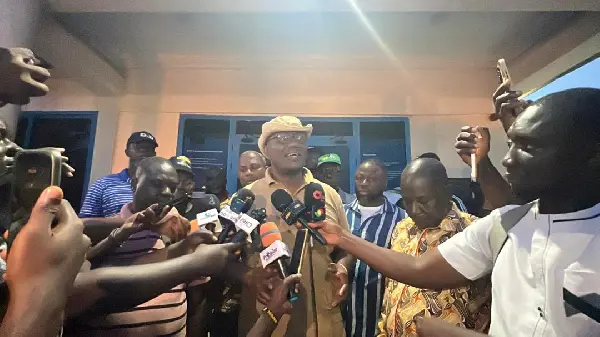
Image: GhanaWeb
GhanaFront aggregates news from trusted sources. Click to read the original article.
More from GhanaWeb
Related Stories
More from Politics

Ghana's narcotics crisis deepens as drug seizures linked to country top US$1bn - Minority
What do recent massive drug busts and unresolved incidents reveal about Ghana's narcotics crisis?
1d ago•