Solar-Powered EV Charging: A Golden Opportunity for Ghana's Private Sector

Image: GhanaFront Editorial
Ghana's Electric Vehicle Future: A Call to Action
Ghana stands at a crucial crossroads in its transportation and energy sectors. The global shift towards electric vehicles (EVs) presents not just an environmental imperative, but a significant economic opportunity. The government's recent call for private sector investment in solar-powered EV charging stations is a welcome step, signaling a commitment to sustainable transportation and a recognition of the private sector's vital role in achieving this vision. However, translating this call into tangible action requires a clear strategy, supportive policies, and a collaborative approach.
The potential benefits of widespread EV adoption in Ghana are considerable. Reduced reliance on imported fossil fuels would strengthen our energy security and alleviate pressure on our foreign exchange reserves. Decreased air pollution, particularly in urban centers like Accra and Kumasi, would improve public health and reduce healthcare costs. Furthermore, a thriving EV industry could create new jobs in manufacturing, maintenance, and renewable energy, contributing to economic growth and diversification.
"The government remains dedicated to allowing the private sector to lead the EV charging system; however, the nation prioritises solar-powered energy systems."
The Solar Advantage: Powering a Green Revolution
The emphasis on solar-powered charging stations is particularly astute. Ghana boasts abundant sunshine, making solar energy a readily available and cost-effective resource. Integrating solar power into the EV charging infrastructure offers several key advantages:
- Reduced Carbon Footprint: Solar-powered charging ensures that EVs are truly green, minimizing their environmental impact.
- Lower Operating Costs: Solar energy reduces reliance on the national grid, shielding EV owners from fluctuating electricity prices.
- Grid Stability: Distributed solar-powered charging stations can help stabilize the grid, particularly in areas with limited infrastructure.
- Rural Electrification: EV charging stations can be integrated with rural electrification projects, expanding access to clean energy in underserved communities.
However, realizing these benefits requires addressing several key challenges. The initial investment costs for solar-powered charging stations can be significant, potentially deterring private sector participation. Access to financing, streamlined permitting processes, and clear regulatory frameworks are essential to encourage investment. Furthermore, public awareness campaigns are needed to educate consumers about the benefits of EVs and solar energy, fostering demand and driving adoption.
Incentives and Policy: Creating a Supportive Ecosystem
The government must create a supportive ecosystem that incentivizes private sector investment in solar-powered EV charging. This could include:
- Tax breaks and subsidies: Offering tax incentives and subsidies for the installation of solar-powered charging stations can reduce upfront costs and improve project viability.
- Feed-in tariffs: Implementing feed-in tariffs for excess solar energy generated by charging stations can provide a revenue stream and enhance profitability.
- Public-private partnerships: Collaborating with the private sector on pilot projects and infrastructure development can share risks and accelerate deployment.
- Standardized charging protocols: Establishing standardized charging protocols and infrastructure can ensure interoperability and ease of use for EV owners.
- Training and skills development: Investing in training programs for technicians and engineers can create a skilled workforce to support the EV industry.
Beyond financial incentives, clear and consistent policies are crucial. The government should develop a comprehensive EV strategy that outlines long-term goals, targets, and regulatory frameworks. This strategy should address issues such as vehicle registration, safety standards, and battery disposal. A predictable and transparent policy environment will provide the certainty that investors need to commit to long-term projects.
A Collaborative Future: Driving Ghana Forward
The transition to electric vehicles is not merely a technological shift; it is a fundamental transformation of our transportation and energy systems. It requires a collaborative effort involving the government, the private sector, academia, and civil society. By working together, we can create a thriving EV industry that benefits all Ghanaians.
Research suggests that countries with strong public-private partnerships in renewable energy infrastructure have seen faster adoption rates and greater economic benefits.
The government's call for private sector investment in solar-powered EV charging stations is a promising start. By creating a supportive ecosystem, providing incentives, and fostering collaboration, Ghana can seize this golden opportunity and become a leader in sustainable transportation. The time for action is now. Let us embrace the electric vehicle revolution and build a cleaner, more prosperous future for Ghana.
More from GhanaFront Editorial
Related Stories
More from Business & Economy
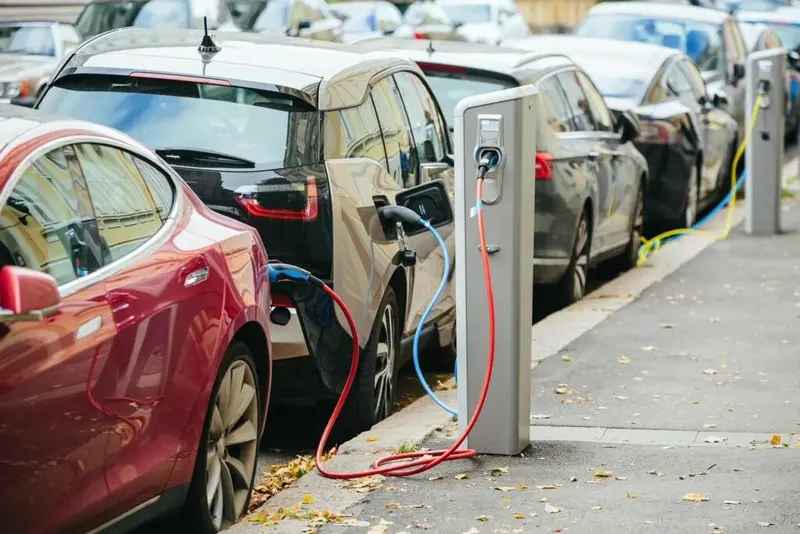
Electric Vehicle: Gov't urges private sector investments into solar-powered charging stations
Ghana's EV transition prioritizes solar-powered systems - but can private investment drive this initiative forward?
2h ago•2 min read

Ghana's Investor Town Hall Is a Good Start -- But Credibility Is Rebuilt Through Deeds, Not Dialogue
Ghana's economic recovery hinges on more than just talk: what crucial factors will determine its success?
16h ago•2 min read

Exim Bank resets to intensify Ghana's export capacity
GEXIM is resetting its investments- but can they overcome challenges like high capital costs and weak logistics?
3h ago•2 min read

We're taking back control - Sammy Gyamfi says gold sector key to economic transformation
Ghana's gold sector is poised for a major reset, but what does this mean for the country's economic future?
5h ago•3 min read