RMU positions maritime training as key pillar of Ghana’s 24-hour economy drive
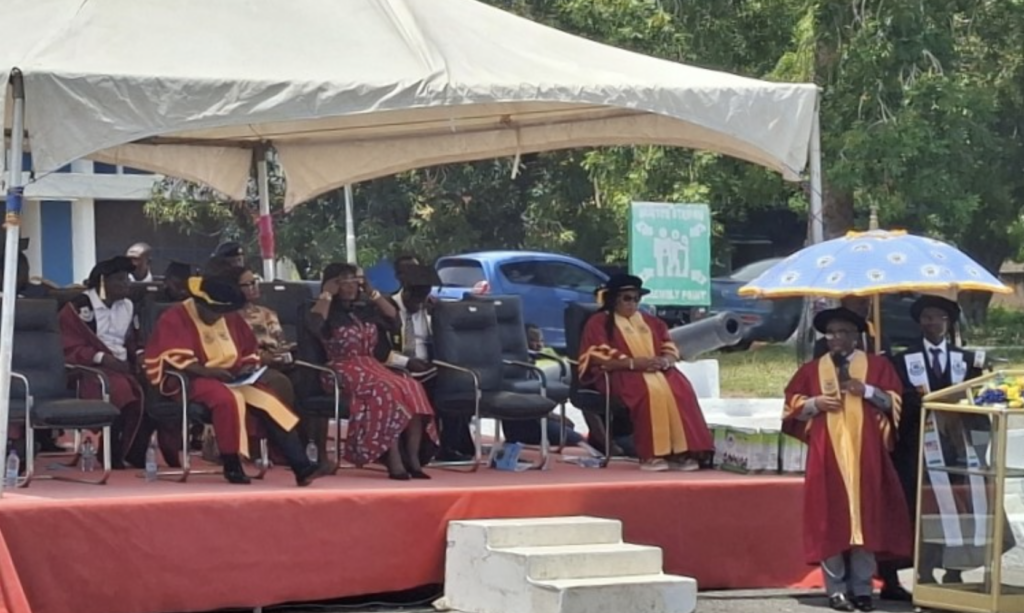
Image: GhanaFront Editorial
Regional Maritime University (RMU) has declared that it is ready to play a meaningful role in Ghana’s proposed 24-hour economy by expanding practical training, maritime education and industry-centred research for the benefit of young people and the wider economy.
The position was outlined by the Acting Vice-Chancellor of the university, Dr Jethro W. Brooks Jr., during RMU’s 23rd and 11th matriculation ceremony held for newly admitted undergraduate and postgraduate students for the 2025/2026 academic year.
According to the Vice-Chancellor, the maritime sector already reflects the type of around-the-clock activity that the government hopes to deepen across the country through its 24-hour economy agenda. He said shipping, logistics, port operations, shipbuilding and marine engineering are all sectors that naturally function beyond the limits of the traditional working day, making maritime education a strategic entry point for national development.
Maritime training seen as a practical starting point
Dr Brooks said Ghana’s attempt to build a stronger 24-hour economy would require more than policy declarations. In his view, it must be backed by large-scale investment in youth training and skills development, particularly in fields where employment opportunities are linked to global trade and industrial expansion.
"With the President’s vision of a 24-hour economy, there can be no better place to begin than massive training of the youth in maritime and skilled areas," Dr Brooks said.
That argument places RMU in a central position within the national conversation about job creation and productivity. The university has long specialised in maritime and transport-related education, and its leadership believes the institution is already structured to produce graduates who can operate in technical, commercial and managerial roles across the sector.
For Ghana, the significance of the maritime industry goes beyond the classroom. The sector supports international trade, cargo movement, supply chains, shipping management and port services, all of which have direct implications for national revenue generation and competitiveness. By linking education to these economic activities, RMU is presenting itself as both an academic institution and a development partner.
Enrollment figures point to growing demand
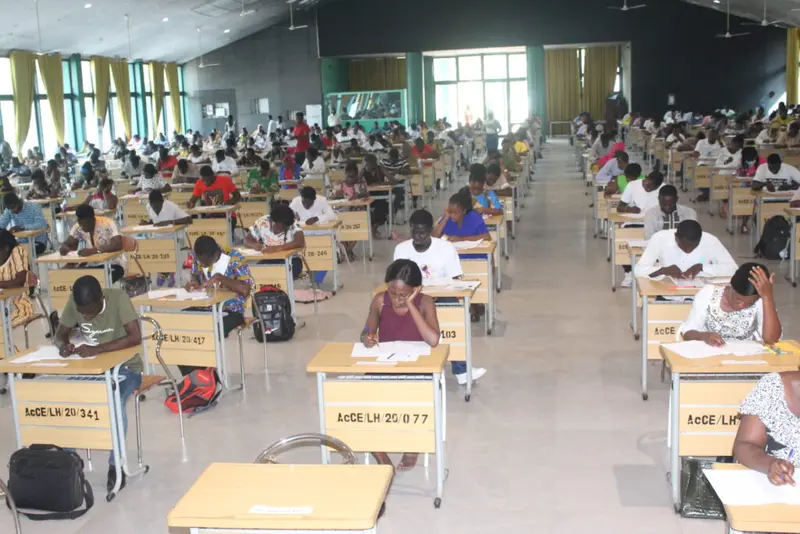
At the matriculation ceremony, university authorities also shared figures that suggest sustained interest in RMU’s programmes. Dr Brooks disclosed that 1,363 applicants were admitted for the 2025/2026 academic year, out of which about 840 students had registered at the time of the event.
The registered students include both undergraduate and postgraduate entrants drawn from member and non-member states. The breakdown presented by the university indicates that more than 120 postgraduate students enrolled, alongside roughly 690 undergraduates.
The numbers provide a snapshot of the institution’s regional reach and its continuing role within maritime education in West and Central Africa. RMU serves a wider sub-regional constituency, and that cross-border character is one reason the university believes it can contribute not only to Ghana’s development goals but also to workforce preparation across neighbouring countries.
University leaders say this broader intake strengthens the institution’s ability to train graduates with marketable and entrepreneurial skills suited to modern industry needs. In a policy environment where governments are increasingly focused on employability, technical competence and innovation, such positioning could become even more important.
Female enrollment in seagoing programmes rises
One of the notable points highlighted during the ceremony was the increase in female enrollment in programmes that have historically been dominated by men. Dr Brooks described this trend as encouraging, especially in courses such as Nautical Science and Marine Engineering, where women have often been underrepresented.
According to him, the number of female students admitted into seagoing programmes has risen from 96 in the previous academic year to 127 in the current one. The increase, he said, reflects deliberate efforts by the university to open up maritime careers to more women and to challenge traditional barriers within the profession.
The development is likely to be welcomed by stakeholders who have advocated greater inclusion in technical and transport-related industries. Expanding opportunities for women in these fields has implications not only for equity, but also for the size and diversity of the skilled workforce available to the sector.
If sustained, the trend could help reshape perceptions about maritime careers and encourage more girls and young women to consider pathways in engineering, navigation, logistics and marine operations.
Government pledges support for RMU
The government also used the occasion to reaffirm its support for the university. Deputy Minister for Transport, Mrs Dorcas Affo-Toffey, congratulated the new students and encouraged them to pursue their studies with seriousness, discipline and a strong sense of purpose.
She said the government remains committed to preparing young people with the skills and knowledge needed for the world of work. Her remarks aligned with the broader message that education and technical training must remain central to Ghana’s economic transformation agenda.
"The government remain committed to developing the youth with the requisite skills and knowledge for the world of work," Mrs Affo-Toffey said.
She further assured the university of continued support aimed at reinforcing RMU’s status as a centre of excellence in maritime education. That support, she indicated, includes infrastructure development and improvements in teaching and learning resources.
Among the projects mentioned was the completion of a 2,000-seater auditorium, which is expected to enhance the university’s ability to host academic, professional and national development-related activities. Such facilities are increasingly seen as essential for institutions seeking to expand their academic offerings, conferences, research engagements and industry partnerships.
Why the moment matters for Ghana’s economy
The discussion around RMU’s role comes at a time when the idea of a 24-hour economy is gaining political and policy attention in Ghana. Although debate continues over how the concept will be implemented in practice, there is broad recognition that sectors capable of supporting continuous activity will be important to its success.
The maritime sector is one of the clearest examples. Ports, shipping lines, logistics chains and marine services are already linked to international schedules that do not pause at the close of business. In that sense, Ghana’s investment in maritime education could become a practical mechanism for ensuring that local talent is ready to support expanded industrial and commercial activity.
For young people, this also points to a future in which technical and specialised training may offer more direct pathways into employment. For institutions such as RMU, it means expectations will likely grow around graduate readiness, innovation and closer ties with industry.
- Maritime activity naturally fits the logic of a 24-hour economy.
- Youth training is being framed as essential to productivity and job creation.
- Female participation in seagoing programmes is showing measurable improvement.
- Government support for infrastructure and learning resources remains a key factor.
As Ghana continues to define the structure of its economic transformation agenda, the role of specialised institutions will remain under close watch. RMU’s message is that it is not waiting on the sidelines. The university believes it already possesses the academic focus, regional relevance and sectoral alignment needed to contribute to that future.
Whether through the training of marine engineers, logistics professionals, navigators or researchers, the institution is positioning itself as a pipeline for the skills that a modern, productivity-driven economy will require. For students beginning their academic journey this year, that framing carries both an opportunity and a challenge: to see their education not only as personal advancement, but also as part of a wider national effort to build capacity for growth.
More from GhanaFront Editorial
Related Stories
More from Education

NSMQ 2026: 98 schools in Ashanti region battle for national qualification spots
With 98 schools battling for national spots, the Ashanti Region's NSMQ qualifiers promise high-stakes contests and a chance for former powerhouses
3d ago•