NAIMOS raid on Nyaase River nets six Chinese suspects
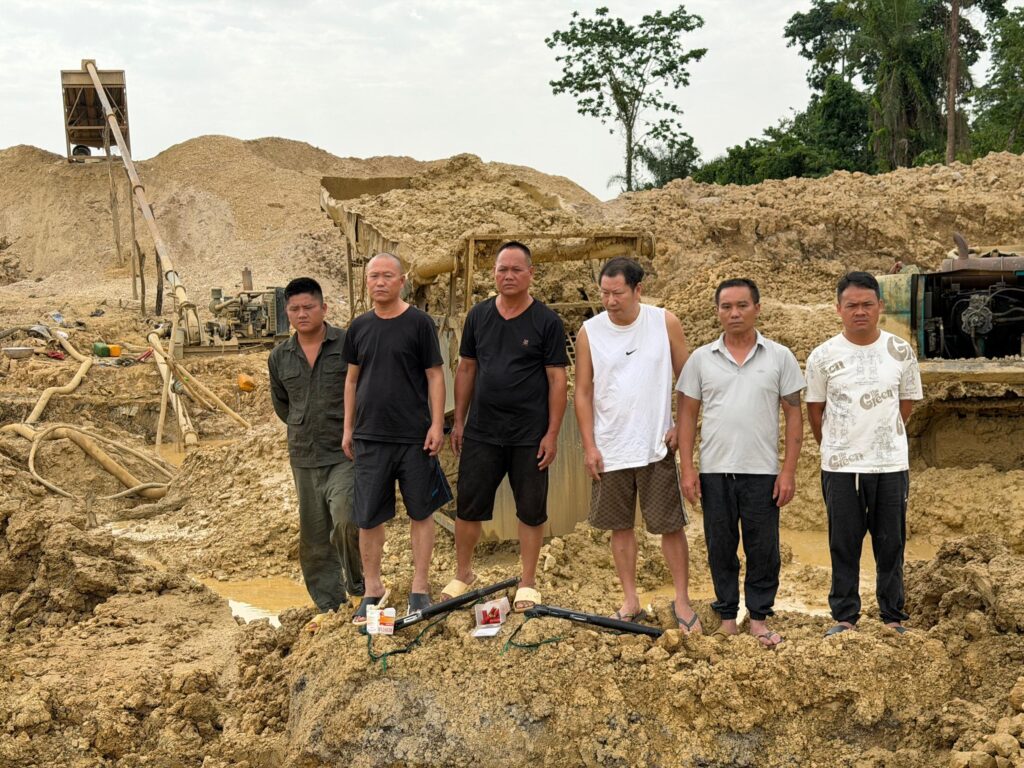
Image: GhanaFront Editorial
Six Chinese nationals are in custody after the National Anti-Illegal Mining Operations Secretariat, known as NAIMOS, carried out a targeted raid on an illegal mining site along the Nyaase River in the Ashanti Region.
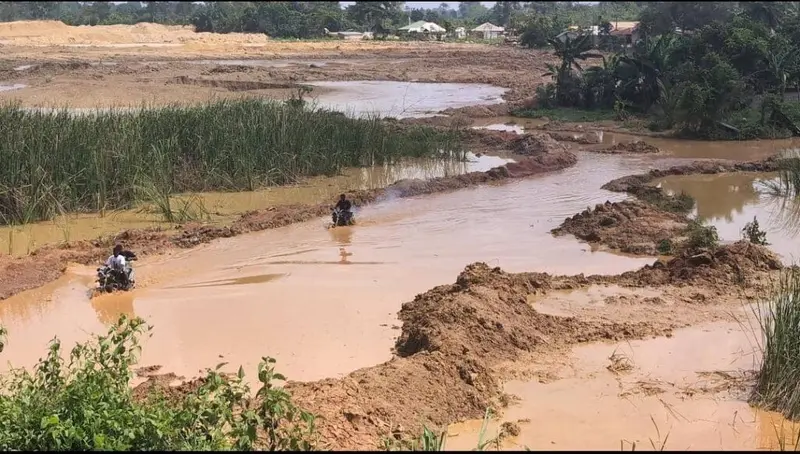
The operation, conducted on Saturday, April 18, 2026, at Kunsu Gyaenkontabuo in the Ahafo Ano South-West District, exposed what authorities describe as a coordinated illegal mining network with both environmental and security implications. The Nyaase River is a tributary of the Tano River, one of the important water systems in the area, and officials say the damage found at the scene points to the growing cost of galamsey on Ghana's land and water bodies.
Intelligence-led raid uncovered wider network
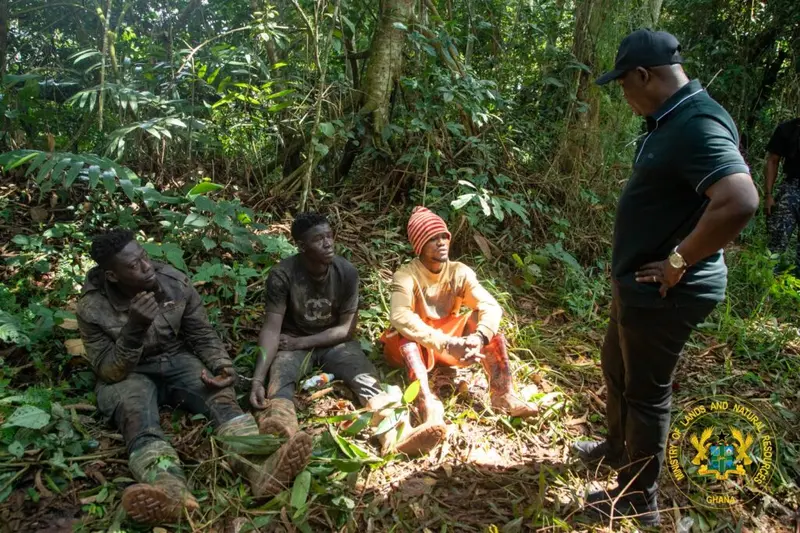
According to NAIMOS, the operation began at about 8:20 a.m. when a surprise enforcement team moved into the mining site. Officers initially arrested one Chinese suspect at the riverbank operation. That first arrest quickly opened the door to a broader crackdown.
Investigators say the suspect led the team to a nearby residence, where five more Chinese nationals believed to be connected to the same operation were arrested. In one sweep, the task force moved from a river-side mining scene to what appeared to be the living and coordination base of the group.
That sequence is significant. It suggests the operation was not an isolated presence of illegal miners working with basic tools, but an organised setup with support structures, transport, cash holdings and access to weapons. For enforcement agencies, that shifts the issue from routine environmental crime into a broader public security concern.
NAIMOS says the raid was intelligence-led and resulted in the arrest of six Chinese nationals linked to illegal mining activity along the Nyaase River.
Officials described the seizure as one of the most significant arrests of foreign nationals recorded in recent anti-galamsey operations. The scale of the items recovered and the level of preparation seen at the site appear to support that claim.
Environmental destruction and weapons discovery deepen concern
At the mining location itself, NAIMOS officers found extensive destruction of the landscape. Large stretches of land had been torn up, and river areas had been affected by the illegal operation. The pollution and physical disturbance of river systems remain among the most serious long-term consequences of galamsey, especially when activity takes place near tributaries that feed larger water bodies.
The Nyaase River's connection to the Tano River gives the incident added importance. Damage at a tributary level can spread downstream, affecting water quality, ecosystems, farming communities and local livelihoods. Illegal mining near water bodies has for years remained one of the most politically sensitive and environmentally devastating aspects of the galamsey crisis.
To stop the operation from restarting, the task force disabled excavators found at the site. Washing platforms, pumping machines, hoses and other tools used for mining were also destroyed or removed. The goal, according to authorities, was immediate disruption -- not just arrests, but the dismantling of the machinery that made the activity possible.
What officers found at the suspects' residence raised the stakes even further. A search there led to the recovery of two pump-action guns and 102 rounds of ammunition. Also seized were a Toyota Tacoma vehicle, mobile phones, passports, identification documents and GH¢60,000 in cash hidden in a black polythene bag.
The discovery of firearms and ammunition has sharpened official concern about the kind of networks operating around illegal mining. Galamsey has often been discussed as an environmental emergency and a governance failure. Incidents like this show it can also overlap with organised criminal behaviour, intimidation and the use or potential use of armed protection.
- 6 Chinese nationals arrested
- Operation conducted on Saturday, April 18, 2026
- Location: Kunsu Gyaenkontabuo, Ahafo Ano South-West District
- River affected: Nyaase River, a tributary of the Tano River
- Weapons recovered: 2 pump-action guns
- Ammunition recovered: 102 rounds
- Cash recovered: GH¢60,000
Enforcement pressure grows as Ghana tightens stance
All six suspects and the items seized during the operation have been transferred to the NAIMOS headquarters for further investigation. Authorities say the suspects have also been handed over to the Ghana Immigration Service for the appropriate action to be taken.
That handover is crucial because Ghanaian law is clear on the role of foreigners in the small-scale mining sector. Foreign nationals are prohibited from engaging in small-scale mining, and the restrictions are even more serious when the activity is illegal and takes place in sensitive ecological zones such as river bodies and forest areas.
The latest arrests come at a time when public frustration over galamsey remains high. Communities across Ghana have watched rivers turn brown, forests disappear and farmlands degrade under the pressure of unregulated mining. State institutions have repeatedly promised stronger enforcement, yet the persistence of the trade has continued to test the credibility of those efforts.
For that reason, cases like this are watched closely. They are judged not only by the number of arrests made, but by whether investigations lead to prosecutions, asset tracing and the dismantling of the networks that finance and sustain illegal mining operations. Arresting workers or site operators alone rarely ends the cycle. The financiers, local collaborators, equipment suppliers and logistical backers often determine whether a site springs back to life after a raid.
NAIMOS says operations will continue across the country as part of efforts to protect Ghana's natural resources. That pledge reflects the wider pressure on the state to show that enforcement is consistent, not symbolic. Each successful operation sends a message, but only sustained action can reverse the environmental damage already done and deter those still entering the trade.
This latest raid has delivered three clear signals. First, illegal mining remains active in ecologically sensitive areas. Second, some of the actors involved are operating with money, mobility and armed capacity. Third, authorities are under growing obligation to turn arrests into lasting accountability.
In the Ashanti Region, the immediate site may have been shut down, the machines neutralised and the suspects detained. But the broader national challenge remains unresolved. Ghana's battle against galamsey will not be won through rhetoric. It will be won through disciplined intelligence, relentless enforcement, protection of water bodies and a justice system willing to follow these cases to their conclusion.
The arrests on the Nyaase River are therefore more than a headline. They are a test of whether the country can move from dramatic raids to durable results. For communities living with polluted streams and damaged land, that distinction matters more than ever.
More from GhanaFront Editorial
Related Stories
More from Technology

Redefining Africa's Infrastructure: The role of technology in connecting infrastructure system
What five moves could unlock the next wave of connected infrastructure?
1d ago•