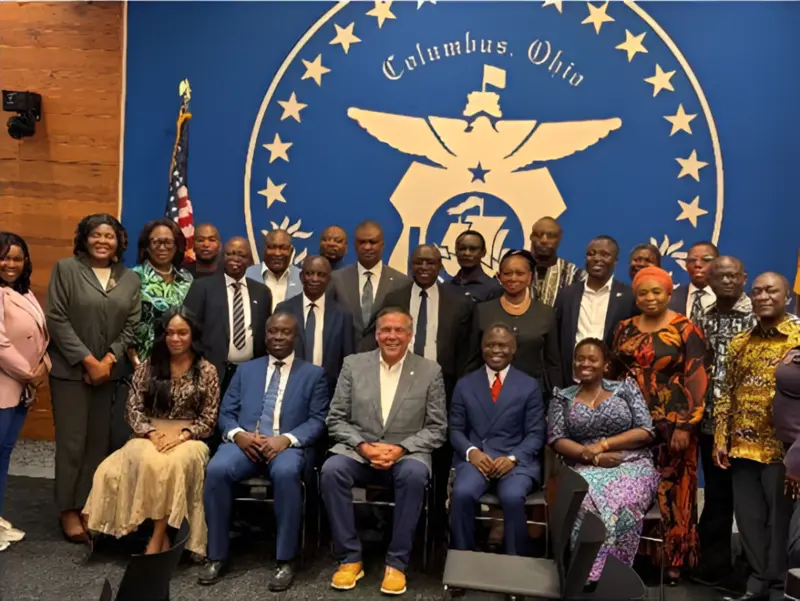
Minority Caucus visits Offinsomanhene to discuss cocoa price issues
The Ashanti Region, often referred to as the heartland of the Asante Kingdom, is currently playing host to a delegation from the Minority Caucus in Parliament. This group, comprised of members representing various constituencies, is embarking on a multi-day engagement focused on a critical sector of Ghana's economy. Their itinerary includes meetings with key stakeholders, particularly those involved in the cultivation and production of a commodity that has historically been central to Ghana's economic well-being. Leading this delegation is a prominent figure from the Nsawam-Adoagyiri constituency, known for his role as the Minority Chief Whip. The tour commenced with a formal visit to a respected traditional leader in the region, a customary gesture intended to secure blessings and support for their undertaking.
Cocoa's significance to Ghana cannot be overstated. For generations, it has been a primary export, contributing substantially to the nation's GDP and providing livelihoods for countless families, especially in regions like Ashanti, Brong Ahafo, and the Western Region. Ghana has consistently ranked among the top cocoa-producing countries globally, vying for the top spot with its neighbor, Côte d'Ivoire. However, the cocoa sector faces numerous challenges, including fluctuating global prices, climate change impacts, aging cocoa trees, and the persistent issue of smuggling. Government policies regarding pricing, subsidies, and support for farmers are therefore constantly under scrutiny and often become points of contention between political parties, farmer groups, and international organizations. The delicate balance between ensuring fair prices for farmers and maintaining the competitiveness of Ghana's cocoa on the world market is a recurring theme in national discourse.
The stakes in this situation are high, involving multiple key players with potentially conflicting interests. The government, represented by the Ministry of Food and Agriculture and the Ghana Cocoa Board (COCOBOD), is responsible for setting cocoa prices and implementing policies aimed at supporting the sector. The Minority Caucus, as the opposition party in Parliament, has a vested interest in holding the government accountable and advocating for the interests of cocoa farmers, particularly if they perceive that government policies are detrimental. Traditional leaders, like the Offinsomanhene and, more broadly, the Asantehene, wield significant influence in cocoa-growing regions and are often seen as custodians of the welfare of their people. Farmer groups and cooperatives also play a crucial role, representing the direct interests of cocoa producers and advocating for better prices, access to resources, and improved farming practices. Tensions can arise from disagreements over pricing policies, the allocation of resources, and the perceived effectiveness of government interventions. Any perceived misstep can have significant political and economic consequences, especially in regions where cocoa farming is the primary source of income.
Several open questions remain regarding this particular engagement. What specific concerns will the cocoa farmers voice during their interactions with the Minority Caucus? How will the Minority Caucus synthesize these concerns into a coherent report for presentation to the Asantehene? What specific interventions will they request from the Asantehene, and what influence can he exert on the government's cocoa policies? Will this tour lead to any tangible changes in government policy, or will it primarily serve as a platform for political maneuvering? The answers to these questions will undoubtedly shape the future of Ghana's cocoa sector and the livelihoods of the countless individuals who depend on it.
Quick Summary
The Minority Caucus in Parliament is engaging with cocoa farmers in the Ashanti Region, starting with a visit to the Offinsomanhene - seeking blessings for their tour. The tour aims to gather information about challenges farmers face, hinting at potential advocacy.
Summary - read the full story for complete context.
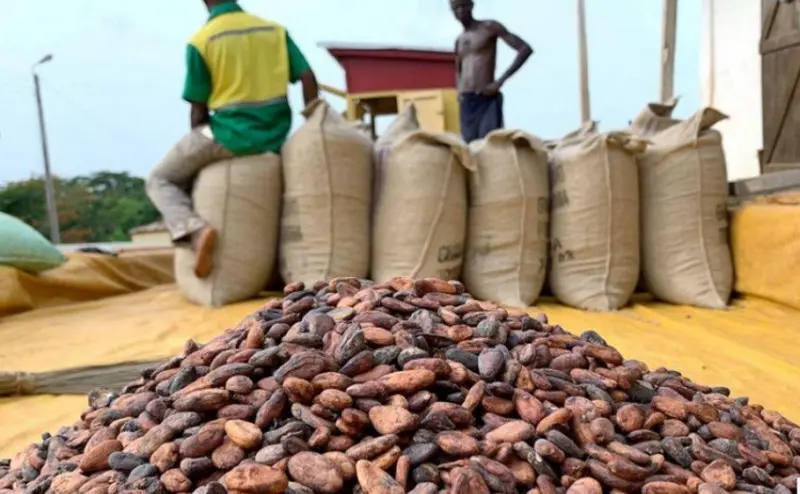
Image: Adom Online
GhanaFront aggregates news from trusted sources. Click to read the original article.
Keywords
Explore related tagsMore from Adom Online
Related Stories
More from Politics

NACOC's cocaine suspects' arrest is commendable, but cannot run on "charity" to fight drug cartels
A major drug bust raises questions about how NACOC can keep winning without proper resources.
1d ago•