Kpando-Torkor Road Works Begin as Leaders Tout Development Drive
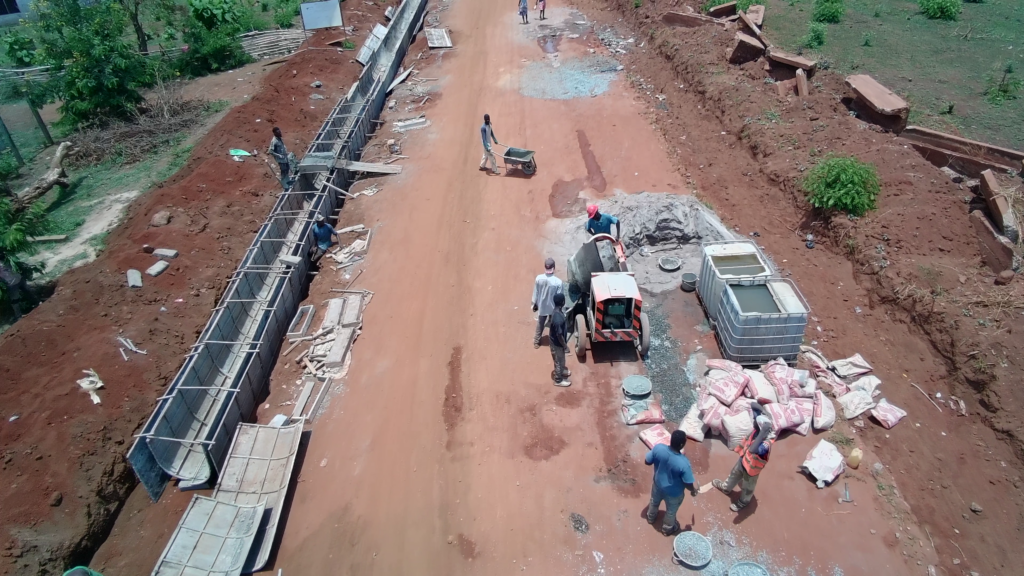
Image: GhanaFront Editorial
Road development has moved to the centre of public discussion in the Kpando Constituency after local authorities and political leaders confirmed that work has started on the long-awaited Kpando-Torkor feeder road, a route many residents see as critical to trade, mobility and access to essential services.
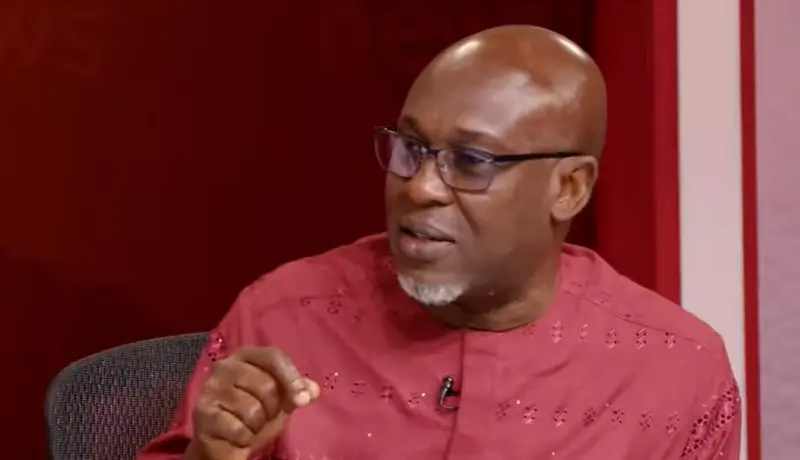
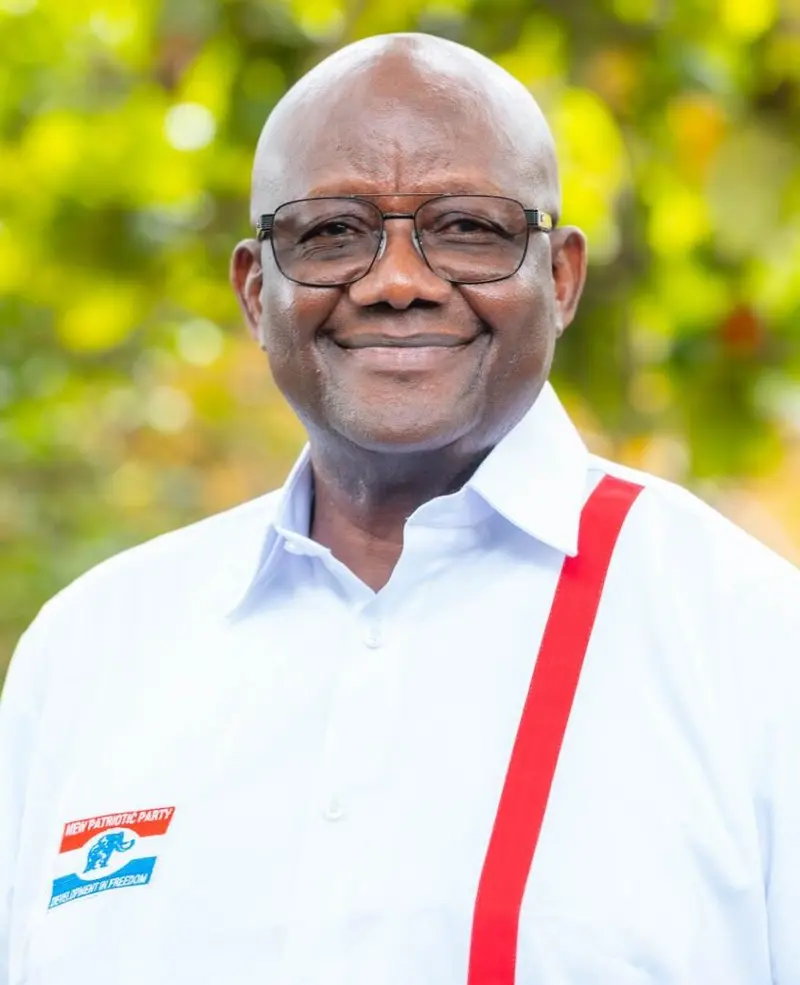
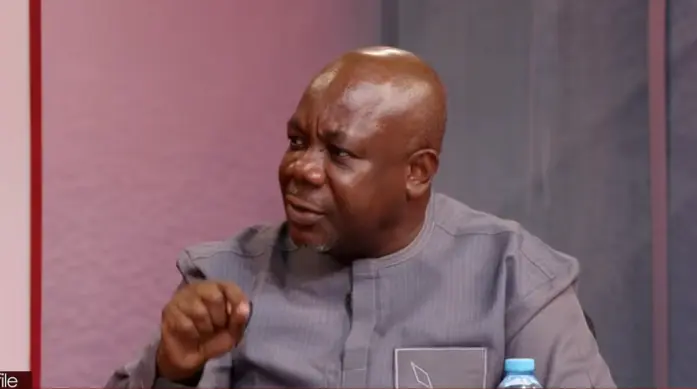
The update was delivered by Kpando Member of Parliament Sebastian Deh during a health screening programme in Torkor, where he linked the road project to the broader development needs of communities across the constituency. According to him, improving transport infrastructure is not only about easing movement from one town to another, but also about creating the conditions for better livelihoods, stronger local commerce and improved access to health and education.
For years, concern over the condition of feeder roads has featured prominently in conversations about development in many parts of the country, particularly in farming and market-linked communities. In Kpando, the start of work on the Kpando-Torkor road is being presented as a practical response to one of those longstanding concerns.
Road project tied to local economic growth
Mr Deh said the importance of the Kpando-Torkor feeder road goes beyond transportation alone because the route serves an important market centre within the constituency. Once completed, he said, the road is expected to support commercial activity by making it easier for people, goods and services to move within the area.
He described the project as part of a wider drive to strengthen socio-economic development in the constituency. Better roads, in his view, can help reduce the burden on residents who travel for work, education or medical care, while also making local communities more connected to opportunities in surrounding areas.
The MP used the occasion to restate his view that infrastructure development remains one of the fastest ways to improve living conditions. He said this was why road construction continues to feature strongly in ongoing development efforts in Kpando.
"Road infrastructure is central to rapid development," Mr Deh indicated as he reiterated his commitment to expanding and improving road networks across the constituency.
He further argued that the current National Democratic Congress administration, led by President John Mahama, is acting on its development promises, especially in the roads sector. Referencing the government's Big Push agenda, he said the administration is focused on projects that can bring visible benefits to communities.
Speaking directly about the Kpando-Torkor stretch, Mr Deh told participants that construction was in progress and said the government was moving in a direction that citizens can appreciate because, in his words, work is being done on the ground.
Additional feeder and town roads also under way
The Kpando-Torkor road is not the only project highlighted during the event. Mr Deh said several other feeder roads in the constituency are also under construction. He added that some inner roads within Kpando, the municipal capital, are expected to receive bitumen surfacing as part of efforts to improve the quality and durability of local transport links.
That wider package of road works suggests that authorities are attempting to spread infrastructure gains across both rural and urban parts of the municipality. For communities that depend on feeder roads for farming, trading and day-to-day commuting, such works can have a direct effect on household incomes and travel time. In the municipal capital, improved inner roads may also help reduce congestion, improve vehicle access and support commercial activity.
Mr Deh said earth-moving equipment had already been deployed through the assembly to support these works. The mention of assembly-backed deployment points to the role of local government structures in facilitating implementation, particularly where heavy machinery and coordination are required.
He stressed that development in the constituency should not be understood only through the lens of healthcare interventions, even though the event itself focused on health screening. In his remarks, he suggested that improving quality of life requires a broader mix of interventions, including investments in infrastructure that affect economic activity and daily living.
- The Kpando-Torkor feeder road has begun construction.
- The route connects to an important market centre in the constituency.
- Additional feeder roads are under construction in other parts of Kpando.
- Some inner roads in Kpando town are expected to be surfaced with bitumen.
- Earth-moving equipment has been deployed through the assembly to support the projects.
Assembly, traditional leaders and civic groups recognised
Beyond the projects themselves, the event also highlighted collaboration among elected officials, local government, traditional authorities and community organisations. Mr Deh praised Kpando Municipal Chief Executive Killian Donkor for contributing to the initiation and support of development projects in the area. He also acknowledged the role of traditional leaders in advancing local development efforts.
Mr Donkor, in his own remarks, said the assembly remains committed to pursuing development that can raise living standards across the municipality. His comments reinforced the suggestion that local authorities see the current projects as part of a broader programme rather than isolated interventions.
The event in Torkor was itself organised around healthcare delivery, and that gave speakers an opportunity to connect physical infrastructure with social wellbeing. Mr Donkor commended the Akpini Giants Association for Development for organising free health screening and treatment for common conditions, describing the intervention as an important contribution to public welfare.
The praise for the association underscored the role that civic and community groups can play in complementing state-led development. While government agencies and elected officials may drive large-scale infrastructure initiatives, local associations often provide direct services that respond to immediate needs.
Traditional leadership also featured strongly in the event. Akpinifiaga, Okpekpewuokpe, Togbega Dagadu IX, acknowledged the projects currently under way and commended the efforts of stakeholders working to develop the Kpando Constituency. His remarks offered a measure of endorsement from traditional authority, which remains influential in community mobilisation and public support for development programmes.
The traditional ruler indicated that more projects are expected in the area to promote socio-economic progress and human resource development, while calling on residents to continue supporting such initiatives.
That appeal for public support reflects an important reality in local development: even when projects are announced and machinery is deployed, sustained community cooperation can shape how effectively programmes are carried through to completion.
Development message delivered alongside Easter safety appeal
The timing of the remarks also gave speakers an opportunity to address public conduct ahead of the Easter period. Togbega Dagadu IX urged residents to mark the celebrations responsibly and to avoid actions that could put their lives at risk. The message was framed as a call for moderation and safety during a festive period that often brings increased movement and social activity.
Although separate from the road development agenda, the advice connected with the broader theme of protecting and improving community wellbeing. In practical terms, the combination of a health screening exercise, discussion of road works and safety reminders presented the event as one focused on both immediate and long-term welfare.
For residents of Kpando and surrounding communities, the key issue now will be whether the momentum described by officials translates into sustained progress on the ground. The Kpando-Torkor feeder road has particular symbolic weight because it is being described as long neglected. Its advancement is therefore likely to be watched closely by residents who want visible proof that long-standing infrastructure concerns are finally being addressed.
If completed as planned, the road could improve access to a vital market centre, support easier travel to schools and health facilities, and strengthen local economic links within the constituency. The additional feeder and inner-road projects mentioned by the MP would, if delivered, widen that impact across multiple communities.
For now, the message from the event in Torkor is that road construction has moved from promise to implementation, with local leaders positioning the works as part of a larger effort to expand opportunity and improve living standards in Kpando. As construction continues, residents will be looking for steady execution, visible progress and the practical benefits that better roads are expected to bring.
More from GhanaFront Editorial
Related Stories
More from Politics

Manhyia South MP Nana Baffour Awuah arrested by EOCO
What did the MP tell investigators after months of avoiding EOCO's summons?
1d ago•2 min read