TUC warns Ghana risks continued IMF dependence
The Trades Union Congress (TUC) warns that Ghana risks continued IMF dependence.
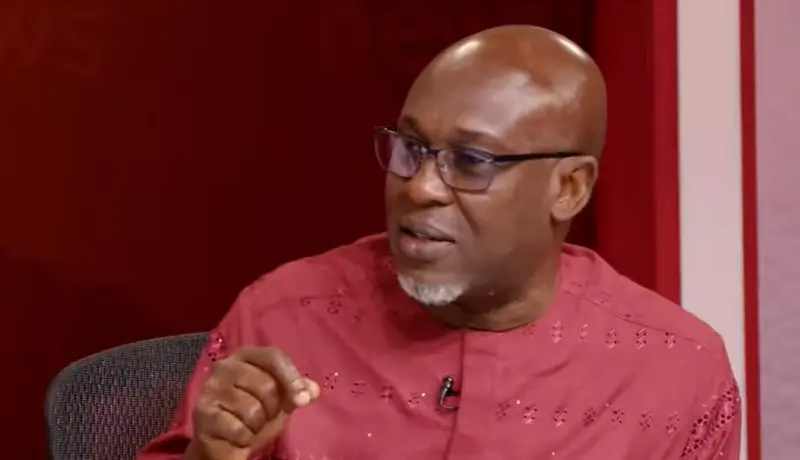
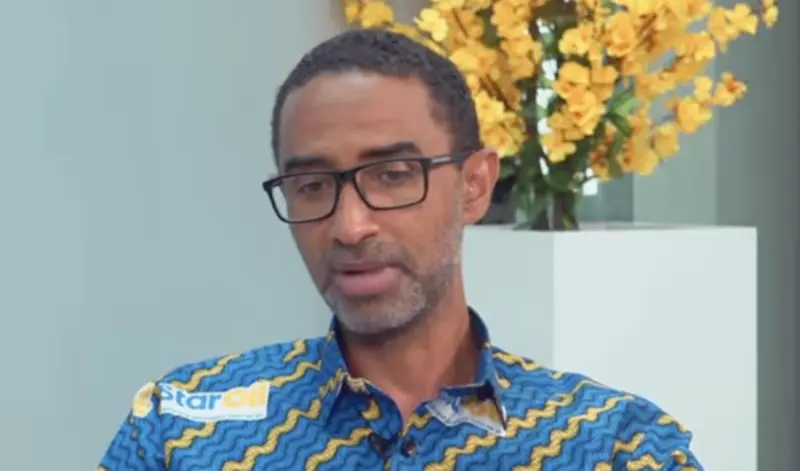
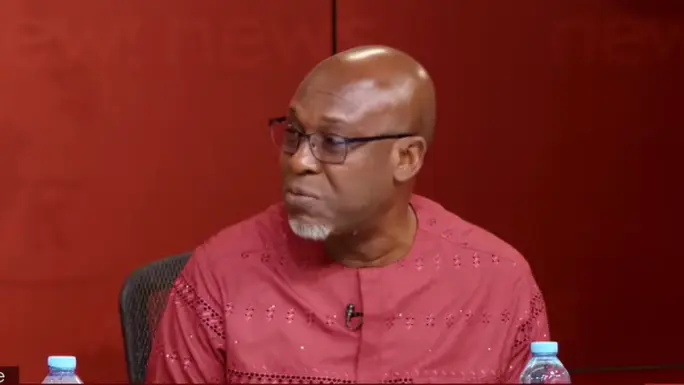
Dr Kwabena Nyarko Otoo, Deputy Secretary General of the TUC, said the country's continued reliance on IMF-style policies risked undermining sustainable economic transformation and job creation- he made the remarks on a current affairs programme monitored by the Ghana News Agency. Dr Otoo's comments come after Ghana exited the IMF-supported Extended Credit Facility programme and entered a 36-month non-financing Policy Coordination Instrument arrangement with the Fund. He said Ghana's repeated recourse to IMF support stemmed not only from external shocks but also from policy frameworks that prioritised macroeconomic stabilisation over productive sector growth. Dr Otoo noted policymakers often continued to implement IMF-style measures after programme completion, creating a cycle of dependence that failed to promote industrialisation and broad-based development.
Dr Otoo said, "The IMF leaves and may not even give us money, yet the people in our ministries and at the Bank of Ghana are so addicted to IMF policies that do not ensure production." He said the policies had contributed to an import-driven economy, limiting job creation and domestic value addition. He noted that although recent macroeconomic indicators, including improvements in foreign reserves, appeared positive, they did not necessarily reflect improvements in livelihoods. Dr Otoo said gains in external commodity prices, particularly gold, had significantly influenced the current economic outlook, while domestic initiatives such as the gold purchase programme had also helped to stabilise the economy.
Dr Otoo called for a comprehensive review of Ghana's economic strategy to reduce import dependence and enhance domestic value creation. He stressed that without such reforms, Ghana could continue to cycle in and out of IMF programmes despite periodic signs of economic recovery.
Quick Summary
The Trades Union Congress (TUC) has issued a warning regarding Ghana's economic policies. They suggest the country's reliance on certain financial strategies could have long-term consequences - but what are they?
Summary - read the full story for complete context.
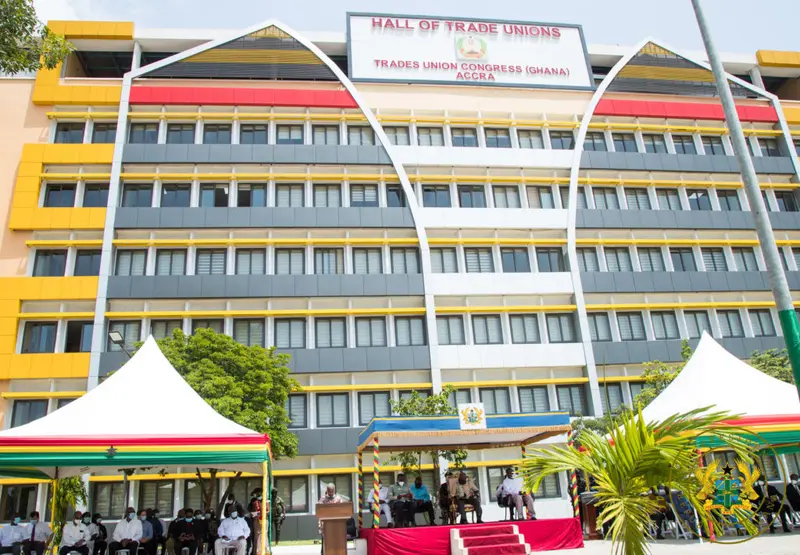
Image: MyJoyOnline
GhanaFront aggregates news from trusted sources. Click to read the original article.
More from MyJoyOnline
Related Stories
More from Business & Economy
Guidelines, regulations of cryptocurrency in Ghana fall short of comprehensive oversight - IMF
What critical gaps did the IMF find in Ghana's crypto rules before the 2026 launch?
2d ago•