KNUST to Host Ghana's 2026 World Sickle Cell Awareness Day Climax
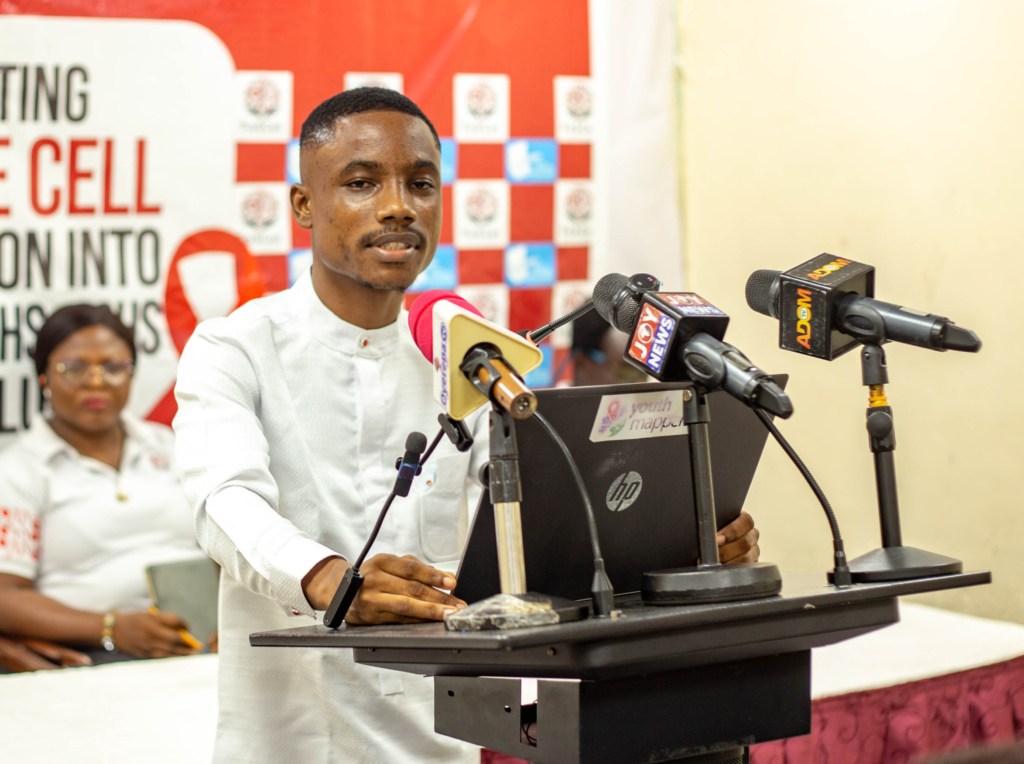
Image: GhanaFront Editorial
The Focus on Sickle Cell Foundation, widely known as FoSCeL, has announced that the national climax of World Sickle Cell Awareness Day 2026 will be held at the Great Hall of the Kwame Nkrumah University of Science and Technology in Kumasi.
The event is scheduled for Friday, June 19, 2026, and organisers say it is intended to move the national conversation on sickle cell disease from periodic awareness to sustained public action. In a statement issued on Tuesday, April 7, the foundation described the programme as a major national platform for education, advocacy and collaboration around a condition that continues to affect thousands of families across Ghana every year.
By selecting the KNUST Great Hall, FoSCeL is placing the event in one of the country’s most visible academic spaces. The foundation said the venue became available with the support of the university’s management, and its choice reflects the need to draw a broad audience into the discussion, from students and academics to health workers, policymakers and civil society actors.
FoSCeL says the June 19 programme is meant to deepen awareness, expand national dialogue and strengthen action on sickle cell disease in Ghana.
Why the Kumasi event matters
World Sickle Cell Awareness Day is marked globally each year to improve public understanding of sickle cell disease, encourage early diagnosis and promote preventive measures such as genotype testing and counselling. In Ghana, that message remains urgent.
Sickle cell disease is an inherited blood disorder that continues to place pressure on families and the health system. Health advocates have repeatedly warned that public education cannot be reduced to annual messaging alone, especially in a country where the number of children born with the condition remains high.
Available estimates indicate that between 15,000 and 18,000 babies are born with sickle cell disease in Ghana each year. That figure underlines why advocacy groups have continued to push for stronger screening systems, wider public education and informed reproductive decision-making.
FoSCeL appears determined to use the 2026 observance as more than a ceremonial date on the health calendar. The foundation said the national climax in Kumasi is being shaped as a practical call to action, with the goal of bringing institutions and communities into a more coordinated response.
The KNUST setting also carries weight beyond logistics. As one of Ghana’s leading universities, the institution offers a platform that can attract a diverse audience and help connect health advocacy to research, student engagement and public policy conversations. It is a deliberate choice, and a sensible one.
Who is expected to take part
According to FoSCeL, the event is expected to bring together a wide mix of participants. These include students, academics, healthcare professionals, policymakers, civil society organisations, media practitioners and members of the general public.
That broad invitation matters because sickle cell disease is not only a clinical issue. It is also a public education issue, a family issue, a policy issue and, in many cases, an economic issue. Patients need medical support, but they also need a society that understands the condition early enough to make informed choices about testing, counselling, diagnosis and long-term care.
FoSCeL’s approach suggests that the foundation wants the June gathering to become a meeting point for all the sectors that shape outcomes. If that ambition is matched by strong programming, the event could help build momentum for more practical interventions after the speeches are over.
- Students and academics are expected to contribute to awareness and research conversations.
- Healthcare professionals will be central to expert-led education and discussions on care.
- Policymakers and civil society groups are expected to engage on advocacy and system-level responses.
- Media representatives will help carry the public education message beyond the event venue.
- The general public remains a key audience for screening, counselling and prevention messages.
The foundation says the gathering is expected to strengthen collaboration among these groups. That is important because fragmented advocacy often leads to fragmented outcomes. A coordinated national effort stands a better chance of changing behaviour, influencing policy and improving patient support.
From awareness to prevention and care
FoSCeL says planned activities for the 2026 commemoration will include public education campaigns, expert-led discussions and stakeholder engagements. These elements point to a programme designed not just to inform but to influence, especially in areas where public knowledge gaps still shape preventable outcomes.
One of the central messages behind World Sickle Cell Awareness Day is the value of early diagnosis. Detecting the condition early can improve care and planning for affected individuals and families. Equally important is the role of genotype testing and counselling, which continue to be presented by health advocates as essential preventive tools.
In Ghana, awareness around genotype compatibility has improved over the years, but not enough. Many people still reach adulthood, relationships or marriage without a clear understanding of their genotype or the consequences of incompatible pairing. That reality keeps the need for public education firmly on the table.
FoSCeL’s framing of the 2026 event suggests that the foundation wants to push the national conversation beyond sympathy and into responsibility. That means treating awareness as a starting point, not the destination. It also means confronting the fact that prevention, counselling and care require commitment from both individuals and institutions.
Estimates cited in the announcement show that Ghana records about 15,000 to 18,000 births of babies with sickle cell disease each year.
The foundation is also using the lead-up to the event to appeal for wider backing. In its statement, FoSCeL called on government institutions, corporate organisations and development partners to support the initiative through sponsorship and collaboration.
That appeal is justified. A national health campaign of this scale requires more than goodwill. It needs resources, strategic partnerships and follow-through. Awareness events can generate headlines, but measurable impact usually depends on what happens before and after the cameras leave.
FoSCeL further encouraged partnerships with organisations already working in the sickle cell space, stressing that meaningful national impact will require a coordinated approach. That point should not be ignored. Ghana does not need scattered goodwill on sickle cell disease. It needs linked-up action.
- Expand public education on sickle cell disease and genotype awareness.
- Promote early diagnosis and preventive counselling.
- Bring key institutions into a stronger advocacy coalition.
- Encourage policy discussions that strengthen healthcare responses.
- Build sustained national attention beyond a one-day observance.
If the June 19 programme delivers on those goals, it could become one of the more meaningful public health observances on Ghana’s 2026 calendar. The burden of sickle cell disease has been known for years. What has often been missing is consistent national urgency.
The planned event at KNUST offers a chance to sharpen that urgency. It also offers a reminder that sickle cell awareness is not only about recognition. It is about prevention, better care, stronger institutions and informed decisions that can change lives.
For FoSCeL, the challenge now is clear. The announcement has set expectations. The next step is to turn that momentum into a national gathering that does more than raise concern. It must help drive action that lasts.
More from GhanaFront Editorial
Related Stories
More from Technology
150 women empowered with digital skills under African Girls Can Code Initiative, GIFEC targets 500 next year
Why are 150 women from three regions now equipped to transform their businesses and careers?
14h ago•