Green for Change Ghana calls for partnerships after winning climate adaptation award
The landscape of Ghanaian environmentalism is dotted with dedicated organizations, each striving to address the multifaceted challenges posed by climate change and environmental degradation. Many of these groups operate at the grassroots level, working directly with communities to implement sustainable practices and build resilience against environmental shocks. Their efforts often focus on promoting alternative livelihoods, restoring degraded ecosystems, and advocating for responsible resource management. These organizations frequently navigate a complex web of challenges, including limited funding, logistical constraints, and the need to balance environmental protection with the immediate economic needs of local populations.
Ghana, like many nations in West Africa, is particularly vulnerable to the impacts of climate change. Shifting weather patterns, including prolonged droughts and increased flooding, are already impacting agricultural productivity, water resources, and human health. The northern regions of Ghana, characterized by their fragile ecosystems and dependence on rain-fed agriculture, face especially acute challenges. Deforestation, driven by unsustainable logging practices and agricultural expansion, further exacerbates these vulnerabilities. The country's commitment to sustainable development is enshrined in various national policies and international agreements, but the effective implementation of these commitments requires concerted efforts from government agencies, civil society organizations, and the private sector. The promotion of renewable energy sources, such as solar and wind power, is gaining traction as a means of reducing reliance on fossil fuels and mitigating greenhouse gas emissions. Similarly, sustainable agricultural practices, such as agroforestry and conservation tillage, are being promoted to enhance food security and improve soil health.
The pursuit of sustainable development in Ghana involves a diverse range of stakeholders, each with their own interests and priorities. Government agencies are responsible for formulating and implementing environmental policies, while traditional authorities play a crucial role in managing natural resources at the local level. International development partners provide financial and technical assistance to support various environmental initiatives. Non-governmental organizations (NGOs) act as intermediaries, bridging the gap between policymakers and communities, and advocating for the rights of marginalized groups. The private sector also has a role to play, through investments in green technologies and the adoption of responsible business practices. Tensions can arise between these different stakeholders, particularly when it comes to issues such as land tenure, resource allocation, and the balance between economic development and environmental protection. Securing funding and resources for environmental projects remains a significant challenge, as competition for limited resources is fierce.
As Ghana continues to grapple with the challenges of climate change and environmental degradation, the role of local organizations in driving sustainable development becomes increasingly critical. What innovative approaches are these organizations employing to build community resilience? How are they navigating the complex web of stakeholder relationships to achieve their goals? What are the key obstacles they face in scaling up their operations and expanding their impact? And how can partnerships with donor agencies and other institutions help to unlock their full potential? These are the questions that will shape the future of environmentalism in Ghana and determine the country's ability to achieve its sustainable development goals.
Quick Summary
Green for Change Ghana (GCG), an environmental NGO, is working with communities on climate adaptation programs. The organisation is seeking partnerships to expand its operations - hinting at a broader impact.
Summary - read the full story for complete context.
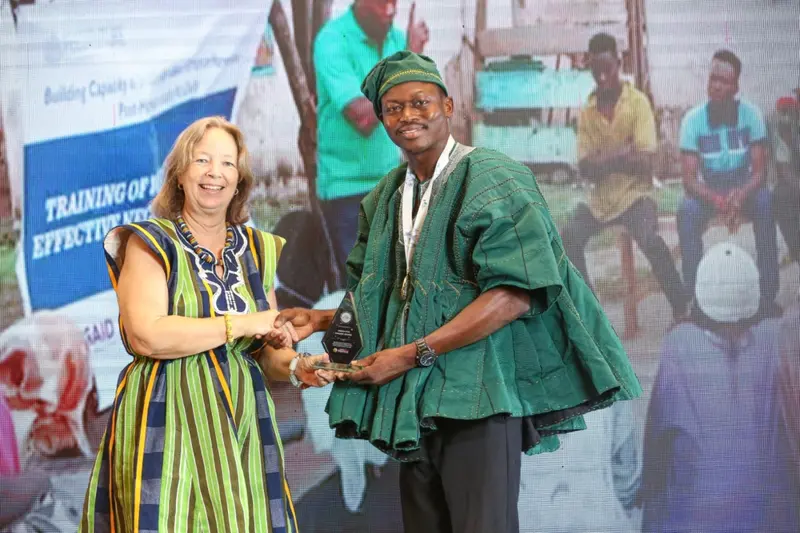
Image: MyJoyOnline
GhanaFront aggregates news from trusted sources. Click to read the original article.
Keywords
Explore related tagsMore from MyJoyOnline
Related Stories
More from Regional

Stay or fly out of Ghana: Joy FM listeners share divided views on Abeiku Santana's 'opportunities' argument
Would you stay in Ghana if offered $100,000 monthly abroad? Listeners clash over Santana's bold claim.
4d ago•