Give to Gain: Why digital inclusion for women must centre accessibility and lived experience
The conversation surrounding technology in Ghana is rapidly evolving, moving beyond mere access to a deeper consideration of inclusivity. For many Ghanaians, especially women with disabilities, the promise of a digitally connected world remains partially fulfilled. The narrative often centres on bridging the "digital divide," but the complexities extend far beyond simply providing internet access or devices. There's a growing awareness that true digital inclusion demands a fundamental shift in how technology is designed and implemented, prioritizing accessibility and reflecting the diverse lived experiences of all users. This shift is particularly crucial for marginalized groups, where existing inequalities can be amplified in the digital realm.
Ghana's tech landscape is a vibrant mix of innovation and challenges. The government has actively promoted digitalization through initiatives like the e-Transform Ghana project and the National Digital Literacy Programme. These efforts aim to equip citizens with the skills and infrastructure needed to participate in the digital economy. However, the focus has largely been on expanding access, with less attention paid to the specific needs of people with disabilities. Assistive technology, while available, is often expensive and not readily accessible, creating a significant barrier for many. Moreover, the design of digital platforms frequently overlooks accessibility considerations, rendering them unusable for individuals who rely on screen readers or other assistive tools. This gap highlights a critical need for greater collaboration between tech developers, policymakers, and disability advocacy groups to ensure that digital solutions are truly inclusive. The push for digital inclusion is not just a matter of social justice; it's also an economic imperative. By ensuring that everyone can participate fully in the digital economy, Ghana can unlock the potential of its entire population and drive sustainable growth.
Several key players are involved in shaping the future of digital inclusion in Ghana. The Ministry of Communications and Digitalisation plays a crucial role in setting policy and driving national initiatives. Organizations like the Ghana Blind Union advocate for the rights of people with visual impairments and provide essential support services. Tech companies, both local and international, have the power to design and develop accessible digital solutions. However, tensions often arise between the desire for rapid technological advancement and the need to prioritize inclusivity. There are concerns that the voices of marginalized groups are not always adequately represented in decision-making processes. What's at stake is the very fabric of Ghana's digital society. If digital platforms remain inaccessible, a significant portion of the population will be left behind, exacerbating existing inequalities and hindering the country's progress towards a more equitable future.
As Ghana continues its digital transformation, several open questions remain. Will policymakers prioritize accessibility in their digital strategies and allocate resources to support assistive technology? Will tech companies embrace inclusive design principles and actively engage with disability communities? Will educational institutions adapt their curricula and teaching methods to accommodate the needs of students with disabilities? The answers to these questions will determine whether Ghana can truly achieve digital inclusion for all its citizens, particularly women with disabilities. The ongoing conversation underscores the need for a more nuanced understanding of the digital divide, one that goes beyond mere access and addresses the deeper issues of accessibility, affordability, and representation.
Quick Summary
A Ghanaian woman recounts how assistive technology helped her reclaim independence after losing her sight. She highlights the hidden barriers in the digital world - hinting at the need for more inclusive digital spaces.
Summary - read the full story for complete context.
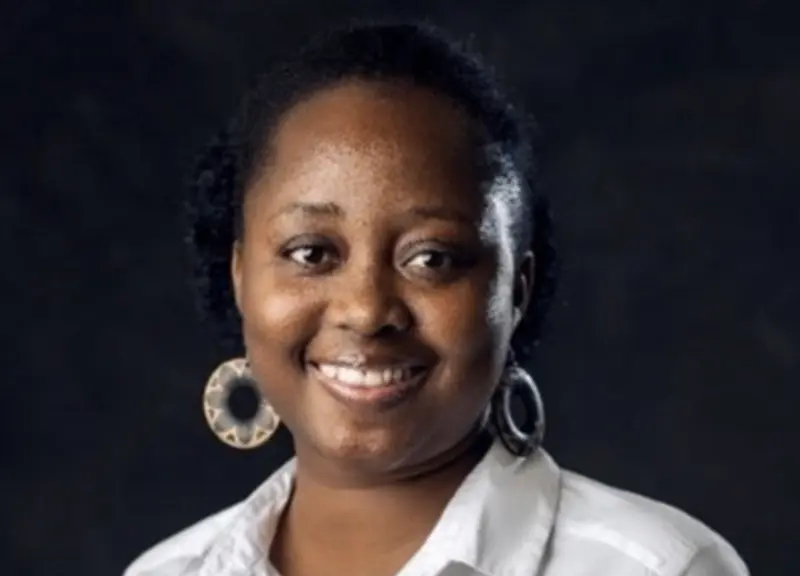
Image: MyJoyOnline
GhanaFront aggregates news from trusted sources. Click to read the original article.
Keywords
Explore related tagsMore from MyJoyOnline
Related Stories
More from Technology
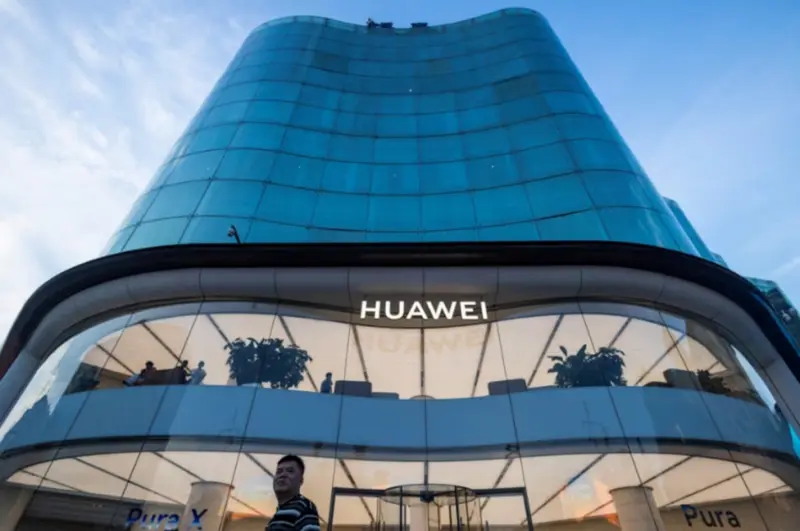
Trump administration to lend $100 million to telecoms firm Africell, countering Huawei in Africa
A major U.S. loan targets Africa's telecom market - but what does it mean for Huawei's dominance?
1d ago•