Ghana's Free Visa for Africans: What the Policy Actually Means, According to the Foreign Affairs Minister
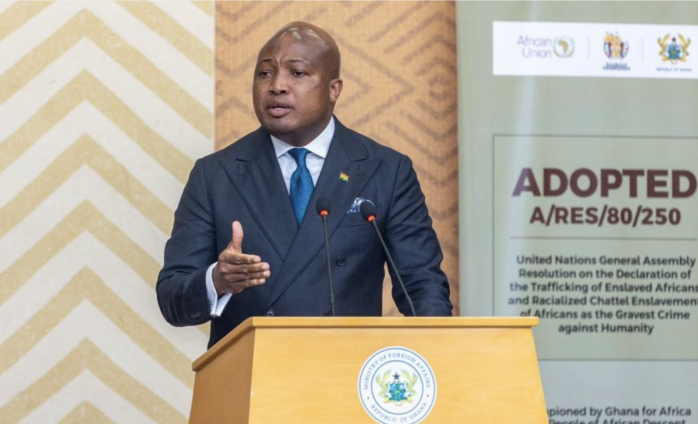
Image: GhanaFront Editorial
Ghana's Foreign Affairs Minister Samuel Okudzeto Ablakwa has stepped forward to set the record straight on what the country's upcoming free visa policy for African travellers actually means -- and what it does not.
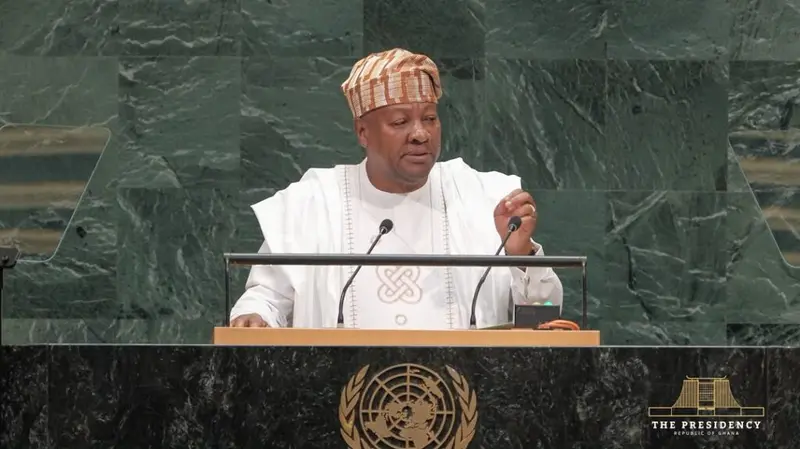
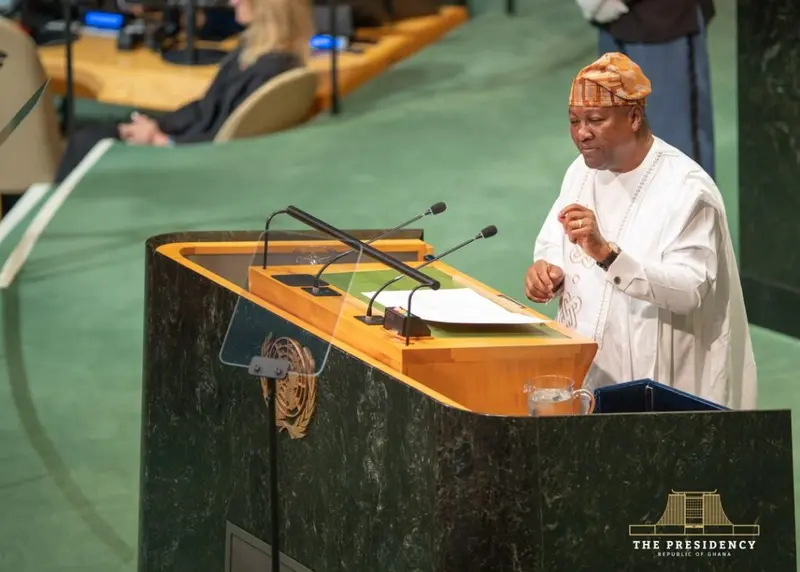
Taking to his official X (formerly Twitter) account, the minister addressed what he described as widespread misconceptions circulating since President John Dramani Mahama unveiled the initiative. The policy, scheduled to come into force on Africa Day -- May 25, 2026 -- will eliminate visa fees for citizens travelling from other African countries to Ghana. But Ablakwa was emphatic: no fees does not mean no scrutiny.
What "Free" Actually Means
At the heart of the minister's clarification is a clear distinction between cost and process. Under the new framework, African applicants will no longer be required to pay any visa application fees -- a significant departure from the current system. However, they will still need to formally apply for a visa, and their applications will go through the same vetting procedures applied to travellers from other parts of the world.
"All applicants including Africans will have to apply for visas," Ablakwa stated. "The only difference is that their applications will be processed free of charge."
The minister was unequivocal that the policy does not create an open-border arrangement or guarantee automatic admission. Individuals flagged during background screening -- including those with criminal histories -- will be turned away.
"There shall be no automatic and unvetted entries," Ablakwa stressed, making clear that national security remains the government's top priority.
A New Digital Infrastructure for Immigration
The free visa initiative is not a standalone policy change. It forms part of a wider overhaul of Ghana's immigration infrastructure, centred on a new electronic visa (e-visa) platform set to launch next month. The e-visa system will become the sole channel through which all visa applications -- from Africans and non-Africans alike -- are processed.
What distinguishes the new system is its integration with Ghana's Advance Passenger Information and Passenger Name Record (API-PNR) infrastructure, alongside international crime databases. This connectivity will allow consular officers to conduct thorough background checks on all applicants before any entry is granted.
"The novel e-visa system shall allow our officers to check the background of applicants and provide appropriate vetting to ensure Ghana's security is not compromised," the minister explained in his post.
The Ministries of Foreign Affairs, Interior, and Transport have collectively made significant financial and operational investments to bring this architecture online. Ablakwa described the resulting system as "robust and technologically advanced," capable of supporting both the digital visa platform and the broader free visa rollout simultaneously.
Why the Previous Attempt Failed
This is not the first time Ghana has announced a free visa policy for Africans. In 2024, then-President Nana Akufo-Addo made a similar pledge -- but it never materialised. Ablakwa acknowledged this history directly, attributing the earlier failure to the absence of the operational and security frameworks needed to implement it responsibly.
"For clarity, though former President Nana Akufo-Addo announced a Free Visa for Africans policy in 2024, that could not commence because the mechanisms and security safeguards had not yet been put in place," the minister's post read.
The current administration, he argued, has resolved those gaps. The upcoming e-visa platform and the security infrastructure underpinning it represent the groundwork that was missing under the previous government -- making this iteration of the policy, in his view, viable in a way the last was not.
Continental Context: From Bilateral Talks to Pan-African Vision
The free visa announcement did not emerge in isolation. It followed a bilateral meeting between President Mahama and Zimbabwean President Emmerson Mnangagwa on the sidelines of an African Union summit -- placing it firmly within a broader continental agenda of easing movement across African borders.
Africa Day on May 25 was chosen deliberately as the launch date, a symbolic nod to the policy's Pan-African aspirations. The date marks the founding of the Organisation of African Unity in 1963 -- the predecessor to the African Union -- and has long been associated with calls for greater integration across the continent.
- The policy eliminates visa fees for all African citizens applying to visit Ghana
- All applicants must still complete a formal application through the new e-visa portal
- Background checks will be conducted via API-PNR and international crime databases
- Persons with criminal records or deemed security risks will be denied entry
- The e-visa system launches next month ahead of the Africa Day effective date
- Investments across three ministries underpin the new digital infrastructure
Managing Public Expectations
The minister's intervention reflects a broader challenge governments face when announcing headline-grabbing policies -- managing the gap between how a policy sounds and how it actually operates. In Ghana's social media landscape, the initial announcement quickly generated speculation about unrestricted movement across borders, prompting Ablakwa's detailed response.
His clarification sought to balance two competing messages: that Ghana is genuinely opening its doors wider to fellow Africans, while reassuring citizens that the government is not compromising on security in the process.
For prospective visitors from the continent, the practical takeaway is clear: plan to apply through the e-visa platform when it launches, expect the same documentation and vetting requirements that currently apply -- just without the fee. For Ghanaians anxious about what the policy means for border control, the minister's message was equally direct: the infrastructure is in place, and the screening standards are not being lowered.
Ghana's Africa Day deadline gives the immigration authorities roughly seven weeks to have the e-visa system fully operational. Whether the rollout proceeds on schedule will be watched closely -- both by African travellers eager to make use of the new arrangement and by those who remember that a similar promise was made, and missed, not long ago.
More from GhanaFront Editorial
Related Stories
More from Technology

Ghana to review all public-sector AI acquisitions under new directive
New rules could reshape how state agencies adopt AI - but what will they mean for vendors and sovereignty?
1d ago•2 min read