Ghana's Free Visa for Africans Explained: No Fees, But Screening Still Applies, Says Ablakwa
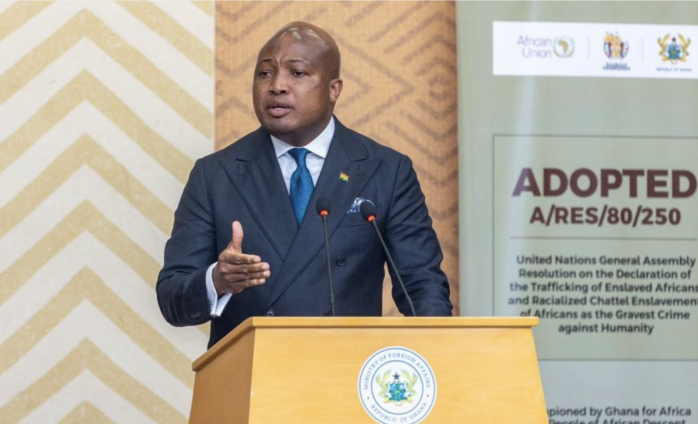
Image: GhanaFront Editorial
Ghana's Foreign Affairs Minister Samuel Okudzeto Ablakwa has moved to correct what he called widespread public misconceptions surrounding the country's new free visa policy for African travellers, making clear that waiving fees does not mean scrapping security checks.
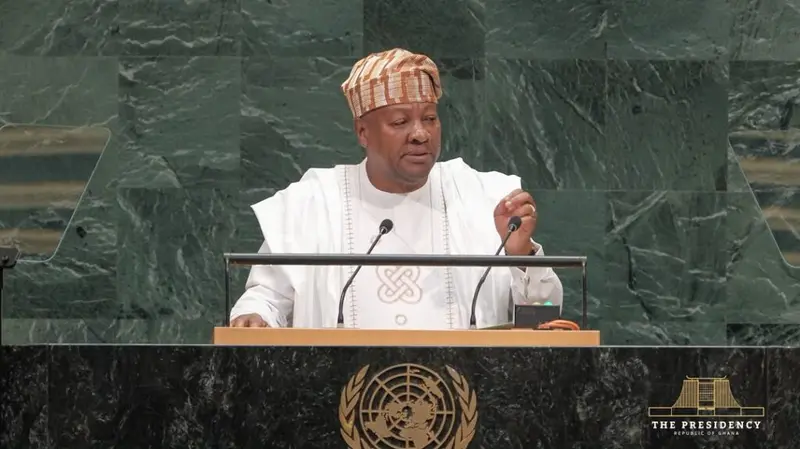
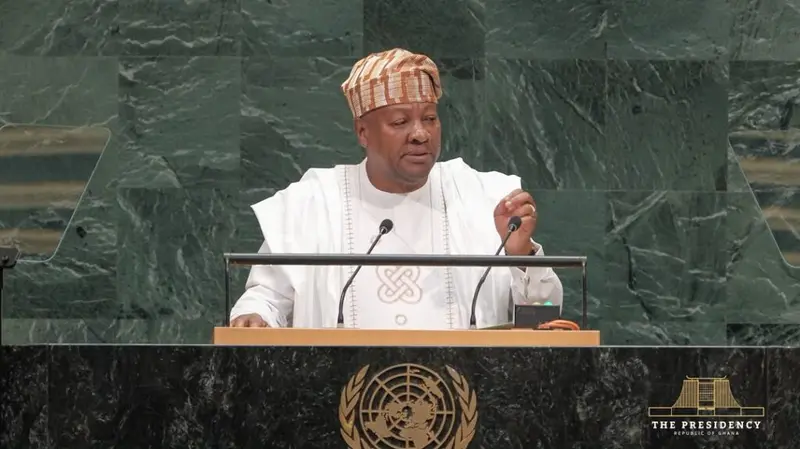
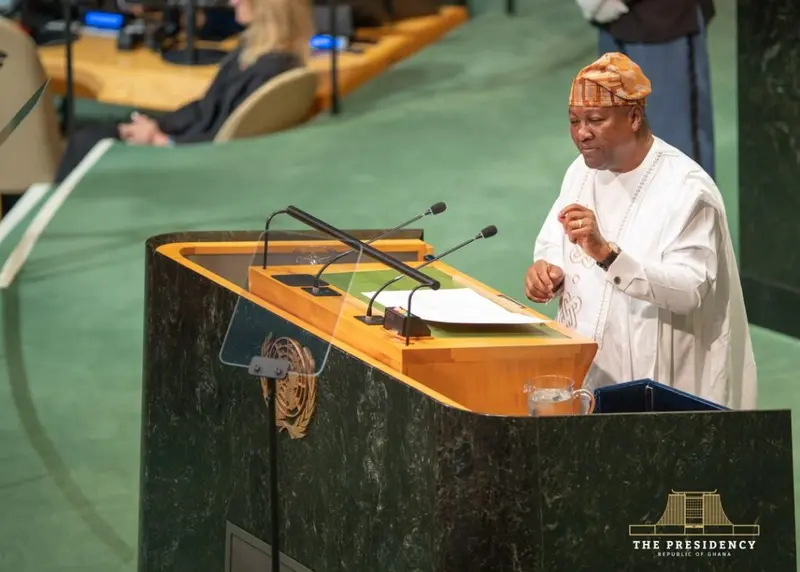
The clarification, issued through a post on social media platform X, came days after President John Mahama announced that Ghanaian visas would be granted at no cost to citizens of African nations starting from Africa Day -- May 25, 2026. While the announcement was welcomed across the continent as a gesture of pan-African solidarity, it also sparked questions about what "free" would actually mean in practice.
Free of Charge, Not Free of Process
Minister Ablakwa was emphatic on one critical distinction: removing the visa fee is not the same as removing the visa requirement.
"All applicants including Africans will have to apply for visas," he stated, adding that the sole change is that their applications will be processed without any associated fees.
This means African travellers seeking entry into Ghana must still complete a formal application, submit supporting documentation, and pass through the same vetting procedures that apply to visitors from other regions. The application will be submitted via a new electronic visa (e-visa) platform, which the government plans to launch next month as the sole official channel for all visa requests into Ghana.
"Africans will not pay visa fees. Not paying visa fees does not mean you will not go through visa screening. Africans will still have to go through a visa application process." -- Foreign Affairs Minister Samuel Okudzeto Ablakwa, April 3, 2026
A New Digital Architecture for Immigration
At the centre of this policy rollout is a major overhaul of Ghana's immigration infrastructure. The government is not simply waiving fees -- it is simultaneously launching a technologically advanced system designed to process applications more efficiently while tightening border security.
The new e-visa platform will be integrated with Ghana's API-PNR framework -- the Advance Passenger Information and Passenger Name Record system -- as well as international criminal databases. This integration is intended to give consular officers the tools to conduct thorough background checks on applicants before any entry is approved.
Minister Ablakwa described the system as capable of providing "appropriate vetting to ensure Ghana's security is not compromised." He noted that significant capital has been committed by three government ministries -- Foreign Affairs, Interior, and Transport -- to build what he called a "robust and technologically advanced architecture" to underpin both the e-visa platform and the free visa initiative.
- The e-visa system will be the exclusive application channel for all visa categories entering Ghana
- API-PNR integration enables pre-screening of travellers before they board flights
- Cross-referencing with international crime databases adds a further layer of security
- The infrastructure is backed by coordinated investment across three ministries
No Automatic Entry -- Security Remains the Priority
Perhaps the most important point the Minister sought to drive home was that the policy carries no provision for automatic or unvetted admission. Those with criminal backgrounds, or individuals assessed as posing a security risk, will face refusal regardless of their continental origin.
"There shall be no automatic and unvetted entries," Ablakwa stated plainly.
This position appears to directly address concerns raised in some quarters that the policy could create gaps in Ghana's border control, potentially enabling irregular migration or entry by individuals with criminal histories. The Minister's statement signals that the government is determined to balance its pan-African aspirations with its obligations to national security.
"The novel e-visa system shall allow our officers to check the background of applicants and provide appropriate vetting to ensure Ghana's security is not compromised." -- Ablakwa
Learning from 2024 -- Why This Time Is Different
The current initiative is not the first time a Ghanaian administration has announced free visas for African citizens. Former President Nana Akufo-Addo made a similar declaration in 2024, but the policy never moved beyond the announcement stage.
According to Minister Ablakwa, the reason was straightforward: the security and operational systems needed to safely implement the policy had not been put in place. Without those safeguards, proceeding with the plan would have left Ghana exposed.
The current government, Ablakwa indicated, has now addressed those shortfalls. The e-visa platform, the API-PNR integration, and the broader digital immigration infrastructure represent the foundational work that was missing in 2024 -- the difference, he suggested, between an announcement and an actual reform.
This framing serves a dual purpose: it distinguishes the Mahama administration's approach from its predecessor's while also signalling to the public and international partners that the rollout has been grounded in careful preparation rather than political optics.
Continental Context and Diplomatic Roots
The free visa policy did not emerge in isolation. It was unveiled in the context of growing momentum around intra-African mobility and was formally announced following bilateral discussions between President Mahama and Zimbabwean President Emmerson Mnangagwa on the sidelines of an African Union summit.
That diplomatic backdrop adds weight to the initiative, positioning it as part of Ghana's broader commitment to the ideals of African unity and the free movement frameworks championed by the African Union. Ghana has historically positioned itself as a continental hub -- through the Joseph Project, the Right of Abode policy, and the Year of Return -- and this policy fits within that longer arc.
With Africa Day 2026 set as the launch date, Ghana is giving itself roughly seven weeks to bring the e-visa system online, communicate procedures to prospective applicants across the continent, and ensure its consular offices are equipped to handle the expected increase in applications.
Whether the rollout proceeds without friction will depend on whether the digital infrastructure performs as promised -- and whether the policy's messaging continues to balance openness with the reassurance that Ghana's borders remain managed and secure.
More from GhanaFront Editorial
Related Stories
More from Technology

The man who saw tomorrow: How Dr Bawumia built for Ghana what America and Nigeria are building today
America and Nigeria are unveiling tech Ghana already has - what did Bawumia create first?
2d ago•