Ghana Young Academy marks International Day of Women and Girls in Science
The Ghana Young Academy (GhYA), a collective of some of the nation's brightest young minds across various disciplines, recently convened a virtual gathering. This event drew together a diverse group, including seasoned scientists, educators shaping future generations, eager students embarking on their academic journeys, and policymakers responsible for shaping the nation's educational and research landscape. The central theme revolved around the critical role certain individuals play in scientific research and the persistent need to address imbalances within the science, technology, engineering, and mathematics (STEM) fields.
Ghana's journey in STEM education and gender equity is a complex one. Historically, like many nations, Ghana has faced challenges in ensuring equal representation and opportunities for all genders in scientific pursuits. Traditional societal norms and biases have often steered girls away from STEM fields, reinforcing the misconception that these areas are primarily suited for men. However, there's been a growing recognition of the immense potential that remains untapped when a significant portion of the population is underrepresented in these crucial sectors. Ghana's development agenda, heavily reliant on technological advancement and innovation, necessitates a diverse and inclusive STEM workforce. Government initiatives, alongside the efforts of organizations like the GhYA, are actively working to dismantle these barriers and create a more equitable landscape. This includes promoting STEM education in schools, providing scholarships and mentorship programs for girls, and raising awareness about the importance of gender diversity in science. The push for greater inclusion isn't just about fairness; it's about unlocking the full potential of Ghana's human capital to drive economic growth and address pressing national challenges.
Several key players are deeply invested in shaping the future of STEM in Ghana. The Ghana Education Service (GES), through its National STEM Resource Unit, plays a pivotal role in curriculum development and teacher training, aiming to instill a passion for science in young minds from an early age. Academic institutions, such as the University of Ghana, the University of Energy and Natural Resources, and Cape Coast Technical University, are crucial in providing higher education and research opportunities in STEM fields. Research institutions like the CSIR-Soil Research Institute and the CSIR-Water Research Institute contribute significantly to scientific knowledge and innovation, addressing critical challenges in agriculture, water management, and environmental sustainability. Organizations like the GhYA serve as a platform for young scientists to collaborate, network, and advocate for policies that promote scientific excellence and inclusivity. The stakes are high because Ghana's ability to compete in the global economy and achieve its sustainable development goals hinges on its capacity to cultivate a strong and diverse STEM workforce. Tensions can arise from competing priorities, limited resources, and the need to balance traditional values with the demands of a rapidly changing world.
Several questions remain as Ghana strives for greater gender equity in STEM. How can the nation effectively challenge deeply ingrained societal biases that discourage girls from pursuing scientific careers? What innovative strategies can be implemented to improve access to quality STEM education in underserved communities? How can mentorship programs be strengthened to provide guidance and support for women navigating the challenges of the scientific profession? What policies can be enacted to ensure equal opportunities for funding, leadership positions, and recognition for women in science? And, ultimately, how can Ghana create a truly inclusive scientific community where all individuals, regardless of gender, can thrive and contribute to the nation's progress?
Quick Summary
The Ghana Young Academy (GhYA) held a virtual event to mark the International Day of Women and Girls in Science-addressing gender gaps in STEM. Discussions centered on the contributions of women and ways to improve gender equity in science-but challenges persist.
Summary - read the full story for complete context.
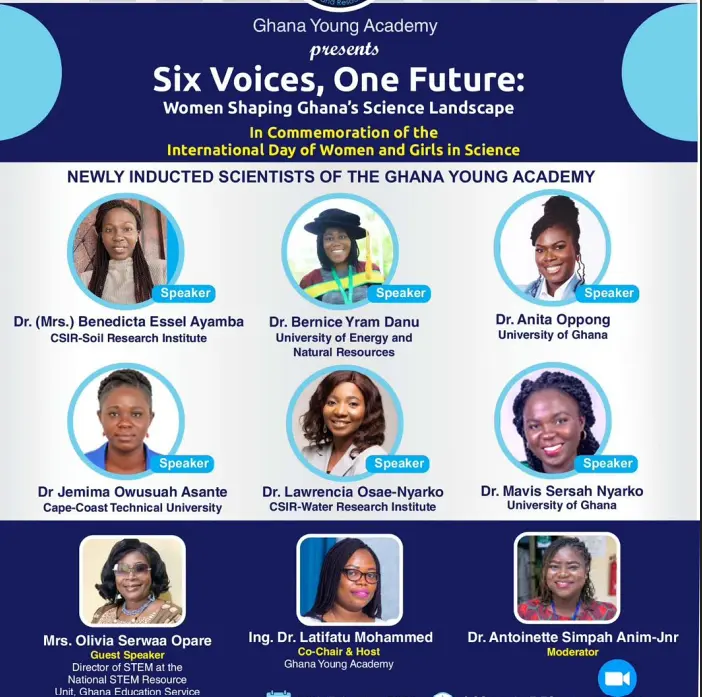
Image: MyJoyOnline
GhanaFront aggregates news from trusted sources. Click to read the original article.
Keywords
Explore related tagsMore from MyJoyOnline
Related Stories
More from Education

Aggrieved teachers demand payment of unpaid four-year legacy arrears
Teachers who waited years for pay from 2012-2015 now look to President Mahama with a familiar promise.
1d ago•2 min read